8 Best Farm Animals for Small Backyards in the U.S. (Beginner-Friendly Guide
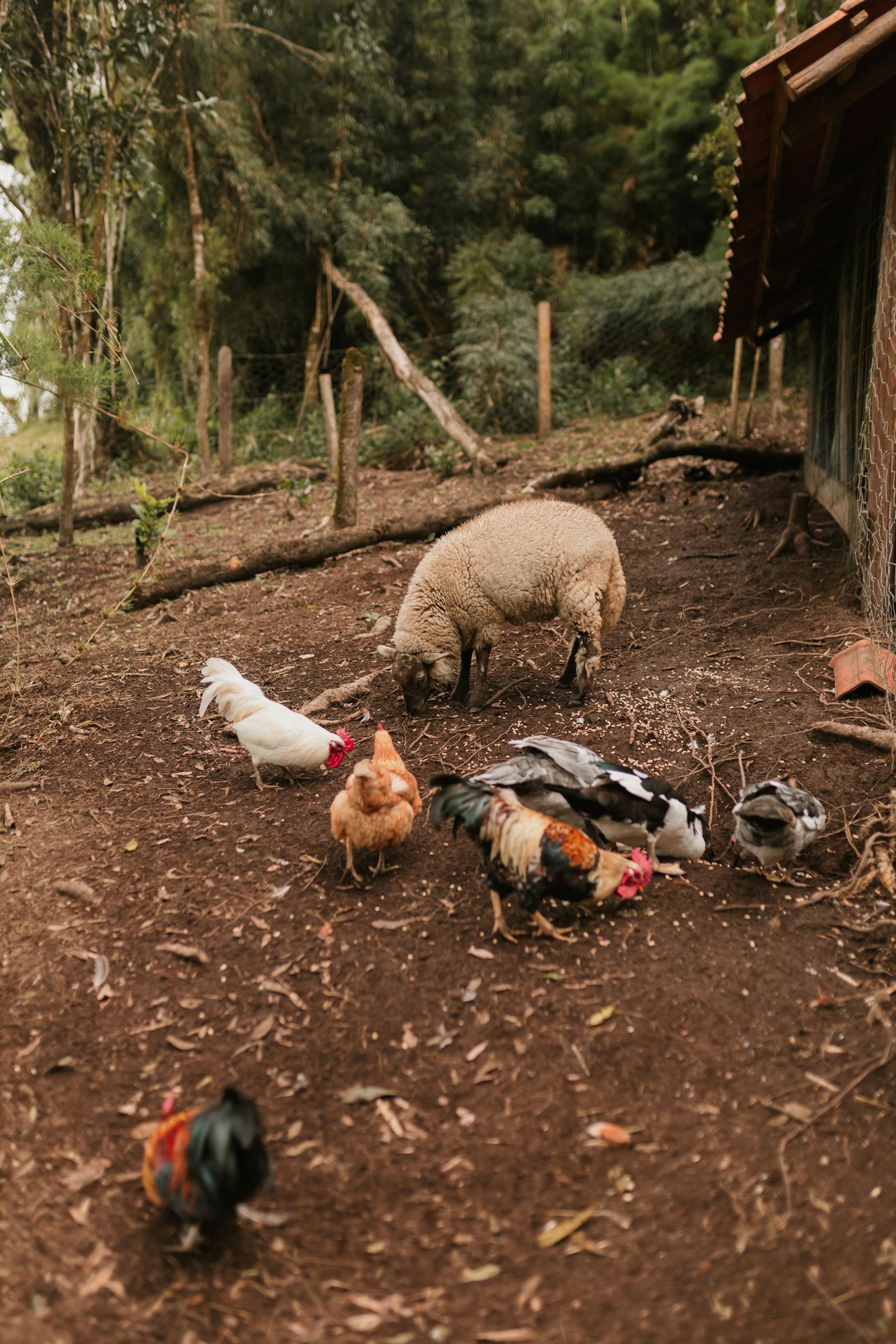
If you’ve been dreaming about fresh eggs, goat milk, or a more self-sufficient lifestyle—but only have a small yard—you’re not alone. Many U.S. homeowners assume they need acres of land to raise animals. In reality, the best farm animals for small backyards are specifically suited for limited space and beginner-friendly setups.
Backyard farming is rapidly growing across suburban and small-town America. More families are choosing to raise small livestock for healthier food, hands-on learning for kids, and a deeper connection to their food source. The best part? You don’t need a barn or large pasture to get started. With proper planning, the right animals, and an understanding of local zoning laws, small backyard farming in the U.S. is both practical and rewarding.
In this guide, you’ll discover the best animals for small backyards, what to consider before getting started, and how to choose the right livestock for your space.
Table of Contents
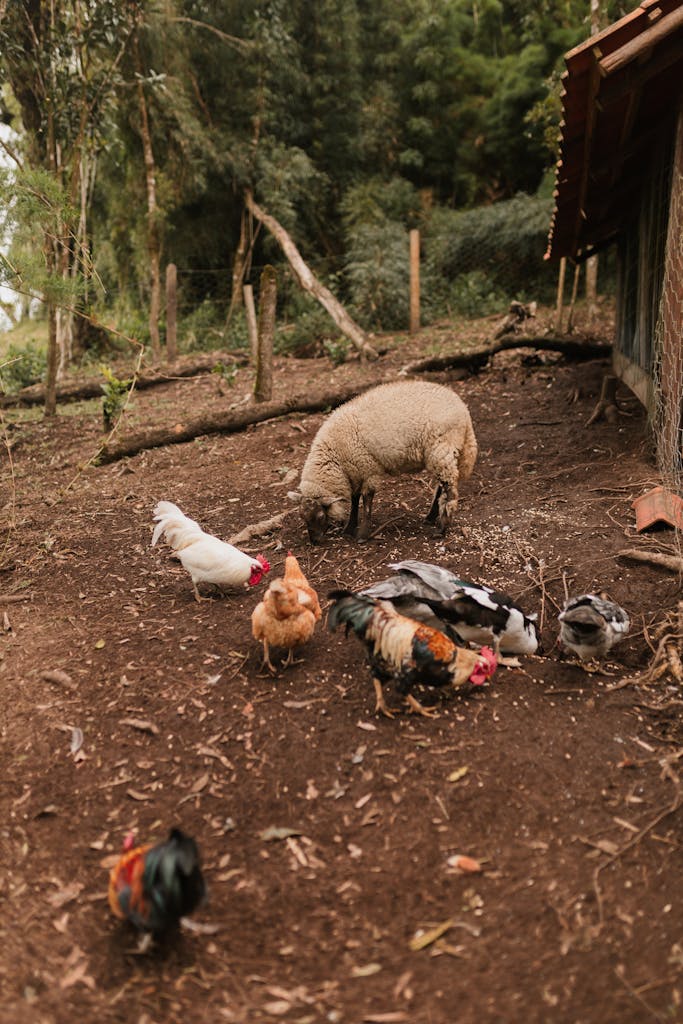
What Makes an Animal Suitable for a Small Backyard?
Not every animal thrives in a limited space. Before bringing livestock home, it’s important to look beyond excitement and evaluate the practical realities of raising farm animals in a small backyard. The right choice will save you time, money, and potential frustration.
Space Requirements
Small backyards demand smart space management. Every animal needs enough room to move freely, access shelter, and stay clean. Overcrowding can quickly lead to stress, disease, and even conflicts with neighbors.
For example:
- Chickens require both a secure coop and an outdoor run
- Goats need sturdy fencing and space to roam and exercise
- Rabbits can live in hutches but still need ventilation and protection from heat
Before choosing any animal, ask yourself:
- Can I provide adequate square footage per animal?
- Is there space for storing feed and supplies?
- Do I have a system for waste management and cleaning?
Efficient space planning is the foundation of successful small backyard farming in the U.S.
Noise Level
Noise is one of the most overlooked challenges in suburban homesteading. Even if animals are allowed, excessive noise can quickly create tension with neighbors.
- Hens are generally quiet, aside from occasional egg-laying sounds
- Roosters are loud and often prohibited in residential areas
- Goats can bleat frequently, especially when hungry or bored
- Ducks vary by breed but are often noisier than expected
- Quail are one of the quietest and most discreet options
If your backyard shares close boundaries, choosing low-noise farm animals is essential for long-term success.
Local Zoning Laws and Regulations
In the U.S., backyard livestock laws vary significantly by city, county, and neighborhood. What’s allowed in one area may be completely restricted in another.
Before getting started, make sure to:
- Check local city or county ordinances
- Review HOA (Homeowners Association) rules, if applicable
- Confirm permit requirements and animal limits
For example, some areas allow a limited number of hens but ban goats or larger livestock entirely. Understanding these rules ensures your backyard farming setup stays legal and stress-free.
Ease of Care (Beginner-Friendly Animals)
If you’re new to backyard farming, start with animals that are hardy and easy to manage. Beginner-friendly livestock typically require simple diets, basic housing, and minimal veterinary care.
Avoid animals that:
- Need constant medical attention
- Require specialized feeding or climate control
- Are highly sensitive to environmental changes
Choosing low-maintenance farm animals for small backyards will make your experience smoother and more enjoyable.
Climate Adaptability
Your local climate plays a major role in animal selection. Not all animals tolerate extreme heat, cold, or humidity equally.
- Chickens are adaptable but need shade in hot climates
- Rabbits are sensitive to heat and require cooling strategies
- Goats handle a variety of climates but still need shelter
- Ducks prefer access to water and can handle cooler conditions
Make sure your animals are suited to your region to ensure their health and productivity.
Family-Friendliness and Safety
For many households, backyard farming is a family activity. Choosing animals with a calm and predictable temperament is especially important if children are involved.
Look for animals that are:
- Gentle and easy to handle
- Comfortable around people
- Safe under supervision
Animals like chickens and rabbits are often ideal for families, while goats require more supervision and handling experience.
Cost and Ongoing Maintenance
Many beginners underestimate the ongoing cost of raising animals. Beyond the initial setup, you’ll need to budget for feed, bedding, healthcare, and repairs.
Consider:
- Daily feed costs
- Housing and fencing expenses
- Veterinary care
- Time commitment for cleaning and maintenance
Sustainable backyard livestock management requires both time and financial planning.
Family-Friendliness and Safety
For many households, backyard farming is a family activity. Choosing animals with a calm and predictable temperament is especially important if children are involved.
Look for animals that are:
- Gentle and easy to handle
- Comfortable around people
- Safe under supervision
Animals like chickens and rabbits are often ideal for families, while goats require more supervision and handling experience.
Best Farm Animals for Small Backyards
1. Chickens (The Most Popular Choice)
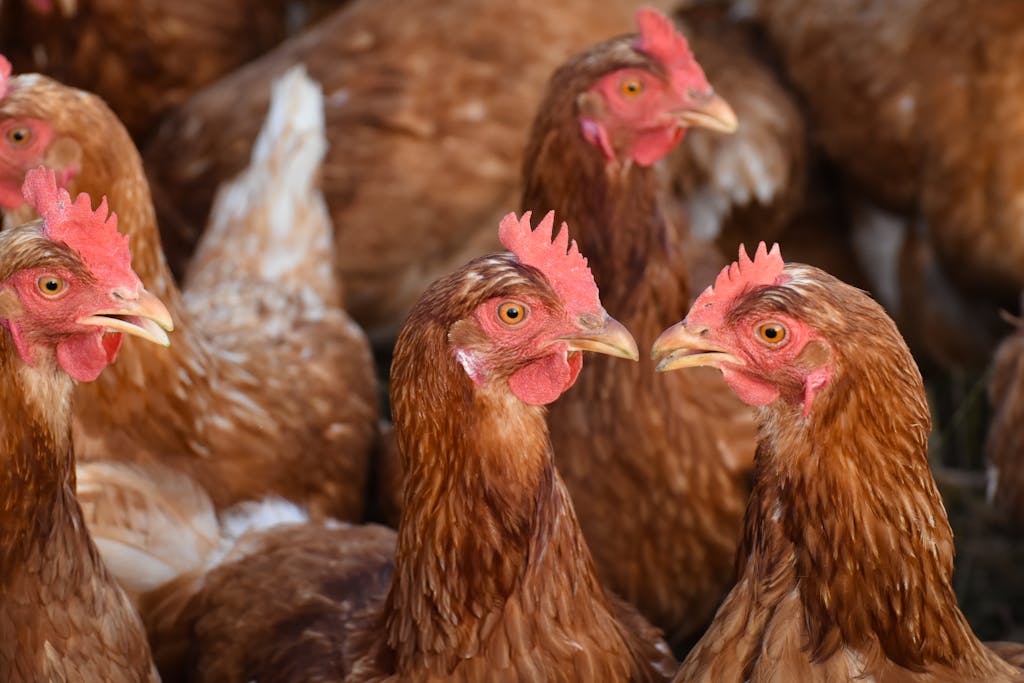
Chickens are widely considered the best farm animals for small backyards in the U.S. thanks to their low maintenance, steady egg production, and adaptability to limited space. For beginners, a small flock of 3–6 hens is usually ideal and can comfortably thrive in a well-designed coop and run.
Space Needed
- Coop space: 2–4 sq ft per bird
- Outdoor run: 8–10 sq ft per bird
If your yard allows, giving chickens extra roaming space (free-range time) improves their health and egg quality. However, even in compact setups, chickens do very well with proper design and cleanliness.
Egg Production and Benefits
One of the biggest advantages of raising chickens is the consistent supply of fresh eggs. Depending on the breed and season, a healthy hen can lay 4–6 eggs per week.
Additional benefits include:
- Natural pest control (they eat insects, ticks, and weeds)
- High-quality manure for composting and gardening
- Reduced food waste (chickens can eat many kitchen scraps)
This makes chickens a practical choice for anyone interested in sustainable backyard farming.
Best Chicken Breeds for Small Backyards
Not all chickens are the same. Some breeds are better suited for small spaces and beginner care:
- Rhode Island Red – Hardy, excellent egg layers
- Plymouth Rock – Friendly and adaptable
- Australorp – Quiet and highly productive
- Orpington – Calm, docile, and great for families
Choosing the right breed can make a big difference in your backyard chicken-keeping experience.
Pros
- Fresh eggs almost daily
- Beginner-friendly and easy to care for
- Excellent for pest control
- Produce compost-friendly manure
- Generally safe and interactive for kids
Cons
- Require strong predator protection (dogs, raccoons, hawks)
- Coops need regular cleaning to prevent odor
- Roosters are usually not allowed in suburban areas due to noise
- Egg production may drop in winter without proper care
Housing and Setup Tips
A proper setup is essential for healthy chickens in a small backyard:
- Use a well-ventilated coop with nesting boxes
- Install secure fencing or hardware cloth to prevent predators
- Keep food and water elevated to maintain hygiene
- Clean the coop weekly to control smell and bacteria
For beginners, understanding proper housing and coop design is critical. Resources like raising backyard chickens provide detailed guidance on coop size, ventilation, and flock management.
Legal Considerations in the U.S.
Regulations can vary widely depending on your city, county, or HOA, and may dictate the maximum number of animals allowed, setback distances, required permits, and restrictions on certain species. For detailed guidance, check your local laws for keeping chickens or goats or you can read this guide.
Why Chickens Are Perfect for Beginners
Chickens are forgiving, resilient, and relatively low-cost compared to other livestock. They tolerate minor mistakes, adapt to different climates, and require simple daily care—making them one of the easiest farm animals for beginners with small backyards.
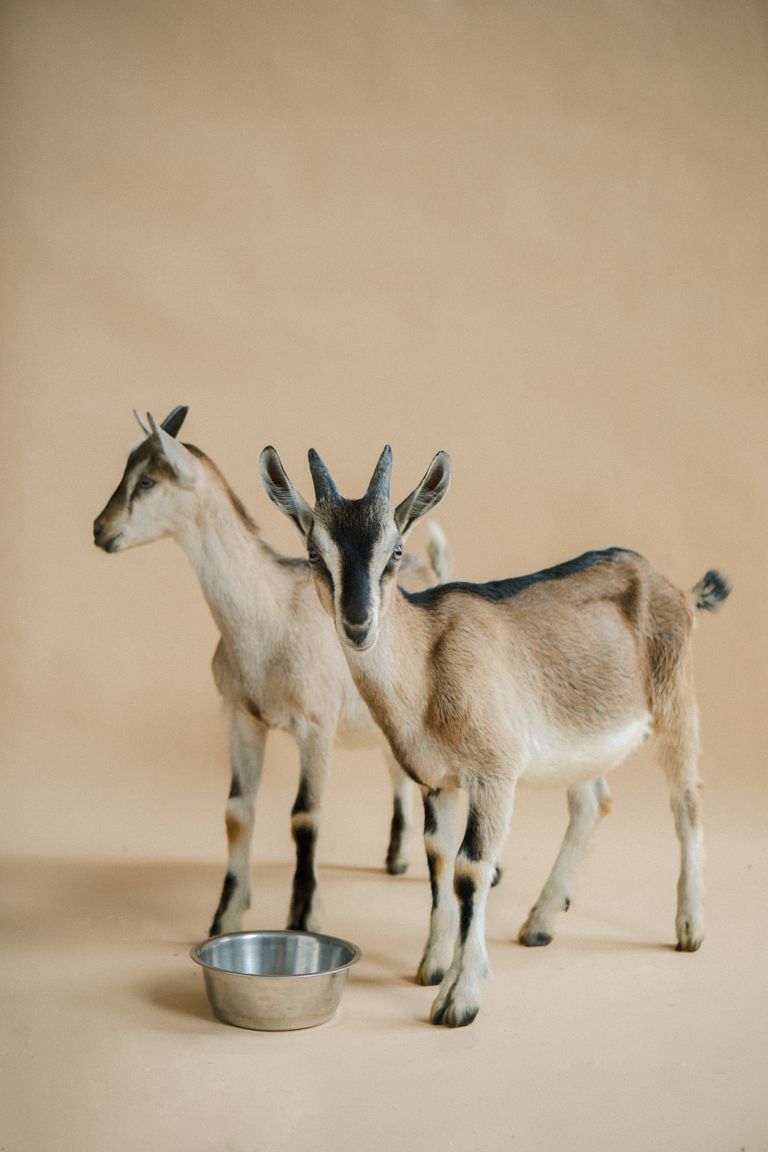
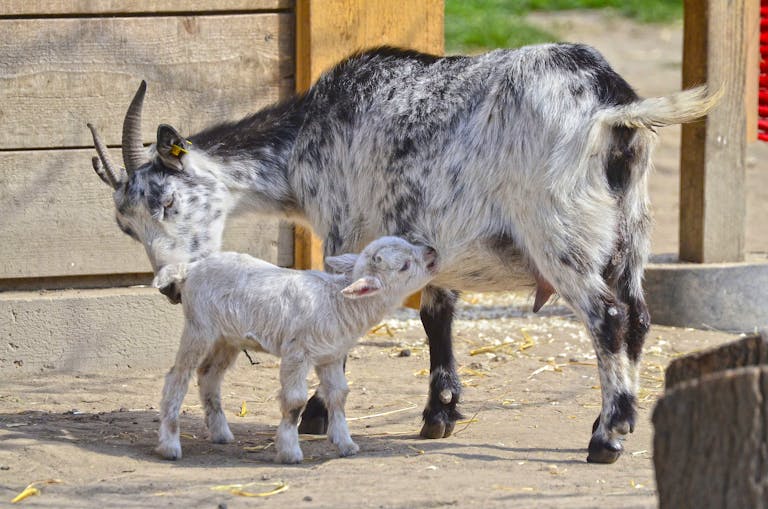
2. Mini Goats (Best Small Goats for Backyards)
Mini goats are among the best farm animals for small backyards if you want personality, companionship, and even milk production in a limited space. Compared to full-size goats, they require less room, eat less feed, and are easier to handle—making them ideal for beginner backyard farming in the U.S.
However, goats are social, active animals that require proper fencing, daily care, and attention.
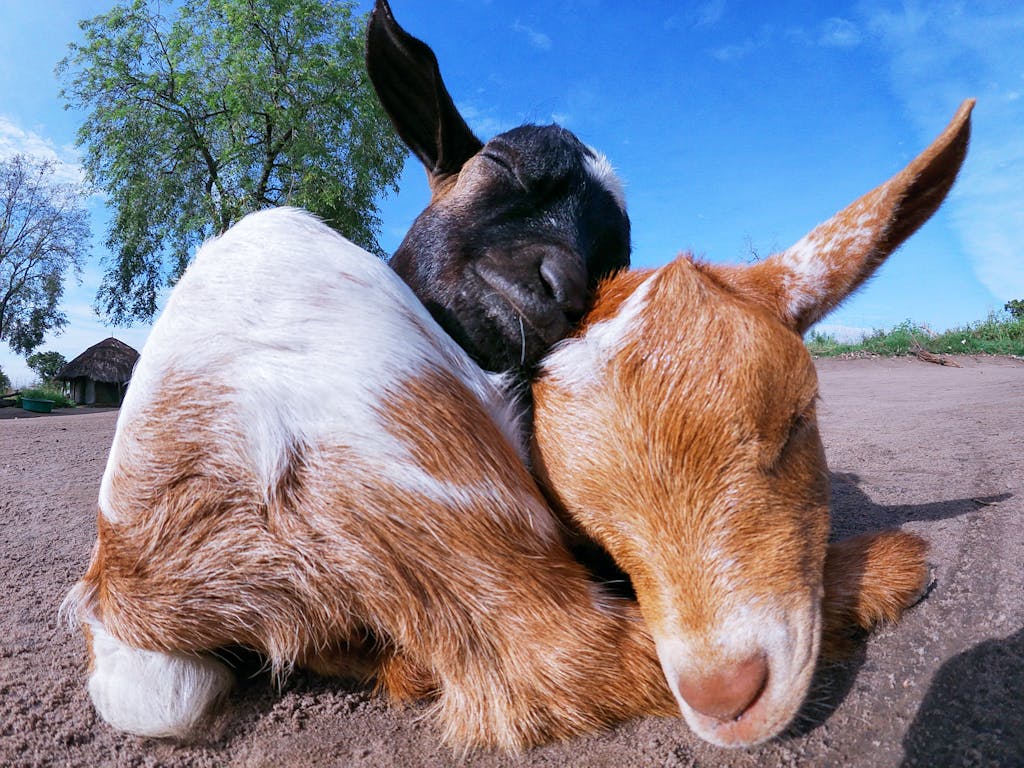
Nigerian Dwarf Goats (Best for Milk Production)
Nigerian dwarf goats are one of the most popular choices for small backyard livestock, especially for homeowners interested in fresh milk. Despite their small size, they produce high-quality milk with rich butterfat content, ideal for cheese, butter, and soap.
Space Needed
- Around 200–250 sq ft per goat
- Secure fencing (at least 4–5 feet high)
Pros
- Small, manageable size
- Friendly and social temperament
- Excellent milk production for their size
- Adapt well to small backyard setups
Cons
- Must be kept in pairs (they get lonely alone)
- Require strong, escape-proof fencing
- Daily feeding and milking routine needed
👉 These goats are perfect if you want a balance of productivity and small-space farming. If you want to learn more about them and how to get them then you can read our guide : Everything about Nigerian Dwarf goats
Pygmy Goats (Best as Pets and Companions)
Pygmy goats are commonly raised as companion animals rather than for milk. They are hardy, playful, and well-suited for families looking for friendly backyard animals.
Space Needed
- Similar to Nigerian dwarfs (200+ sq ft per goat)
Pros
- Great with kids and families
- Small and easy to handle
- Highly social and entertaining
- Adapt well to different climates
Cons
- Not ideal for milk production
- Can be noisy at times
- Very escape-prone without proper fencing
👉 Pygmy goats are best for those who want pet-like farm animals rather than productivity. If are looking for a pygmy goat and confused where to start from then this is the guide that will help you.
Other Mini Goat Breeds to Consider
If you’re exploring small goat breeds for backyard farming, here are a few additional options:
Mini Nubian Goats: A cross between Nigerian Dwarf and Nubian goats, Mini Nubians offer moderate milk production with a calm temperament. They are slightly larger but still suitable for small spaces.
Kinder Goats: Kinder goats are known for being dual-purpose (milk and meat). They are quiet, productive, and adaptable, making them a solid option for small homesteads.
Pygora Goats: These goats are bred for fiber production (soft fleece) rather than milk. They are ideal if you’re interested in spinning wool or sustainable fiber projects.
Important Considerations for Raising Goats in Small Backyards
Before choosing goats, keep these key factors in mind:
- Fencing is critical: Goats are natural escape artists
- Companionship is required: Never keep a single goat
- Diet management: They need hay, minerals, and controlled feeding (not just grass)
- Shelter: Protection from rain, heat, and cold is essential
Goats are more demanding than chickens or rabbits, but they can be incredibly rewarding for those committed to proper care.
Are Mini Goats Right for You?
Mini goats are a great choice if you:
- Want milk or interactive animals
- Have enough space and time for daily care
- Can invest in proper fencing and shelter
They may not be ideal if you want a low-maintenance backyard animal, as goats require more attention than most small livestock. If you are still not sure which goat fits your small backyard? Our Mini Goat for Small Farms and Backyards guide will definitely help you choose the right breed for your space
4. Rabbits
Rabbits are an excellent choice for small backyards, particularly in HOA-restricted neighborhoods, because they are extremely quiet and very space-efficient. They can comfortably live in hutches or pens and even thrive indoors if necessary, making them suitable for suburban living. Their manure is rich in nutrients and makes excellent natural fertilizer, which supports sustainable gardening. Rabbits are social animals and enjoy companionship, so consider keeping at least two together to prevent loneliness.
Care requirements are straightforward but important: they need a clean, ventilated, and shaded hutch, fresh water daily, and a balanced diet of hay, fresh greens, and pellets. Rabbits are sensitive to heat and cold, so shelters should provide adequate protection from extreme temperatures. Additionally, predator-proof housing is essential, as rabbits are vulnerable to dogs, cats, raccoons, and hawks. Breeds like the Mini Rex, Holland Lop, and New Zealand White are particularly popular for beginners because of their gentle temperament, manageable size, and adaptability to small spaces. With proper care, rabbits can be a rewarding addition to a backyard homestead, offering both companionship and garden benefits.
5. Ducks
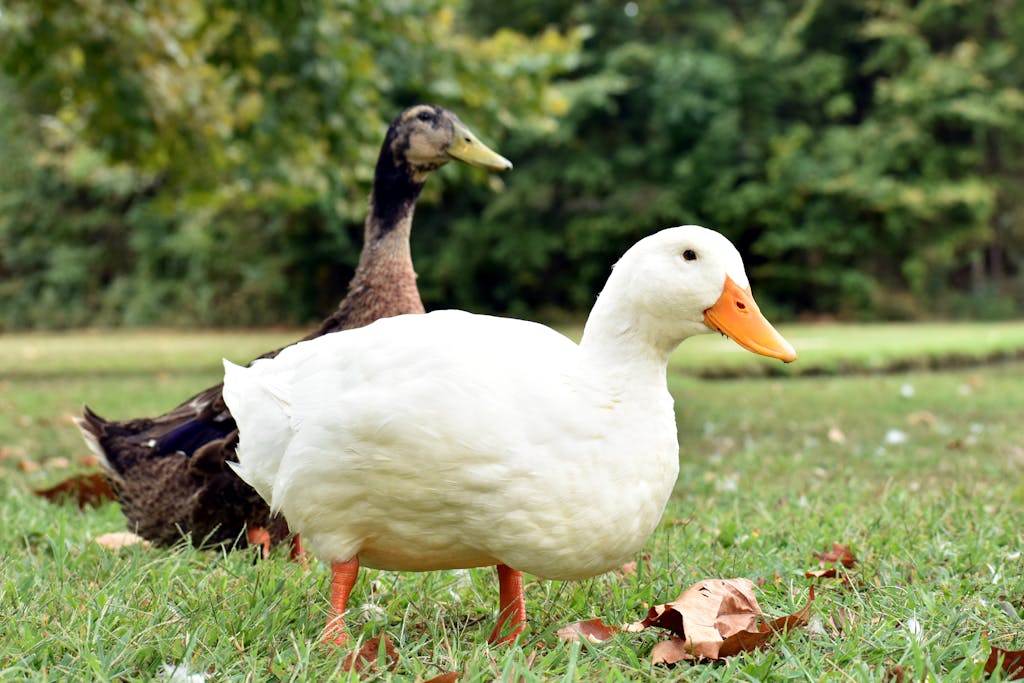
Ducks are hardy, adaptable birds that thrive in backyard environments and are excellent egg layers. They are particularly suited for homeowners who want a productive yet low-maintenance backyard flock. Ducks not only provide fresh eggs but also act as natural pest controllers, eating slugs, insects, and weeds, which can help maintain a healthy garden ecosystem. They are generally resilient to cold weather but require access to water for bathing, swimming, or even a small pond, which is essential for their feather maintenance and overall health.
Ducks are usually calm but can be messier than chickens due to their love of water. Their pens should have proper drainage and bedding to manage moisture and reduce odor. Popular beginner-friendly breeds include Khaki Campbell for high egg production, Pekin for dual-purpose meat and eggs, and Indian Runner for an active, entertaining flock. Ducks are generally social and enjoy companionship, so keeping at least three together ensures they remain happy and healthy. With proper care, ducks can add variety to a backyard flock, providing both eggs and natural garden maintenance.
6. Quail
Quail are among the most efficient backyard farm animals, perfect for homeowners with very limited space. They require very little room compared to chickens or ducks, making them ideal for small yards, enclosed patios, or even balcony setups. Quail are generally quiet, fast-maturing, and prolific egg layers, often producing eggs within 6–8 weeks of hatching. Their compact size allows for high-density housing without crowding, which is perfect for beginners or urban homesteaders.
Quail care is simple: provide a secure cage with proper ventilation, clean bedding, fresh water, and a diet of quality game bird feed supplemented with fresh greens or insects. Popular species for backyard farming include Bobwhite Quail for eggs and game, and Coturnix Quail for fast growth and quick egg production. While quail eggs are smaller than chicken eggs, they are prized for their delicate flavor and nutritional benefits. One limitation is their shorter lifespan, typically 2–3 years, but their rapid egg-laying and minimal space requirements make them a practical, low-maintenance choice for anyone wanting a productive backyard flock.
7. Mini Pigs
Mini pigs can be an interesting addition to a small backyard for those looking for intelligent, interactive animals. They are highly trainable and can form strong bonds with family members, often behaving more like pets than traditional farm livestock. Many mini pigs enjoy learning tricks, responding to commands, and even using litter boxes, making them surprisingly manageable for homeowners who are committed to proper care.
However, keeping mini pigs in a small backyard requires careful planning. They are natural rooters and can dig up lawns or garden beds if not properly contained. Strong, secure fencing is essential to prevent escape, and their enclosures should include shaded areas and shelter from rain and extreme temperatures. Despite being called “mini,” some pigs grow larger than advertised, so it’s important to research breeds thoroughly and understand adult size before bringing one home.
Legal restrictions also apply in many U.S. neighborhoods, so check local ordinances, zoning laws, and HOA regulations before adding a mini pig to your backyard. Their diet should include commercial pig feed, fresh vegetables, and occasional fruits, along with constant access to clean water. While they are not low-maintenance, mini pigs offer social interaction, unique personality, and a memorable backyard experience for families willing to invest the time and effort.
8. Bees (Backyard Beekeeping for Beginners)
Bees are an increasingly popular choice for small backyards, offering honey production, pollination benefits, and environmental impact all in one. Unlike most livestock, bees require very little space, making them perfect for compact yards, rooftop gardens, or even community plots. Backyard beekeeping not only provides fresh, natural honey but also supports your garden by improving pollination for flowers, fruits, and vegetables.
Why Bees Are Beginner-Friendly:
While bees may seem intimidating at first, they are relatively low-maintenance once you understand their behavior. A single hive typically houses 20,000–60,000 bees, but they are gentle and rarely aggressive when handled properly. Bees are eco-friendly, produce minimal noise, and take up only a small footprint, which makes them suitable for suburban backyards.
Space and Placement:
- Place hives in a sunny, sheltered spot away from heavy foot traffic.
- Ensure easy access for inspection and honey harvesting.
- Keep hives elevated slightly to prevent moisture and pests.
Pros:
- Fresh honey for personal use or small-scale sale
- Improves garden pollination and yields
- Minimal space requirements
- Quiet and eco-friendly backyard livestock
Cons:
- Requires learning basic beekeeping skills
- Seasonal maintenance (spring/summer hive checks)
- Local regulations may limit beekeeping in some areas
Tips for Success:
- Start with one hive and expand gradually as you gain experience.
- Invest in protective gear (suit, gloves, veil) to prevent stings.
- Learn about local bee-friendly plants to provide natural forage.
- Check city ordinances or HOA rules before placing hives.
Backyard bees are perfect for homeowners who want productive, low-footprint animals and are willing to invest a small amount of time in learning. Not only do they provide delicious honey, but they also contribute to environmental sustainability and a healthier backyard ecosystem. With proper planning and care, beekeeping can become one of the most rewarding and unique additions to a small backyard farm.
Best Farm Animals for Small Backyards with Kids
When children are involved, selecting livestock requires consideration of both safety and manageability rather than simply “friendliness.” Chickens, particularly calm breeds such as Orpingtons, Plymouth Rocks, or Australorps, can be handled safely under supervision. Hens generally tolerate gentle interaction, but roosters are aggressive and often prohibited in suburban areas, creating a risk if included. Rabbits, small and quiet, pose minimal risk if housed properly, though their fragility means rough handling by children can lead to injury for both child and animal.
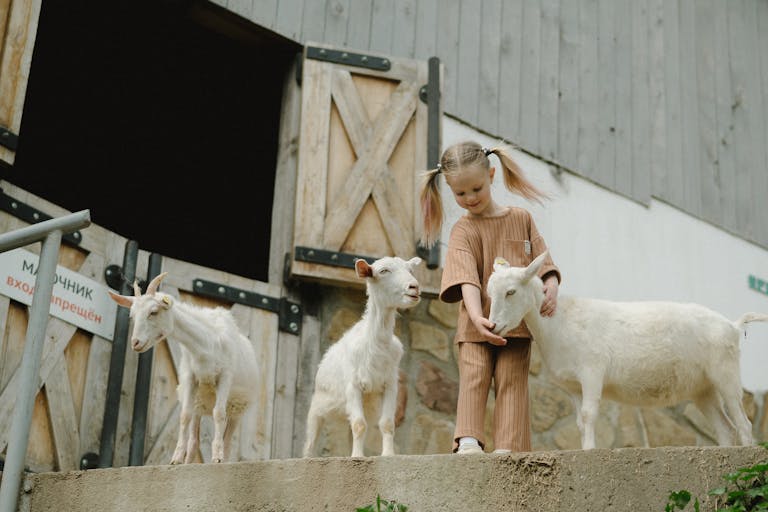
Mini goats, including Pygmy and Nigerian Dwarf breeds, are frequently labeled as kid-friendly, but they require strict supervision. Their social and curious nature makes them prone to jumping, head-butting, or escaping enclosures, which can lead to injury or property damage. Proper fencing and structured interaction are essential; assumptions that size alone guarantees safety are misleading. Mini pigs can bond with families, but their rooting behavior and unpredictably large adult size make them unsuitable for unsupervised children.
Supervision remains the critical factor across all species. Tasks such as feeding, egg collection, or cleaning should be age-appropriate and monitored. Handwashing and basic hygiene are necessary to mitigate zoonotic risks, particularly from goats, pigs, or poultry, which can carry pathogens transmissible to humans. The presence of children does not inherently increase the suitability of an animal; suitability is determined by a combination of temperament, space, enclosure security, and adult oversight.
Animals to Avoid in Small Backyards
Not all farm animals are suitable for limited spaces, and choosing the wrong species can lead to property damage, animal stress, or legal issues. Certain animals require land, specialized care, or produce excessive noise, making them poor choices for small backyard settings.
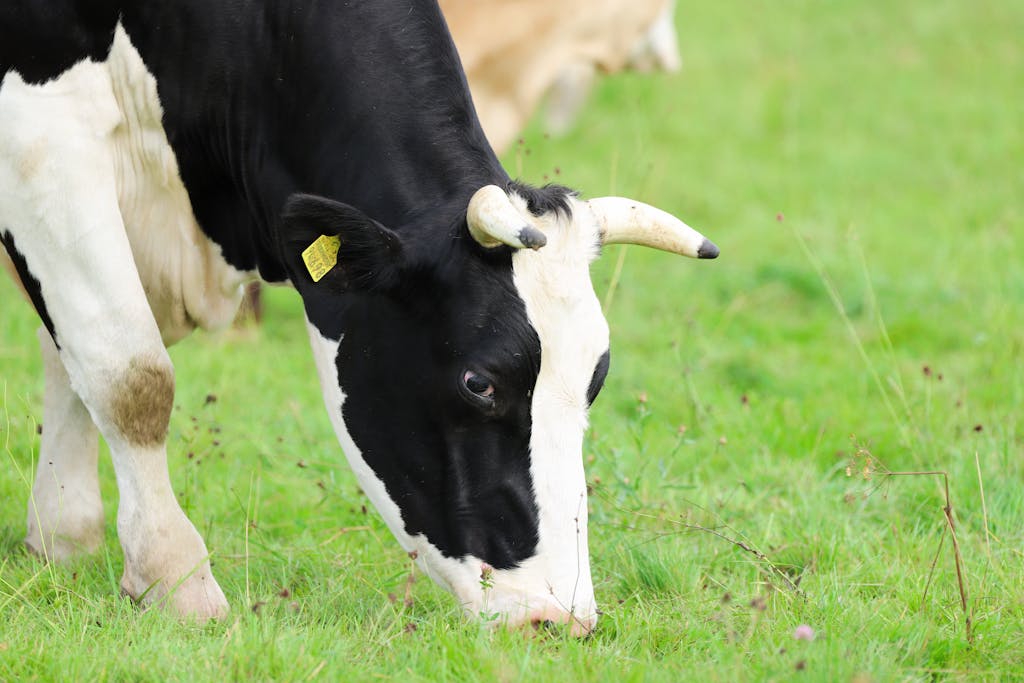
- Cows are widely recognized as unsuitable for small yards because they need significant pasture space to graze and maintain health. Even miniature breeds require more room than most suburban backyards can provide. Attempting to house cows in compact areas can lead to malnutrition, behavioral issues, and soil degradation due to overgrazing.
- Horses are another species that should be avoided in small backyards. They require extensive land for exercise, proper hoof care, shelter, and daily feeding. Horses also produce large volumes of waste, which can be challenging to manage in tight spaces. Without ample acreage and time for regular care, keeping a horse can quickly become unmanageable and unsafe.
- Full-size pigs are destructive in limited spaces. Their natural rooting behavior can damage lawns, gardens, and structures, and they grow larger than many owners anticipate. Maintaining full-size pigs in small yards often leads to containment issues, increased feed costs, and potential legal conflicts with neighbors or local ordinances.
- Roosters should be avoided in suburban backyards, as they are noisy and often prohibited by city laws or HOA rules. Even a single rooster can generate disruptive crowing throughout the day, creating conflicts with neighbors and potential fines. If you want chickens in a small backyard, stick to hens only, which are quieter and more manageable.
In general, large livestock and aggressive or noisy animals are not recommended for compact backyard environments. Choosing the right species involves balancing space, care requirements, noise tolerance, and local regulations. By avoiding cows, horses, full-size pigs, and roosters, small backyard farmers can focus on species that thrive in limited spaces, ensuring animal welfare, neighbor harmony, and a sustainable backyard homestead.
Zoning and Legal Considerations in the USA
Before starting backyard homesteading, it’s essential to understand local zoning and legal requirements. Regulations can vary widely depending on your city, county, or HOA, and may dictate the maximum number of animals allowed, setback distances from property lines, required permits, and restrictions on certain species. Confirming these rules in advance helps prevent fines, ensures neighbor compliance, and allows you to plan a backyard farm that meets both legal and safety standards.
Quick Comparison Table of Small Backyard Animals
To help beginners quickly assess which animals are best suited for a small backyard, here’s a side-by-side comparison of space requirements, noise levels, and beginner-friendliness:
| Animal | Space Needed | Noise Level | Beginner Friendly |
|---|---|---|---|
| Chickens | Small coop + run | Low (hens) | Very High |
| Nigerian Dwarf Goats | Small fenced yard | Moderate | High |
| Pygmy Goats | Small fenced yard | Moderate | High |
| Rabbits | Very small | Very low | Very High |
| Ducks | Coop + water area | Low–Moderate | High |
| Quail | Compact cages | Very low | Very High |
| Mini Pigs | Secure yard | Moderate | Moderate |
| Bees | Minimal | Very low | Moderate |
This table provides a quick reference for small backyard farmers. It highlights animals that require limited space, are manageable for beginners, and generate minimal noise—key factors for urban and suburban homesteads. For example, chickens, rabbits, and quail are highly beginner-friendly and quiet, while mini pigs and goats require more oversight despite their smaller size. Bees occupy minimal space but require basic management skills and seasonal attention.
Conclusion
Starting a small backyard farm can be both rewarding and manageable when you choose the right animals and plan carefully. Chickens, mini goats, rabbits, ducks, quail, mini pigs, and bees each offer unique benefits, but their suitability depends on your available space, local zoning laws, noise tolerance, and ability to provide proper care. Families with children should prioritize gentle, manageable animals and always supervise interactions to ensure safety for both kids and livestock.
Equally important is knowing which animals to avoid—such as cows, horses, full-size pigs, and roosters—because they require more space, produce excessive noise, or are restricted by local regulations. Confirm your city, county, or HOA rules before introducing any livestock to prevent legal issues and ensure a harmonious backyard environment.
By carefully evaluating space requirements, care needs, and beginner-friendliness, small backyard farmers can create a thriving, productive homestead that provides fresh eggs, milk, honey, and educational experiences. With proper planning and realistic expectations, even a modest backyard can support a variety of livestock, making backyard farming a sustainable and fulfilling hobby for homeowners across the U.S.