Goats Guide for Beginners
There’s nothing quite like walking out to the barn in the morning and being greeted by a chorus of bleats from a herd that’s actually happy to see you. Goats are the heart of the modern small farm—they’re funny, they’re productive, and they’ve got more personality in one hoof than most cows have in their whole body. Whether you are looking for a sustainable milk source or a natural way to manage overgrown brush, these animals provide a level of utility that few other livestock can match on a small acreage.
But let’s be real: goats can also be a handful. If you aren’t prepared, they’ll eat your prize roses, headbutt your shins, and find that one loose board in the fence you forgot to nail down. From managing parasite loads to understanding the nuances of social hierarchies within a herd, there is a steep but rewarding learning curve to becoming a successful “goat person.” This guide is here to help you skip the “rookie mistakes” and get straight to the good stuff—giving you the practical, barn-tested advice you need to build a healthy, happy herd from day one.
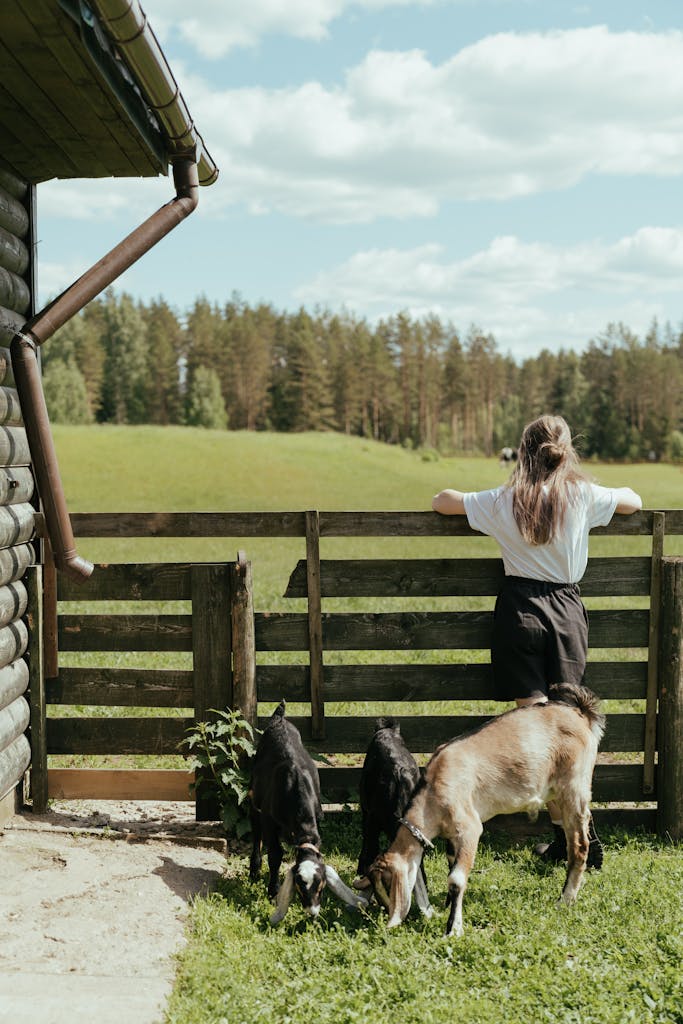
Define Your “Why” Before You Buy
Don’t just buy the first cute kid you see on social media; that’s a fast track to “buyer’s remorse” once the fence-jumping begins. You need to decide exactly what job these goats are going to perform on your land to ensure you aren’t trying to milk a meat goat or shear a dairy breed. Successful homesteading in 2026 is all about efficiency, and matching the breed’s natural temperament and production levels to your daily schedule will save you hours of frustration in the barn.
- The Dairy Path: You want fresh milk, creamy cheese, or maybe some homemade soap. (Think Nigerian Dwarfs for high butterfat or Nubians for volume).
- The “Lawnmower” Path: You’ve got a briar patch that needs clearing and you just want some low-maintenance buddies. (Think Pygmy Goats or Spanish Goats).
- The Fiber Path: You’re a crafter who wants to spin your own yarn and harvest high-end fleeces. (Think Angoras or Pygoras).
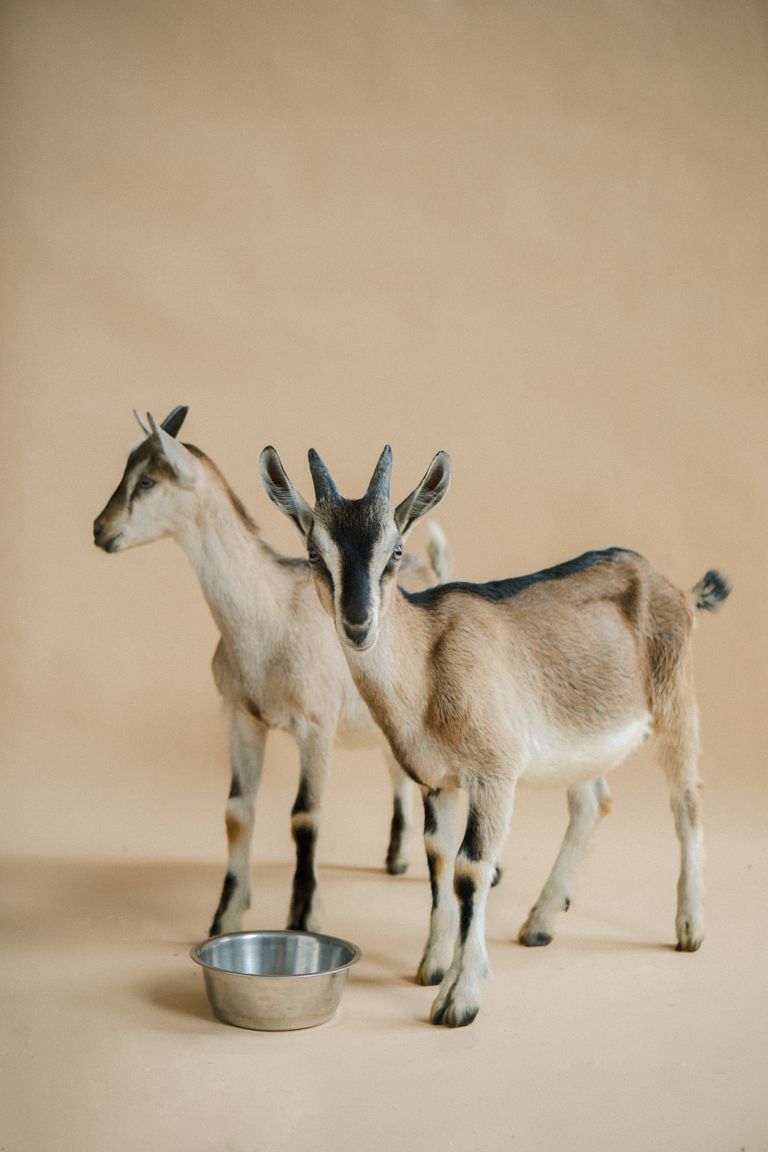
Farmer’s Tip: Whatever you choose, buy at least two. Goats are intensely social herd animals; a lone goat is a stressed, miserable goat, and a stressed goat is a loud, escaping nightmare that won’t stop crying until it finds a friend (or your kitchen window).
Goat Fencing: If It Can’t Hold Water, It Can’t Hold a Goat
The old saying goes: “If you throw a bucket of water at a fence and any leaks through, a goat can get out.” While it sounds like a joke, any veteran farmer will tell you it’s barely an exaggeration—goats are the ultimate escape artists of the livestock world. Investing in high-quality perimeter security isn’t just about keeping your goats in; it’s about keeping your sanity intact and preventing your herd from wandering onto a busy road or into a neighbor’s vegetable garden. Proper fencing is the single most important infrastructure investment you will make on your homestead.
- Woven Wire is King: Use 4-foot high “no-climb” woven wire fencing with small 2×4 inch openings. This prevents goats from sticking their heads through and getting stuck, which is a common (and dangerous) problem with standard cattle panels.
- Check Your Latches: If a goat can see how a gate works, they will eventually figure out how to open it with their nose or tongue. Always use secondary locks like carabiners or heavy-duty spring clips to outsmart their curious minds.
- Dry Feet are Happy Feet: Goats are surprisingly fragile when it comes to moisture; they absolutely hate mud and rain. Your shelter doesn’t need to be a palace, but it must be perfectly dry, draft-free, and positioned on high ground to prevent hoof rot and respiratory issues.
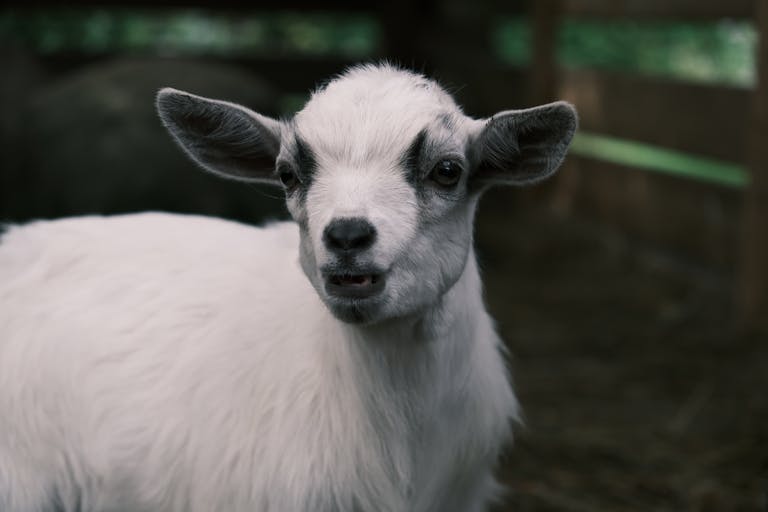
EXPLORE THE MINI BREEDS ➔Raising Mini Goats Don’t let their size fool you—miniature breeds like the Nigerian Dwarf and Pygmy are powerhouses of productivity. If you’re working with a smaller acreage, this deep dive shows you why “mini” might be your perfect match.
The “Tin Can” Myth: What Your Goats Actually Need
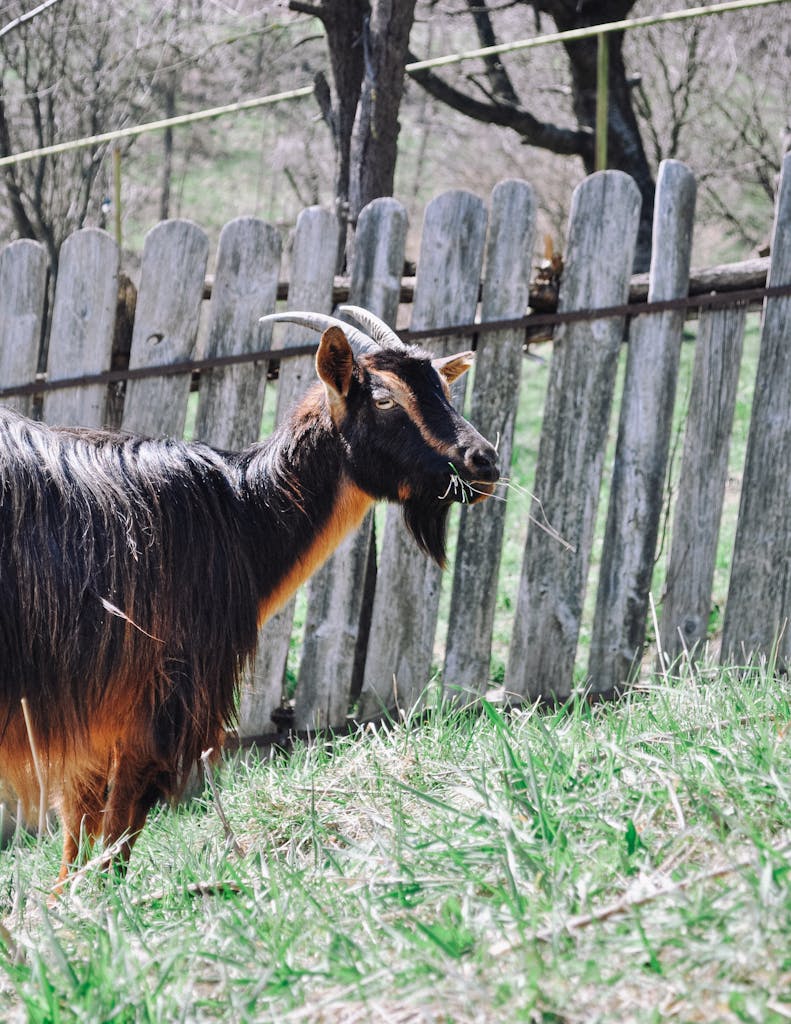
Forget what you saw in old cartoons; goats are actually some of the pickiest eaters in the barnyard when it comes to quality. They aren’t biological lawnmowers that want to graze your grass down to the dirt; they are “browsers” by nature, meaning they’d much rather reach up to eat your brush, weeds, and low-hanging tree branches. Understanding their unique digestive needs is the difference between a thriving herd and one that struggles with chronic health issues. Providing a diet that mimics their natural foraging habits will keep their rumen—the “engine” of the goat—running smoothly.
- Hay is Life: Unless you have a perfect, lush pasture available 365 days a year, high-quality grass hay is your bread and butter. It provides the essential long-stem fiber they need to keep their digestive tract moving, especially during the winter months or when they are confined to a dry lot.
- Minerals Matter: Goats have high requirements for specific elements like copper and selenium that are often missing from local soil. A cheap “all-purpose” livestock block usually won’t cut it because goats have trouble licking enough of it; instead, offer a high-quality loose mineral mix specifically formulated for goats in a weather-protected feeder.
- The “Forbidden” Salad: While they love variety, many common backyard plants like Azaleas, Lilies, and Rhododendrons are highly toxic and can be fatal in small amounts. Always do a thorough “weed sweep” of your property to identify and remove these “forbidden snacks” before your new arrivals take their first bite.
Daily Care: Keeping Your Herd Healthy and Safe
You don’t need a veterinary degree to manage a homestead, but you do need to develop a “farmer’s eye” for observation. Goats are masters at hiding illness until it’s advanced, so a goat that is standing off by itself, hanging its head, or refusing its favorite treat is a goat that needs immediate attention. Establishing a daily routine allows you to catch subtle changes in behavior before they become expensive emergencies. In 2026, proactive herd management—focusing on prevention rather than just treatment—is the hallmark of a successful and sustainable small farm.
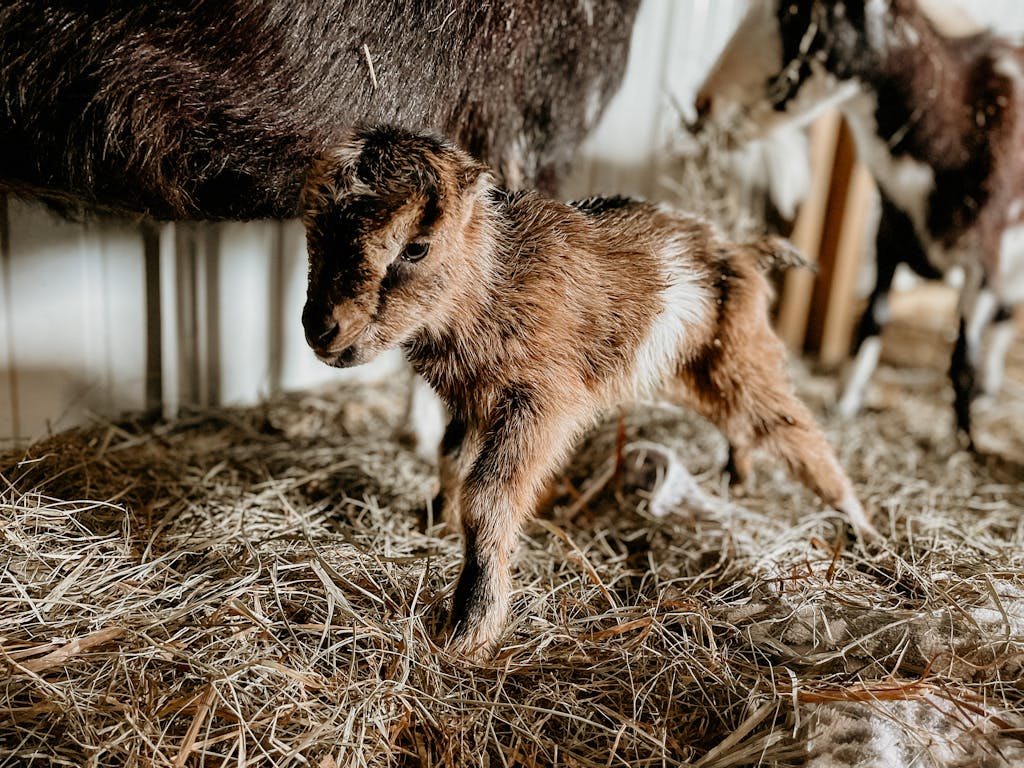
- Hoof Trimming: Think of this as a mandatory “pedicure” for your herd. Every 6–8 weeks, you’ll need to use a set of sharp shears to trim away overgrown hoof wall, keeping their feet level to prevent lameness and painful infections like hoof rot.
- The “Poop” Check: It sounds glamorous, doesn’t it? But keeping an eye on their “berries” is the best way to monitor internal health. Clumping, soft, or runny poop is usually a warning sign of a heavy parasite load (worms) or a dietary change that happened too fast for their rumen to handle.
- Predator Protection: Don’t forget that to a coyote, bobcat, or even a neighbor’s loose dog, your goats look like dinner. Because goats are vulnerable prey animals, your fencing is only half the battle; you need a proactive security plan. A solid guardian like the Great Pyrenees and Bernese Mountain Dog Mix can take the “night watch,” using their natural protective instincts to keep your herd safe while you sleep soundly.
5. Is It Worth the Work?
Raising goats is a lifestyle choice that definitely keeps you on your toes. You’ll have to push through some early winter mornings, handle the beautiful mess of kidding seasons, and occasionally chase a runaway through a neighbor’s yard when a gate gets left unlatched. But for every tough day, you get the reward of the best-tasting milk you’ve ever had, a weed-free pasture, and a group of four-legged friends that make you laugh every single day. In the end, the work pays off in the form of a more self-sufficient life and a barn full of animals that actually know your name.
Ready to choose your first pair? Take a look at our Top 6 Mini Goat Breeds to see which small-scale “troublemaker” is right for your land.
Want to see the official breakdown of these breeds? Check out the Official Goat Breed Database at Oklahoma State University if you are interested in the characteristics and a little bit of history behind these animals.