Pygmy Goat vs. Nigerian Dwarf: The Ultimate 2026 Comparison Guide
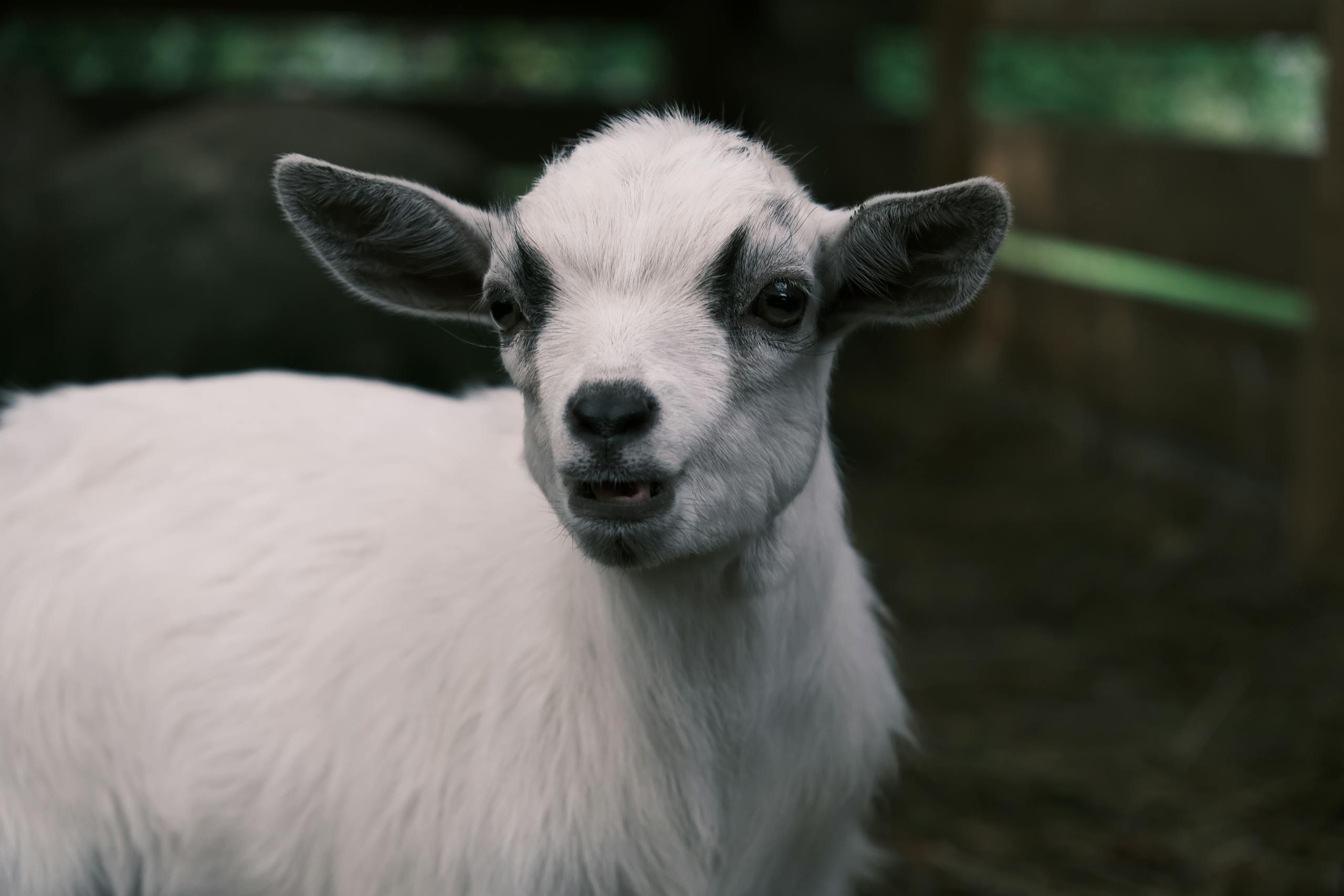
Pygmy Goat vs. Nigerian Dwarf: The Ultimate 2026 Comparison Guide
So, you’ve decided to add some “tiny hooves” to your life. Whether you’re looking to start a backyard dairy or you just want a pair of weed-eating lawn ornaments that double as therapists, you’ve likely narrowed your search down to the Pygmy and the Nigerian Dwarf.
While they might look similar to the untrained eye, choosing between them is the difference between buying a rugged SUV and a refined sedan. One is built for sturdiness and companionship; the other is a high-performance machine in a small package.
The “Big Picture” Difference: Purpose and Heritage
Before diving into the measurements, we have to talk about intent. Both breeds share West African roots, but their American lineages were developed for entirely different goals.
Pygmy goats are officially classified as a meat breed. They are the “bodybuilders” of the miniature goat world—broad, muscular, and low to the ground. While few people in the US or UK actually raise them for meat anymore, those genetics remain, giving them a hardy, easy-keeping nature.
Nigerian Dwarf goats, on the other hand, are true dairy goats. They are essentially a full-sized Alpine or Nubian goat shrunk down to a manageable size. They are refined, elegant, and biologically programmed to turn hay into high-quality milk.
Physical Stature: Stocky vs. Refined
If you look at them from a distance, the height might seem identical. Both generally fall between 17 and 23 inches at the shoulder. However, the “silhouette” is where the distinction lies.
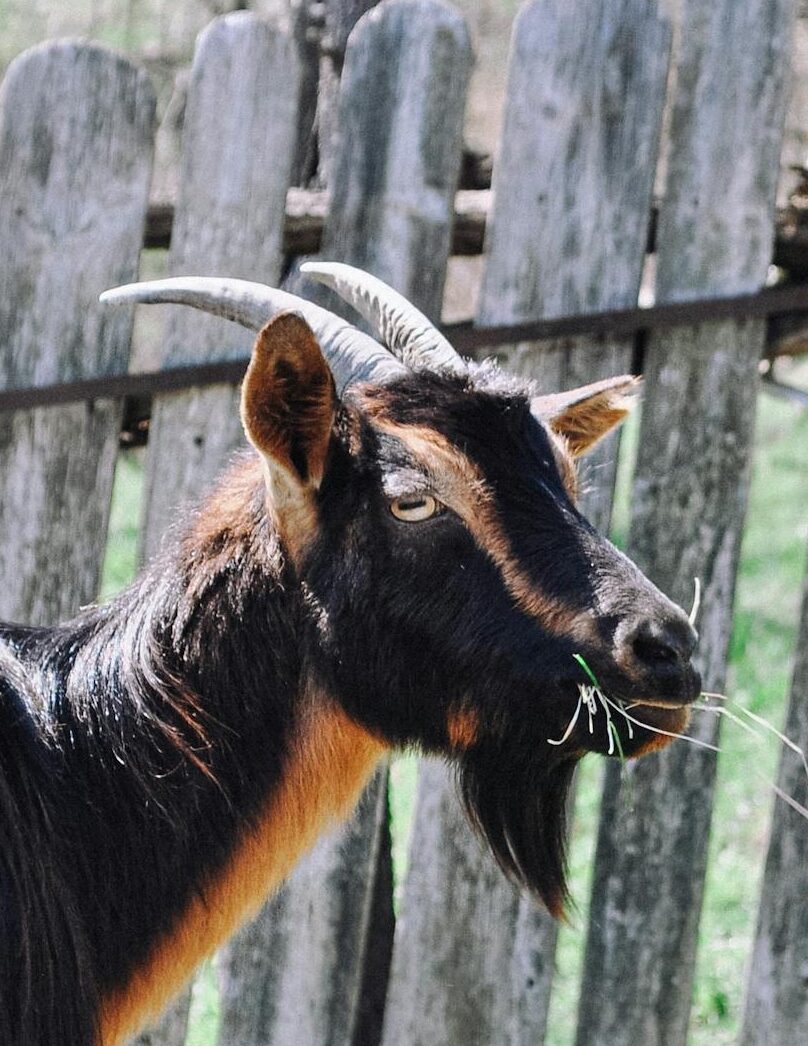
The Pygmy “Cobby” Build
Pygmies have a distinctively “cobby” appearance. This means they have short, heavy-boned legs and a barrel-shaped body. When a Pygmy goat is at its ideal weight, it looks like a sturdy little tank. Their heads are shorter, and their coats are often thicker and coarser.
The Nigerian Dwarf Dairy Build
Nigerian Dwarfs are much more “angular.” They have longer, more graceful necks, thinner legs, and a leaner overall frame. Even a “fat” Nigerian Dwarf will still look more athletic than a Pygmy. Their skin is thinner, and their coats are usually finer.
Pro Tip: If you see a miniature goat with a very large, well-attached udder, it is almost certainly a Nigerian Dwarf. Pygmies have much smaller udders designed only to raise a kid, not to provide a gallon of milk for your cereal.
Milk Production: The “Liquid Gold” Comparison
This is usually the deal-breaker for most homesteaders.
Nigerian Dwarf: The Tiny Overachiever
If your goal is self-sufficiency, the Nigerian Dwarf is the gold standard. They don’t just produce milk; they produce extraordinary milk.
- Yield: A well-bred doe can produce 1–2 quarts (0.9–1.8 liters) per day.
- Butterfat: Their milk averages 6–10% butterfat. For context, standard cow milk is about 3.5%. This high fat content makes the milk incredibly sweet, creamy, and perfect for making artisanal cheese, soap, or “better-than-store-bought” butter.
Pygmy: The “Just Enough” Producer
Can you milk a Pygmy? Technically, yes. Should you? Probably not. A Pygmy might give you a cup or two of milk, but their teats are often very small (making them difficult to hand-milk), and their lactation period is much shorter. They are best left to raise their own kids.
Temperament: Who is the Better Roommate?
Goats are highly social, intelligent animals, but these two breeds have slightly different “vibes.”
- The Pygmy Persona: Generally speaking, Pygmies are a bit more “chill.” They are known for being docile and affectionate, making them fantastic 4-H projects for younger children. They are less likely to try to “solve” the lock on your gate, though they are still goats, so don’t leave the grain bin open.
- The Nigerian Dwarf Persona: These goats are the “border collies” of the goat world. They are incredibly smart, highly curious, and sometimes a bit more vocal. They crave human interaction. If you are milking them daily, you will develop a very deep bond with them—but expect them to scream at you if you’re five minutes late for breakfast.
Maintenance, Cost, and Logistics
While the “startup cost” of the goat itself is just one factor, the long-term maintenance varies based on your goals.
| Cost Factor | Pygmy Goat | Nigerian Dwarf Goat |
| Initial Purchase | $150 – $400 | $300 – $800+ (for registered milk lines) |
| Feeding | Standard hay + minerals | High-quality alfalfa + grain (especially during lactation) |
| Time Commitment | Low (check-ins & cleaning) | High (if milking 2x per day) |
| Fencing | 4ft secure “no-climb” | 4ft secure (they are agile jumpers!) |
The “Hidden” Cost of Milking
If you choose Nigerian Dwarfs for milk, remember that you are tethered to them. Milking happens 365 days a year unless you “dry them over” or use a sharing system with the kids. You will also need to invest in a milk stand, stainless steel pails, and cleaning supplies.
Which Breed is Right for Your Homestead?
The Case for the Pygmy
Choose a Pygmy if you want a low-stress pet. If you have a few acres of brush you want cleared, or you want a companion for your horse, the Pygmy is hardy, adorable, and won’t demand a 6:00 AM milking appointment. They are the ultimate “hobby farm” mascot.
The Case for the Nigerian Dwarf
Choose a Nigerian Dwarf if you want a productive member of the family. If you want to stop buying milk and start making your own chèvre or feta, the Nigerian Dwarf is arguably the most efficient dairy animal on the planet for its size.

If you’re fascinated by the lineage and global growth of miniature breeds like the Nigerian Dwarf and Pygmy, explore the Breeds of Livestock database at Oklahoma State University. This platform is widely recognized as a premier academic authority on the history and evolution of livestock
Frequently Asked Questions (FAQs)
Can Pygmy and Nigerian Dwarf goats live together?
Yes, Pygmy and Nigerian Dwarf goats can live together harmoniously. Because they are similar in size and share a common West African ancestry, they typically integrate well into the same herd. However, since their nutritional needs differ—especially if the Nigerian Dwarfs are being milked—you may need to separate them during feeding times to ensure each goat gets the specific minerals and grain they require.
Which breed is actually smaller?
Technically, they are roughly the same height, but Pygmy goats appear smaller because they are shorter-limbed. Both breeds usually stand between 17 and 23 inches at the shoulder. The difference is in the “depth”: a Pygmy goat is wider and more “round,” while a Nigerian Dwarf is taller in the leg and more “elegant.” If you are looking for the absolute shortest goat, you are more likely to find it among Pygmy lines.
Do Pygmy or Nigerian Dwarf goats smell bad?
Only intact males (bucks) have a strong odor; females (does) and castrated males (wethers) do not have a scent. During breeding season, bucks from both breeds produce a musk and spray themselves to attract females—this smell is quite pungent and can be smelled from a distance. If you are keeping goats strictly as pets or for milk, keeping wethers or does will ensure your backyard remains smelling fresh.
Can you crossbreed a Pygmy with a Nigerian Dwarf?
Yes, crossbreeding is possible and the offspring are often referred to as “Pygerians.” While these hybrids are often healthy and adorable, they are not recognized by major breed registries like the ADGA (American Dairy Goat Association) or the NPGA (National Pygmy Goat Association). Crossbreeding usually results in a goat that is “average” at both milk and meat, rather than “excellent” at one.
How much space do I need for two miniature goats?
Yes, crossbreeding is possible and the offspring are often referred to as “Pygerians.” While these hybrids are often healthy and adorable, they are not recognized by major breed registries like the ADGA (American Dairy Goat Association) or the NPGA (National Pygmy Goat Association). Crossbreeding usually results in a goat that is “average” at both milk and meat, rather than “excellent” at one.
Which breed is better for children or 4-H projects?
Pygmy goats are often considered slightly better for very young children due to their sturdy, “tank-like” build. They can handle the accidental “heavy-handedness” of a toddler better than the refined, thinner-boned Nigerian Dwarf. However, for older children interested in agricultural science or dairy production, the Nigerian Dwarf is the superior choice for 4-H because it teaches them about milk testing, udder health, and dairy conformation.
Do I have to milk a Nigerian Dwarf goat?
You only need to milk a Nigerian Dwarf if she has recently had kids (freshened). If you do not breed your doe, she will not produce milk and does not need to be milked. If you do want milk, you must be prepared for a twice-daily commitment for about 10 months of the year. If that sounds like too much work, a Pygmy wether (neutered male) is the perfect low-maintenance alternative.
Final Verdict
Final Verdict
In the battle of Pygmy Goat vs. Nigerian Dwarf, there is no loser—only different lifestyles.
- Go Pygmy for companionship and easy-keeping.
- Go Nigerian Dwarf for the dairy dream and high-intelligence interaction.
Whichever you choose, remember: Never buy just one. Goats are herd animals and will become depressed (and very loud) without a friend of their own kind