Finding and Raising Pygmy Goats in Canada
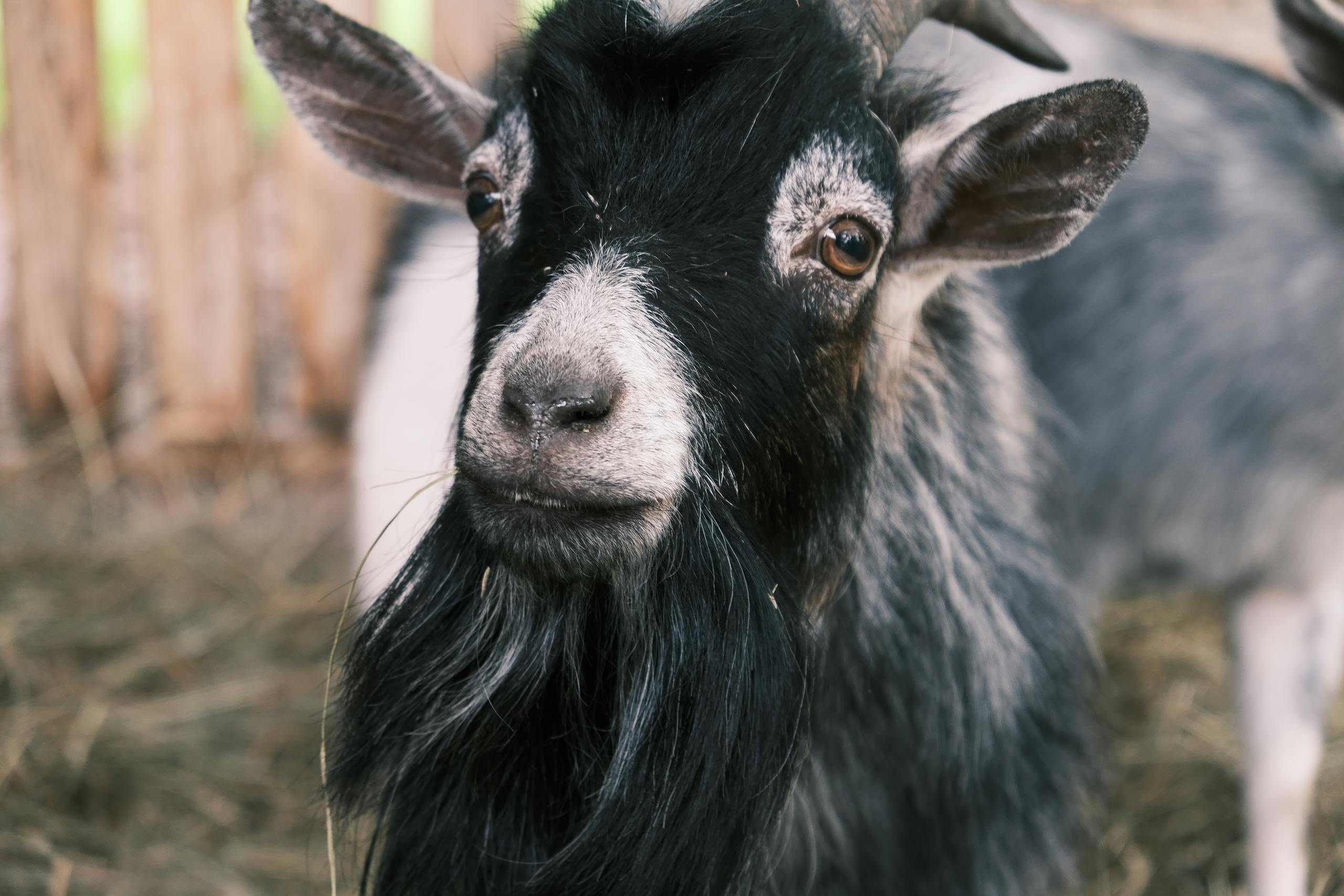
So, you’ve decided to add some miniature charm to your homestead. Whether you are living in the rugged mountains of British Columbia, the lush farmlands of Ontario, or the wide-open prairies of the West, the interest in pet pygmy goats across Canada is at an all-time high. These animals are hardy, hilarious, and—if managed correctly—truly rewarding companions.
However, searching for baby pygmy goats for sale near me in Canada isn’t as simple as driving to the local pet store. It requires careful planning, a clear understanding of what you are buying, and the right preparation for our distinct Canadian seasons.
What Are Pygmy Goats Used For?
Before you buy, it is important to understand the “why” behind the breed. Originally developed in West Africa and refined in the U.S. for meat and dairy production, the Pygmy goat’s role has shifted significantly in the 21st century. Today, what are pygmy goats used for?
- “Therapy” Animals: Due to their size and curious, friendly nature, many are kept simply for the joy they bring to a household.
- Companionship: They are arguably the most popular miniature goat breed for backyard companionship.
- 4-H and Education: They are standard for youth agricultural programs. You can find many resources through 4-H Canada regarding youth livestock projects.
- Small-Scale Land Management: While they aren’t “heavy-duty” brush clearers like larger breeds, they are excellent at keeping grass short in contained areas.
if you want to learn more about pygmy goats than read out this blog:
Are Pygmy Goats Good Pets?
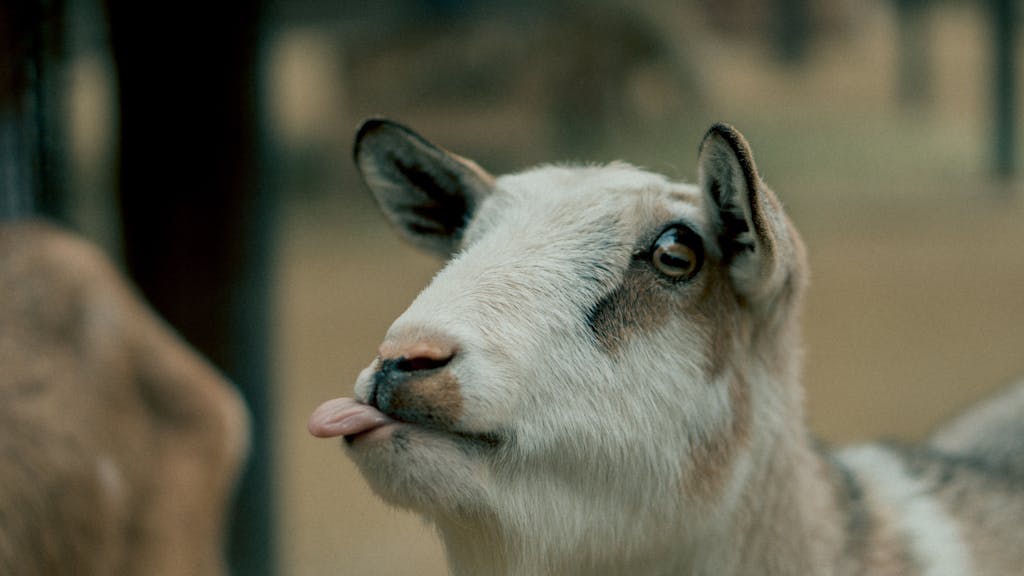
If you are asking, “Are pygmy goats good pets?” the answer is a resounding yes—provided you meet their specific needs. They are highly intelligent, bond closely with their owners, and have individual personalities that rival any dog or cat. However, they are not “house pets.” They need:
- A Herd: They are pack animals. You should never, ever keep a lone goat. A solo goat will be lonely, stressed, and exceptionally loud. Always buy them in pairs.
- Outdoor Space: They need room to jump, climb, and forage.
- Engagement: They get bored easily. Adding stumps, ramps, and climbing platforms to their enclosure is essential for their mental health.
The 15-Year Commitment
Before falling in love with a 5lb kid, remember that pygmy goats are a long-term addition to the family.
- Lifespan: In a pet setting with high-quality care, pygmy goats full grown often live 12 to 15 years, with some wethers (neutered males) reaching 18 years.
- The “Vacation” Factor: Unlike a dog, you can’t easily put a goat in a kennel. You will need a reliable “farm sitter” who understands goat behavior if you plan to travel.
Intelligence & Training Potential
Many people are surprised to learn that pet pygmy goats are nearly as trainable as dogs. Because they are food-motivated, you can use positive reinforcement (clicker training) for:
- Leash Walking: Essential for vet visits or participating in local “Goat Yoga” sessions.
- Target Training: Teaching them to “touch” a specific object to move them between paddocks without dragging them.
- Recall: Training them to come when called by shaking a treat bucket (a lifesaver if they ever “Houdini” their way out of a gate).
The “Not So Pet-Like” Realities
To be a responsible owner, you must accept the “livestock” side of these pets:
- Hoof Maintenance: Their hooves grow constantly. You must be prepared to trim them every 6 to 8 weeks to prevent lameness.
- The “Browsing” Habit: Pygmy goats are browsers, not grazers. They won’t just mow your lawn; they will prioritize your rose bushes, cedar hedges, and low-hanging fruit tree branches.
- Health Monitoring: You need to become an amateur “poop expert.” Regular fecal exams (done by a vet or yourself with a microscope) are required to manage parasites, as goats are highly susceptible to internal worms.
Choosing the Right Gender for a Pet
- Wethers (Neutered Males): These are widely considered the best pet pygmy goats. They are docile, affectionate, and don’t have the hormonal “stink” of an intact buck or the heat cycles of a doe.
- Does (Females): Great pets, but they do go into “heat” every 21 days, which can lead to increased vocalization (crying for a mate).
- Bucks (Intact Males): Avoid as pets. In 2026, it is standard advice that intact bucks are for breeding programs only. They urinate on themselves to attract females and can become aggressive during “rut.”
The Buzzwords: Decoding “Teacup” and “Fainting” Goats
When browsing listings, you’ll encounter various marketing terms. It is essential to be a savvy shopper to avoid paying premium prices for “designer” labels that may not be what they seem.
1. Teacup Pygmy Goats for Sale
You will frequently see ads for teacup pygmy goats for sale or teacup baby pygmy goats for sale. It is critical to understand that there is no such thing as an official “teacup” breed.
“Teacup” is a term used by breeders to describe goats that are simply on the smaller side of the spectrum. While a small goat is adorable, ensure the breeder isn’t breeding for “tiny-ness” at the expense of health. When you look at pygmy goats full grown, they should be stocky, muscular, and sturdy—not fragile. A healthy, small Pygmy should be 16–23 inches at the shoulder and feel solid to the touch.
2. Fainting Pygmy Goats
Sometimes, buyers specifically search for fainting pygmy goats. It’s important to note that the “fainting” trait (Myotonia) comes from a completely different breed: the Myotonic goat. When a seller offers “fainting pygmy goats,” they are almost certainly selling a crossbreed. While these crossbreeds are often docile and very cute, make sure you know if you are buying a purebred Pygmy (which does not faint) or a cross.
What Do Pygmy Goats Eat?
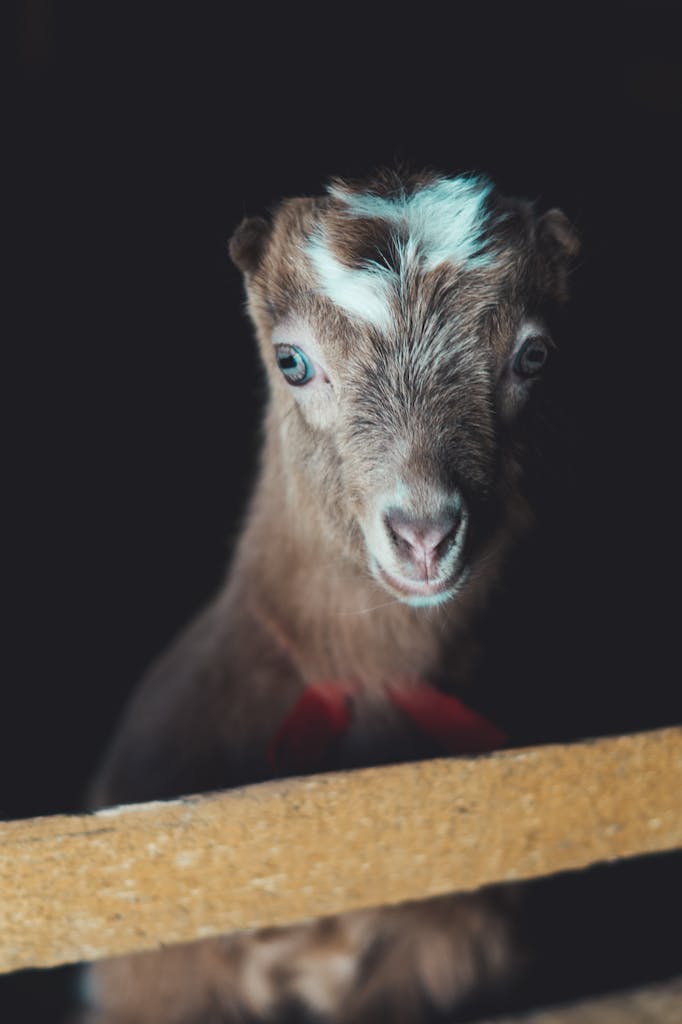
In the Canadian climate, nutrition is your primary tool for keeping your goats healthy throughout the long winter. When researching what do pygmy goats eat, remember that their digestive systems are designed for browsing, not just grazing.
- Roughage: High-quality hay (Timothy or an Alfalfa/Grass mix) should be available 24/7.
- Browse: They love to eat weeds, brambles, and brush.
- Minerals: This is the most overlooked aspect of goat care. Goats require a loose mineral specifically formulated for goats. Do not give them sheep minerals, as sheep minerals lack the copper goats need.
- Winter Caloric Needs: During a Canadian winter, your goats will burn significantly more calories just staying warm. Consult your local feed store about providing a bit of extra grain or alfalfa during extreme cold spells (-20°C and lower).
- Fresh Water: They must have access to clean water. In Canada, this means using a heated water trough or bucket. If the water is frozen, they won’t drink, which can lead to life-threatening urinary calculi (bladder stones).
to learn more about the goat nutritional diseases you can checkout this blog
Local Zoning & “Backyard Goat” Laws in Canada
Before you bring home pet pygmy goats, you must navigate a patchwork of provincial and municipal bylaws. In 2026, Canadian cities have become more open to “urban agriculture,” but strict rules still apply to ensure these animals are a positive addition to the community.
1. The Prohibited List (Major Hubs)
In major metropolitan areas like Toronto and Vancouver, goats are traditionally classified as livestock.
- Toronto: Under Bylaw Chapter 349, goats are generally prohibited in residential zones. However, 2026 has seen an increase in “Prescribed Grazing Projects” (like the Don Valley Brick Works project), showing a shift in how the city views goats as eco-tools rather than just farm animals.
- Vancouver: Animal Control By-law No. 9150 currently limits backyard livestock to hens. Unless your property is specifically zoned for agriculture (ALR), keeping a pygmy goat in a standard West End backyard could result in a “Notice to Remove.”
2. The Pilot Program & “Progressive” Cities
Some forward-thinking municipalities have introduced Urban Livestock Permits.
- Edmonton & Calgary: Both cities have recently updated their Responsible Pet Ownership and Animal Care and Control bylaws (effective May 2026). While primarily focused on hens and bees, there are specific “livestock-over-limit” permits and emotional support animal exemptions that some owners use to legally house miniature goats.
- Small-Town Ontario & BC: Many smaller towns (like those in Strathcona County or the BC Interior) allow goats based on “Livestock Units” per acre. For example, you may be allowed two pygmy goats if you have at least 0.5 acres of land.
3. The “Nuisance” Rule & Neighbor Relations

Even if your zoning allows goats, you must comply with Nuisance Bylaws. In a 2026 legal context, “nuisance” covers:
- Noise: Pygmy goats are generally quiet, but a lonely goat will scream. Continuous vocalization can lead to noise complaints.
- Odour: While the goats themselves don’t smell (unlike intact bucks), improper manure management is a fast way to get a visit from Bylaw Enforcement.
- Escapism: If your goat escapes into a neighbor’s prized garden or a public park, you are liable for damages under the Livestock Misadventure clauses of your province.
Pro Tip: Always search your city’s official website for the “Animal Control Bylaw” or “Zoning Map” before you buy. If you are in a “grey area,” get a written letter of support from your immediate neighbors to present to the city council if you ever need to apply for a variance.
Summary Table: Can I Have a Goat?
| Location Type | Likely Status | Requirements |
| Urban Residential | Prohibited / Pilot Only | Check for “Urban Livestock” permits; 2026 updates may apply. |
| Suburban / Acreage | Permitted with Limits | Often requires 0.5 to 1.0+ acres; check “Livestock Units” per acre. |
| Agricultural (ALR/RA) | Fully Permitted | Must follow CFIA traceability and Premise ID rules. |
Where to Find Breeders in Canada
Searching for baby pygmy goats for sale near me requires a mix of digital search and old-fashioned networking.
- The Canadian Livestock Records Corporation (CLRC): This is the only place to find truly registered animals. If a breeder claims their goats are “purebred” but cannot provide paperwork, they are not registered.
- Provincial Breed Associations: Search for the Ontario Goat, British Columbia Goat Association, or Alberta Goat Breeders. These organizations often have a member directory.
- Local Classifieds: In Canada, sites like Kijiji, Facebook Marketplace, and local farm-gate signs are still the best way to find local breeders. When you find a listing, filter your results to your province or nearby regions to keep travel times short.
The “Ultimate Goat Ready” Checklist: Before You Bring Them Home
Bringing home pet pygmy goats is a 10-to-15-year commitment. Use this comprehensive checklist to ensure your property is a “Goat Fortress” and your animals stay healthy from day one.
1. Security & Containment (The “Houdini” Proofing)
- [ ] 4-Foot No-Climb Fencing: Use 2″ x 4″ woven wire “non-climb” fencing. If you use standard cattle panels, a pygmy goat full grown can get its head stuck, leading to injury or predator attacks.
- [ ] Tension-Tested Gates: Ensure gates are flush with the ground. A baby pygmy can squeeze through a 4-inch gap under a gate.
- [ ] Predator Protection: In Canada, coyotes and neighborhood dogs are major threats. Ensure your fencing is “dug in” or has a strand of electric wire at the bottom and top to deter climbers and diggers.
2. Canadian Winter-Ready Shelter
- [ ] Draft-Free, Not Air-Tight: You need a three-sided or fully enclosed shed that blocks the wind but allows moisture to escape through roof vents. Humidity = Pneumonia in Canadian goats.
- [ ] Elevated Sleeping Platforms: Goats hate sleeping on cold damp ground. Provide wooden “goat bunks” or pallets to keep them off the frost.
- [ ] The “Deep Litter” Bedding: Stock up on wood shavings (for the base) and thick straw (for insulation).

3. The “Day One” Nutrition Kit
- [ ] Clean Water System: A heated water bucket is mandatory for Canadian winters. If the water is too cold, goats won’t drink enough, leading to “urinary calculi” (kidney stones) in males.
- [ ] Raised Hay Feeder: Never feed hay on the ground. Goats will waste 50% of it, and it increases the risk of parasite transmission.
- [ ] Goat-Specific Loose Minerals: Ensure your supplement contains Copper. Note: Sheep minerals will cause a copper deficiency in goats.
- [ ] Baking Soda: Keep a small bowl of plain baking soda available 24/7. It helps them self-regulate their rumen pH and prevents bloat.
4. The “Vetting” & Health Protocol
- [ ] Proof of Testing: Do not take a breeder’s word. Ask for a printed lab report showing the herd is Negative for CAE, CL, and Johne’s disease.
- [ ] Disbudding Confirmation: Verify the kids were disbudded (horns removed) between 3–10 days of age. Horned goats are a liability in small pet settings.
- [ ] Hoof Trimming Tools: You will need a pair of sharp hoof shears. Pygmy hooves grow fast and need trimming every 6–8 weeks.
- [ ] Find a “Large Animal” Vet: Before you buy the goat, call around. Not all vets handle goats, and you don’t want to be searching for one during a 2:00 AM emergency.
5. Legal & Administrative
- [ ] PID (Property Identification) Number: In most Canadian provinces, you are legally required to register your land as a site for livestock.
- [ ] CCIA Tags: Ensure your baby pygmy goats have their official Canadian Cattle Identification Agency ear tags or a registered tattoo before they leave the breeder’s farm.
- [ ] Bylaw Check: Confirm that your specific property zoning allows for “Caprine” animals.
Summary of Full-Grown Specs
| Feature | Pygmy Goat Expectation |
| Pygmy Goats Full Grown | 16–23 inches tall; 40–80 lbs |
| Lifespan | 10–15 years |
| Social Needs | Minimum of 2 goats (Never keep one alone) |
| Daily Routine | Fresh water, hay refill, and 15 mins of “petting/checkup” |
Final Verdict: Is a Pygmy Goat Right for Your Canadian Homestead?
Bringing home pet pygmy goats is one of the most rewarding decisions a Canadian hobby farmer or acreage owner can make in 2026. These “compact powerhouses” offer a unique blend of hilarious personality, hardy genetics, and manageable size that fits perfectly into our northern lifestyle.
Summary of the “Pygmy Professional” Roadmap:
- The Search: Always start your search for baby pygmy goats for sale near me by vetting breeders through the CLRC or provincial goat associations. Avoid the “auction trap” and “teacup” marketing scams.
- The Breed: Remember that a pygmy goat full grown is a sturdy, 60–80 lb animal. They are “cobby” meat-type goats, not fragile lap pets.
- The Diet: What do pygmy goats eat? A high-fiber diet of quality hay, clean minerals, and—most importantly—heated water to survive the Canadian freeze.
- The Commitment: They are a 15-year investment. They require a “herd” (minimum of two), “Houdini-proof” fencing, and a draft-free winter shelter.
Are Pygmy Goats Good Pets for You?
If you have at least 0.5 acres, a secure fence, and a desire for a highly intelligent, affectionate companion that doubles as a brush-clearer, then the answer is a resounding yes. While they aren’t the primary choice for dairy—leave that to the Nigerian Dwarf—they are the undisputed kings of personality and heart.
Your Next Step: Before you drive out to meet those adorable kids, double-check your local zoning bylaws and ensure you have a “Large Animal” vet on speed dial. Once your “Goat Fortress” is ready and your hay is stacked, you’ll be prepared to welcome the funniest, sturdiest, and most charming new members of your family.