9 Best Extra Large Dog Houses for Multiple Dogs (Fits 2–3 Large Dogs Comfortably)
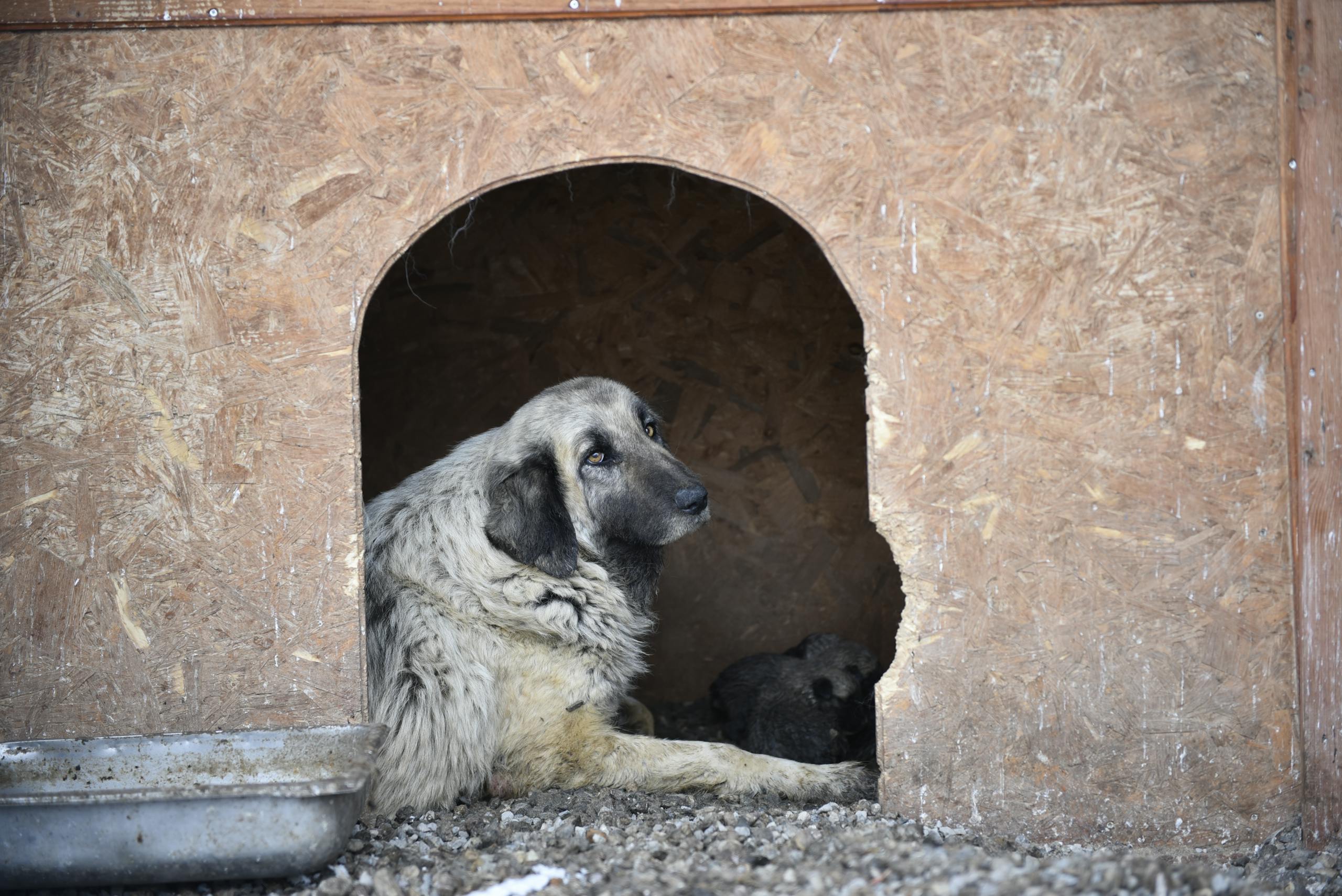
Managing a multi-dog household is a balancing act of love, logistics, and a little chaos. Whether your pack includes high-energy farm dogs or inseparable homestead companions, finding a shelter that keeps everyone cozy without feeling cramped is a common headache.
Too often, “Extra Large” on a product label is more marketing than reality. If you’ve ever seen one dog squeezed into a corner while another camps on the porch, you know that standard dog houses often fail to account for the actual dynamics of two or three large dogs sharing space. Ventilation, moisture buildup, and squabbles over the prime sleeping spot add to the challenge.
In this guide, we cut through the marketing jargon to review the best shelters that prioritize durable materials, effective insulation, and floor space that makes your dogs feel like a pack—not like roommates fighting over the remote.
Below, you’ll find our top 9 picks, complete with pros, cons, and real-world insights from owners who’ve lived with multiple large dogs in one space.
Table of Contents
Quick Comparison Table: Top Dog Houses for Multiple Dogs
| Dog House | Best For | Material | Size | Capacity |
|---|---|---|---|---|
| ASL Solutions Dog Palace | Extreme Winter | Insulated Plastic | XL | 2 Dogs |
| Trixie Natura Dog Cabin | Backyard / Moderate Climate | Wood | XXL | 2–3 Dogs |
| Petmate Indigo | High-Wind / Durability | Structural Foam | XL/Giant | 2 Dogs |
| Merry Products Wood House | Aesthetic / Farm | Cedar/Wood | XL | 2 Dogs |
| Petsfit Wooden XL | All-Season | Solid Cedar | XL | 2 Dogs |
| Tangkula XL Dog House | Budget-Friendly | Pine / Composite | XL | 2 Dogs |
| Petmate Igloo XXL | Extreme Weather | Polyurethane Foam | XXL | 2 Dogs |
| Pawhut Double Dog House | Small Farms | MDF / Plastic | XL | 2 Dogs |
| Trixie Natura XL Outdoor | Multi-Dog Comfort | Pine + Styrofoam | XXL | 2–3 Dogs |
9 Best Extra Large Dog Houses for Multiple Dogs
1. ASL Solutions Dog Palace
Best For: Extreme winter climates requiring high thermal retention.
Key Features:
- 2–4 inches of true EPS foam insulation in all panels
- Self-closing insulated door to minimize drafts
- Raised floor with built-in drainage to prevent moisture buildup
- Heater-compatible portal for electric dog house heaters
- Durable, UV-resistant plastic exterior
Pros:
- Industry-leading thermal efficiency keeps dogs warm even in sub-zero temperatures
- Easy to clean with hose or spray-down
- Large enough for two big dogs to stand, lie down, and turn comfortably
- Resistant to chewing and scratching
Cons:
- Higher price point than most outdoor dog houses
- Bulky assembly, may require two people
Fits: 2 large dogs comfortably
Owner Tip: Pair with straw bedding for insulation. Avoid blankets as they trap moisture and freeze, reducing warmth.
2. Trixie Natura Dog Cabin with Porch
Best For: Owners seeking a natural aesthetic with moderate weather protection.
Key Features:
- Solid pine construction with double-wall design
- Sloped roof with asphalt shingles for rain runoff
- Covered porch prevents mud or snow from entering the main compartment
- Roof ventilation ridge for airflow
Pros:
- Natural wood insulation maintains moderate warmth
- Porch helps keep the entrance clean and dry
- Can comfortably accommodate 2–3 medium-to-large dogs depending on size
- Aesthetic fit for backyard farms or homesteads
Cons:
- Requires annual sealing to protect wood from moisture and UV
- Less durable in high-wind conditions
Fits: 2–3 medium-to-large dogs
Owner Insight: Ideal for backyard use; ridge vents help prevent condensation during winter or rainy seasons.
3. Petmate Indigo Dog House
Best For: High-wind areas requiring durable construction.
Key Features:
- Aerodynamic dome shape deflects wind and snow
- Heavy-duty structural foam walls provide natural insulation
- Offset doorway minimizes direct drafts
- Easy-clean plastic interior and exterior
Pros:
- Extremely wind-resistant, ideal for open plains or coastal areas
- Smooth surfaces prevent water absorption
- Good ventilation for multiple dogs
Cons:
- Rounded interior can feel tight for dogs who like to sprawl
- Dome shape limits tall breed vertical space
Fits: 2 large dogs
Pro Tip: Place near a corner or fence to provide additional wind protection and stability.
4. Merry Products Wood House
Best For: Aesthetic and long-term durability on farms or homesteads.
Key Features:
- Solid cedar construction with natural R-value
- Raised floor prevents cold ground contact
- Removable roof panels for easy cleaning and bedding replacement
- Sturdy door frame to prevent sagging
Pros:
- Natural insulation keeps interior moderately warm
- Attractive design suitable for backyards
- Spacious for 2 large dogs
Cons:
- Requires annual sealing to maintain water resistance
- Not as wind-resistant as plastic alternatives
Fits: 2 large dogs
Owner Insight: Ideal for owners who prioritize durability and aesthetic; provide extra ventilation during humid months.
5. Petsfit Wooden XL Dog House
Best For: All-season comfort for medium-to-large dogs.
Key Features:
- Kiln-dried cedar panels resist warping and pests
- Raised floor prevents heat loss to frozen ground
- Removable floor tray for easy cleaning
- Sloped roof to prevent water accumulation
Pros:
- Natural wood provides consistent insulation
- Easy-to-clean floor and roof
- Roomy interior allows two dogs to lie down without crowding
Cons:
- Heavier to move or reposition
- Wood may warp over time if untreated
Fits: 2 large dogs
Owner Tip: Adding straw or foam liners enhances winter warmth and comfort.
6. Tangkula XL Dog House
Best For: Budget-conscious buyers who still need space.
Key Features:
- Pine and composite panels
- Raised floor to prevent cold bridging
- Sloped roof for rain and snow runoff
- Lightweight design for easy relocation
Pros:
- Affordable option without sacrificing floor space
- Spacious interior fits two large dogs
- Easy to assemble
Cons:
- Less insulation than foam-based models
- Not suitable for sub-zero climates
Fits: 2 large dogs
Pro Tip: Add a weatherproof liner or insulated bedding during colder months for extra comfort.
7. Petmate Igloo XXL
Best For: Extreme weather conditions and multi-dog households.
Key Features:
- Polyurethane foam insulated walls for thermal retention
- Dome-shaped structure deflects wind and snow
- Offset doorway prevents cold drafts
- Durable, minimal-maintenance exterior
Pros:
- Very durable and long-lasting
- Retains heat efficiently for multiple dogs
- Low maintenance and easy to clean
Cons:
- Interior height may be low for very tall breeds
- Heavier than most standard dog houses
Fits: 2 large dogs
Owner Insight: Best used in open spaces where wind deflection is key; consider placing on a raised platform to prevent ground moisture.
8. Pawhut Double Dog House
Best For: Small farms or homesteads needing two compartments.
Key Features:
- MDF and plastic construction
- Two connected compartments with optional divider
- Raised floors for insulation and drainage
- Lightweight and affordable
Pros:
- Allows dogs separate sleeping spaces if needed
- Affordable multi-dog option
- Easy assembly
Cons:
- MDF is less durable outdoors; must be protected from rain
- Needs additional ventilation holes drilled for airflow
Fits: 2 dogs
Owner Tip: Perfect for dogs with differing energy levels or behavior; adding ridge vents improves airflow.
9. Trixie Natura XL Outdoor
Best For: Comfort and durability for multiple dogs.
Key Features:
- Pine panels lined with Styrofoam for added insulation
- XXL interior space
- Sloped roof with drainage system
- Removable roof panel for cleaning
Pros:
- Natural insulation with foam support keeps interior warm
- Can accommodate 2–3 dogs comfortably
- Easy access for cleaning and bedding replacement
Cons:
- Requires annual maintenance to seal wood
- Larger footprint requires more backyard space
Fits: 2–3 large dogs
Owner Insight: Excellent choice for backyard farms; ensure proper ventilation for humid climates to prevent mildew.
How Big Should a Dog House Be for Two Large Dogs?
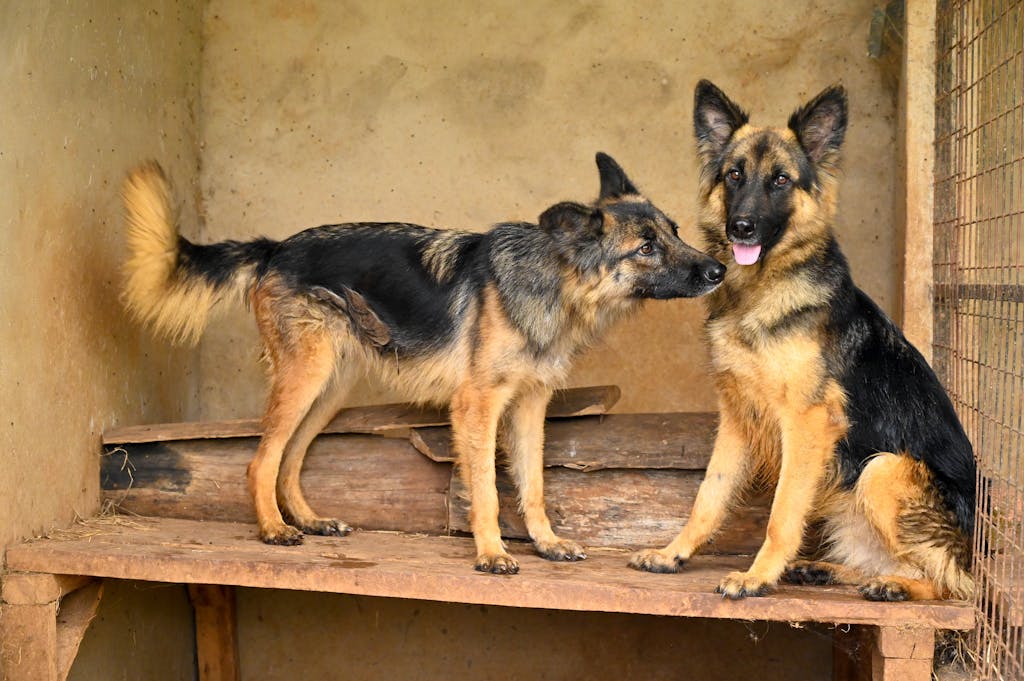
When two large dogs share a single shelter, size isn’t just about fitting them in—it’s about creating a safe, comfortable environment that minimizes stress, moisture buildup, and potential conflicts. Crowding can lead to fights, health issues, or dogs refusing to use the house. Correct sizing ensures both dogs can stand, turn, and lie down comfortably, while still retaining warmth.
The Golden Rule for Width
To calculate the ideal width for a multi-dog house:
Total internal width = combined lengths of all dogs + 25% extra space
- Measure each dog from nose to tail while lying in their preferred sleeping position.
- Add the lengths together, then multiply by 1.25 (25% extra) to allow room for movement.
Example:
- German Shepherd: 38 inches
- Great Dane: 48 inches
- Combined length: 38 + 48 = 86 inches
- Add 25%: 86 × 1.25 = 107.5 inches
This means the internal width of the dog house should be around 107–108 inches for these two breeds to lie comfortably side by side.
Ceiling Height
- The tallest dog should stand comfortably on all fours with 3–6 inches of clearance above the head.
- Avoid houses that are too tall; overly large interiors can reduce heat retention in cold climates.
Tip: For extreme winter regions, a slightly lower ceiling helps retain warmth, while still providing enough headroom.
Floor Space and Layout
- Dogs need enough floor space to turn, stretch, and lie down fully without bumping into each other.
- If the house feels cramped, dogs may avoid using it, leading to moisture issues and outdoor sleeping.
Optional Enhancements:
- Partitions: Ideal if dogs need temporary separation, for feeding or personality conflicts.
- Two Entrances: Prevents dominance or “blocking” behavior; each dog can enter/exit without conflict.
Multi-Dog Comfort Factors
- Sleeping Positions: Some dogs prefer to snuggle in cold weather, while others like their own space. The house should accommodate both styles.
- Ventilation: Proper airflow prevents condensation from two dogs’ combined breath, reducing mold and mildew. Ridge vents or offset doorways are recommended.
- Bedding Choice: Use straw or insulated pads instead of blankets. Straw wicks moisture away and provides secondary insulation, preventing a damp, freezing interior.
Quick Reference Table: Minimum Dog House Dimensions for Two Large Breeds
| Breed Pair | Combined Length | Width w/ 25% Extra | Recommended Height |
|---|---|---|---|
| German Shepherd + Great Dane | 86 in | 108 in | 44–48 in |
| Labrador + Rottweiler | 72 in | 90 in | 40–44 in |
| Husky + Malamute | 74 in | 92.5 in | 42–46 in |
Note: Add a few inches for extra comfort if dogs often sprawl or have long tails.
Should Multiple Dogs Share One Dog House?
Sharing a shelter is common on farms, but it isn’t without risks. Behavioral considerations are just as important as structural ones.
- Dominance & Entry Blocking: If you only have one entrance, a dominant dog may block the other from entering. Multiple entrances are highly recommended for multi-dog shelters to prevent “trapping” or resource guarding.
- Sleeping Positions: Dogs often prefer to snuggle in winter for warmth, but they need the option to separate if they get too hot or annoyed.
- Personality Check: Only house dogs together if they have a well-established, peaceful relationship. Never force an older, less active dog to share space with an overly energetic puppy.
Best Insulated Dog Houses for Multiple Dogs
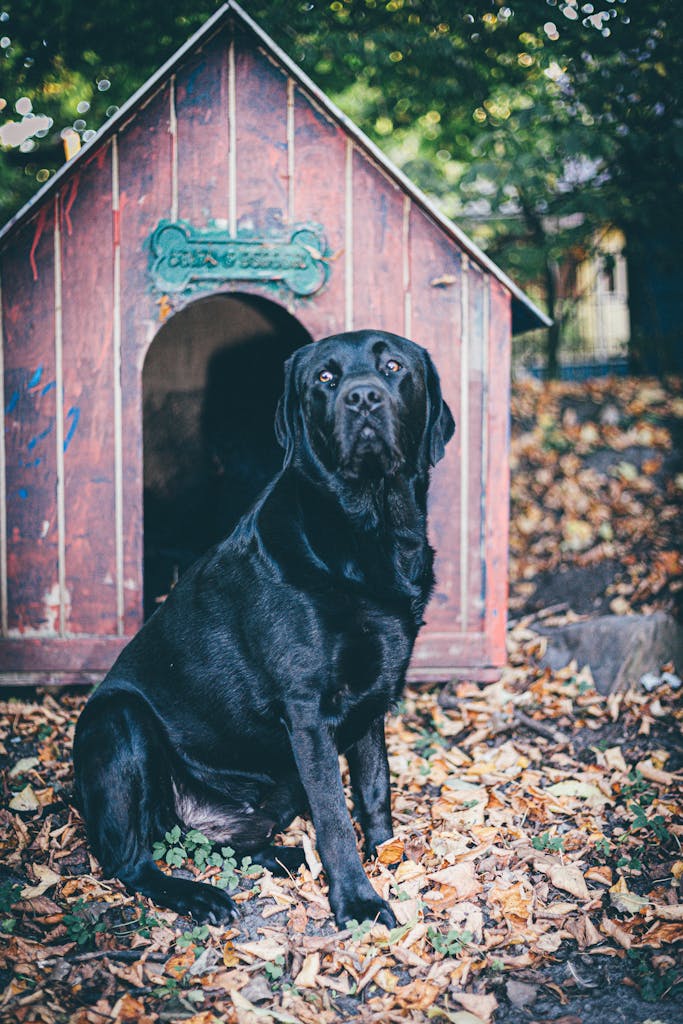
For homesteaders and farm owners in colder regions, basic shelter isn’t enough. We have covered the top choices in detail in our Best Insulated Dog Houses for Large Dogs guide. When multiple dogs share a space, they provide significant body heat, but their combined breath also creates high levels of moisture. Always prioritize houses with adjustable ventilation to vent this humidity while retaining warmth.
Common Problems With Multi-Dog Shelters
- Ventilation Issues: Multiple dogs breathing in a small, enclosed space will lead to condensation. If you see frost on the inside walls or damp bedding, your ventilation is insufficient.
- Humidity: Dampness leads to mold, mildew, and potential skin infections.
- Overcrowding: If dogs are constantly fighting or one is sleeping outside, the shelter is likely too small or poorly designed for dual occupancy.
Features to Look for in Dog Houses for Multiple Dogs
Beyond the basics, your shelter must manage the complex thermal environment created by multiple dogs. Look for these design non-negotiables:
- Adjustable Ventilation Vents: While a house needs to be sealed, it must also “breathe.” Look for ridge vents or louvered openings near the roof peak. This allows warm, moist air to escape, preventing the “sauna effect” that leads to frost buildup and respiratory issues.
- Insulated Raised Floors: The ground is a massive “heat sink” that will pull warmth directly from your dogs’ bodies. Choose a model with integrated risers or feet that keep the floor at least 2–4 inches above the ground, creating a protective air gap.
- Offset, Oversized Entrances: A single, centered door acts like a wind tunnel. An offset or L-shaped entry creates a natural “baffle,” blocking direct wind from hitting the sleeping area. Wide openings also ensure that if one dog is resting near the door, a second dog can still enter or exit without conflict.
- Durable, High-Density Materials: Multi-dog shelters take a beating. Prioritize structural foam or reinforced rot-resistant cedar over thin, single-walled plastic. These materials are not only more chew-resistant but provide the structural rigidity necessary to handle the weight and movement of two large, active animals.
Owner Insights: The Reality of Multi-Dog Shelters
When you talk to those living on homesteads or managing working breeds, the “manufacturer’s recommended size” rarely matches reality. Here is the consensus from communities like r/homesteading and r/dogs:
- The “Straw vs. Blanket” Debate: Never use fabric bedding in an unheated outdoor shelter. Blankets trap humidity from the dogs’ breath and paws, becoming damp and then freezing solid—turning a warm bed into a block of ice. Stick to clean, dry wheat straw. Its hollow structure traps air for warmth while allowing moisture to pass through to the floor, where it can drain away.
- The “XL” Size Trap: Manufacturers often calculate “capacity” based on a dog standing still. Owners frequently report that an “Extra Large” house marketed for two dogs is often only comfortable for one. Measure your dogs while they are sleeping in their most sprawled-out position; you need that total footprint, plus room to stand up and turn around, to avoid overcrowding.
- The “Moisture Math”: Two large dogs can produce over a pint of water vapor overnight just through their breath. Many experienced owners suggest “custom venting”: if the factory vents seem small, don’t be afraid to drill extra holes near the roof peak. It is better to have a slightly cooler house that stays dry than a warm house that is damp.
FAQ
Can two large dogs share a dog house?
Yes, two large dogs can share a house, provided they have a strong bond and the house is sized appropriately. It is vital to ensure the shelter is large enough for both to stand and turn around separately, and having two entrances is highly recommended to prevent resource guarding.
What size dog house fits two dogs?
A dog house for two dogs should follow the “combined length + 25%” rule. Measure both dogs’ nose-to-tail length, add them together, and add 25% for maneuvering space. The house must be wide enough for both to lie down comfortably without touching walls.
Is it better for dogs to sleep together?
It depends on the individual dogs. Many dogs enjoy the extra warmth provided by huddling in cold weather. However, you should monitor them for signs of stress, such as one dog being forced to sleep outside or persistent squabbling. Always provide an alternative, separate shelter if needed.
Are insulated dog houses good for multiple dogs?
Yes, insulated houses are excellent for multiple dogs. Because dogs are natural radiators, a well-insulated, correctly sized house will trap their combined body heat efficiently. However, you must prioritize ventilation to manage the extra humidity produced by two dogs.
Final Verdict: The Path to a Happy Multi-Dog Home
When choosing the right shelter for your dogs, prioritize the ASL Solutions Dog Palace for extreme winter protection, or the Trixie Natura Dog Cabin if you need a durable, aesthetic option for a backyard.
Ultimately, the success of a shared dog house depends on proper sizing, adequate ventilation, and choosing a structure that suits your specific climate. Your Pre-Purchase Checklist:
- The Measurement Rule: Always measure your dogs while they are lying down in their favorite sprawl position. A house that fits a dog “standing up” is often too small for two dogs to share comfortably.
- Climate-Specific Prep: If you live in a high-humidity zone, prioritize houses with adjustable roof vents. If you are in a deep-freeze zone, look for models with thick EPS foam insulation and add a thick layer of straw bedding.
- Behavioral Monitoring: Regardless of the house you choose, observe your dogs during the first few nights. If one dog is consistently left outside or if there is persistent growling, consider adding a secondary, smaller shelter to act as a “pressure release” for the non-dominant dog.
- Maintenance Routine: A “truly” insulated house requires seasonal care. Before the first frost, seal any gaps, check the roof for leaks, and clear out the previous season’s bedding to ensure a fresh, dry environment.
By focusing on these practical details—rather than just the manufacturer’s weight limit—you will ensure your dogs stay warm, dry, and happy all winter long..