Everything about Nigerian Dwarf goats
What Is a Nigerian Dwarf Goat?
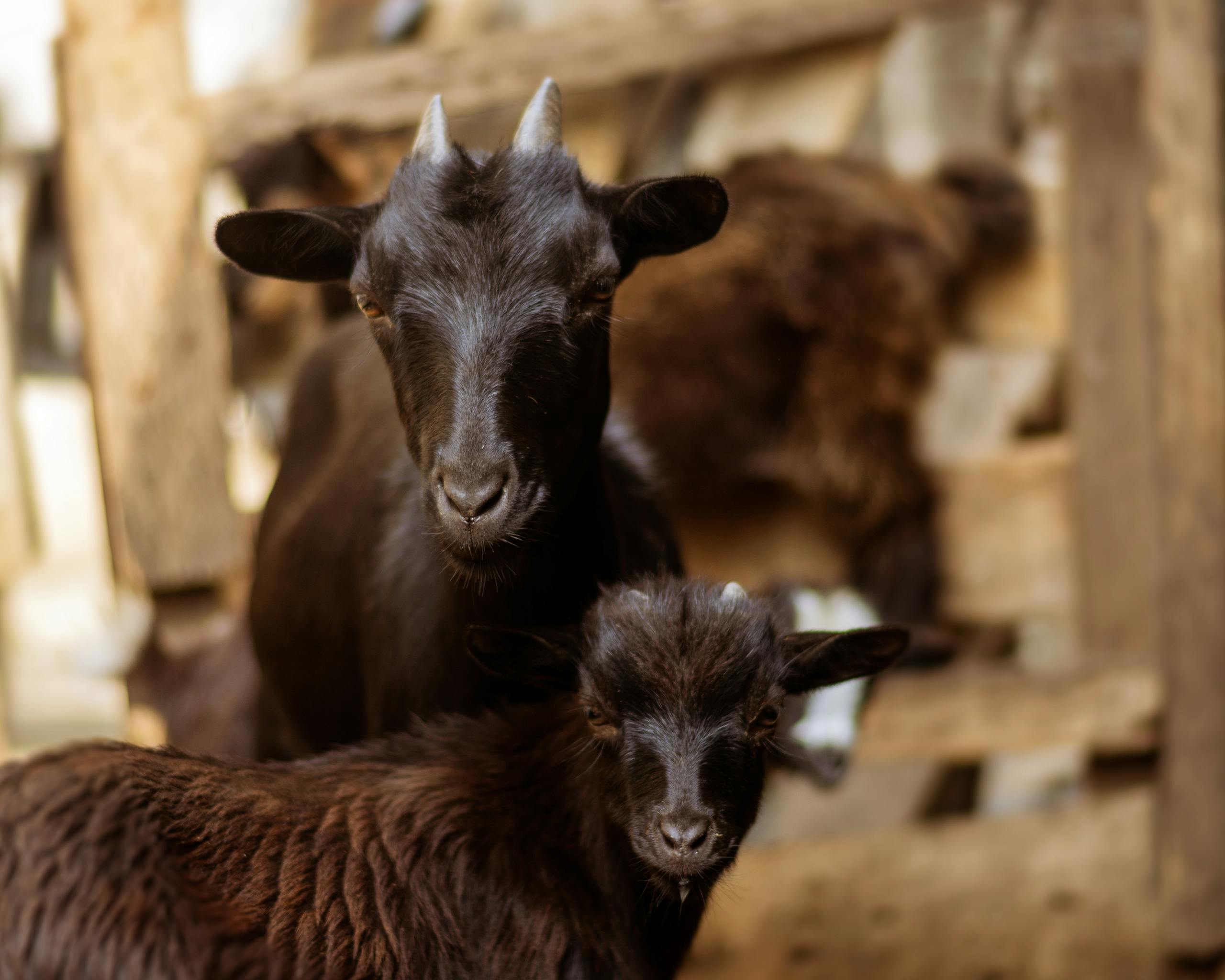
The Nigerian Dwarf goat is a small but mighty dairy breed that packs plenty of personality into a pint-sized frame. Think of them as the “fun-sized” version of a standard dairy goat — sweet, colorful, easy to manage, and surprisingly friendly.
Although they’re compact enough for most homesteads, Nigerian Dwarfs produce rich, high-butterfat milk (often 6–10% butterfat), which makes their milk ideal for homemade cheeses, soaps, yogurt, and butter. That creamy milk is a big reason hobby farmers love them.
Beyond milk, these goats are prized for:
- Friendly temperaments: people-loving and great with families and kids.
- Ease of handling: small size makes them simpler to move, fence, and care for.
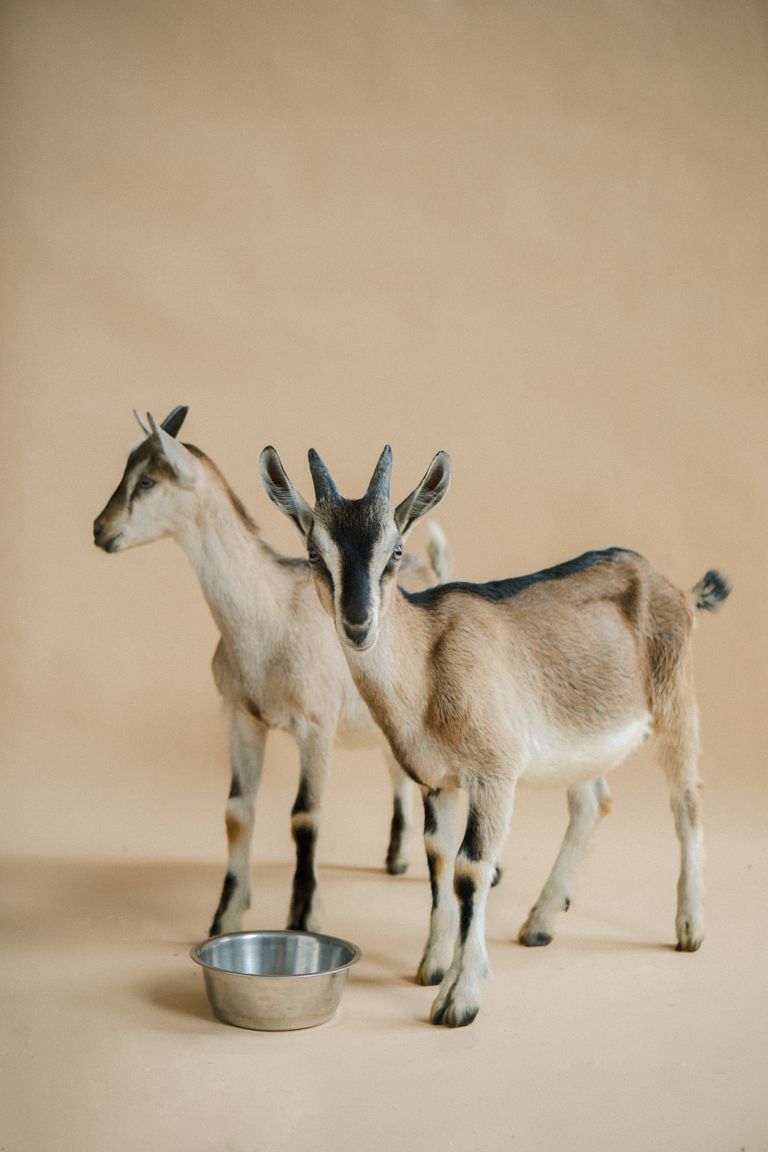
- Vibrant coat variety: moonspots, blue eyes, roans, tri-colors — lots of color and pattern options.
- Strong bonding: they often act like playful barnyard pups and enjoy attention and interaction.
Whether you’re a suburban homesteader, a first-time goat owner, or a seasoned farmer wanting low-maintenance dairy, the Nigerian Dwarf fits the bill — giving you charm, milk, and plenty of personality without needing acres of land.
History & Origin
Nigerian Dwarf goats originally came from West Africa, but they became well-loved in the U.S. because of their manageable size and excellent dairy production. Over time, selective breeding in American herds shaped the breed into the colorful, hardy goats we know today. Their bright personalities and ability to thrive on both small homesteads and larger farms helped them rise in popularity even faster. Today, they’re considered one of the most versatile miniature dairy goats in the country.
The breed is now fully recognised and registered by major dairy goat organization in the U.S., including the American Dairy Goat Association (ADGA), which outlines official breed standards and supports nationwide registration.
Size & Lifespan
Nigerian Dwarf goats stay small their whole lives — and honestly, that’s one of the biggest reasons folks fall in love with them. They’re compact, easy to handle, and fit beautifully into small farms, backyard homesteads, or family settings.
- Height: Typically 17–22 inches at the shoulder (about the size of a medium dog, but a lot more entertaining!).
- Weight: Around 60–75 pounds on average, though healthy adults can fall slightly above or below this range depending on genetics and diet.
- Lifespan: Generally 12–15 years, but with excellent nutrition, clean housing, and routine vet care many live into their mid-to-late teens — owners sometimes report goats reaching 16–18 years (and a few even close to 20).
Despite their small size, Nigerian Dwarfs are fully functional dairy goats with a sturdy build. Their compact frame means they’re gentler on fencing, easier to transport, and simple for kids or beginners to handle. They also mature early — many reach breeding size within the first year — so responsible owners separate young bucks and does to avoid surprise pregnancies.
Temperament
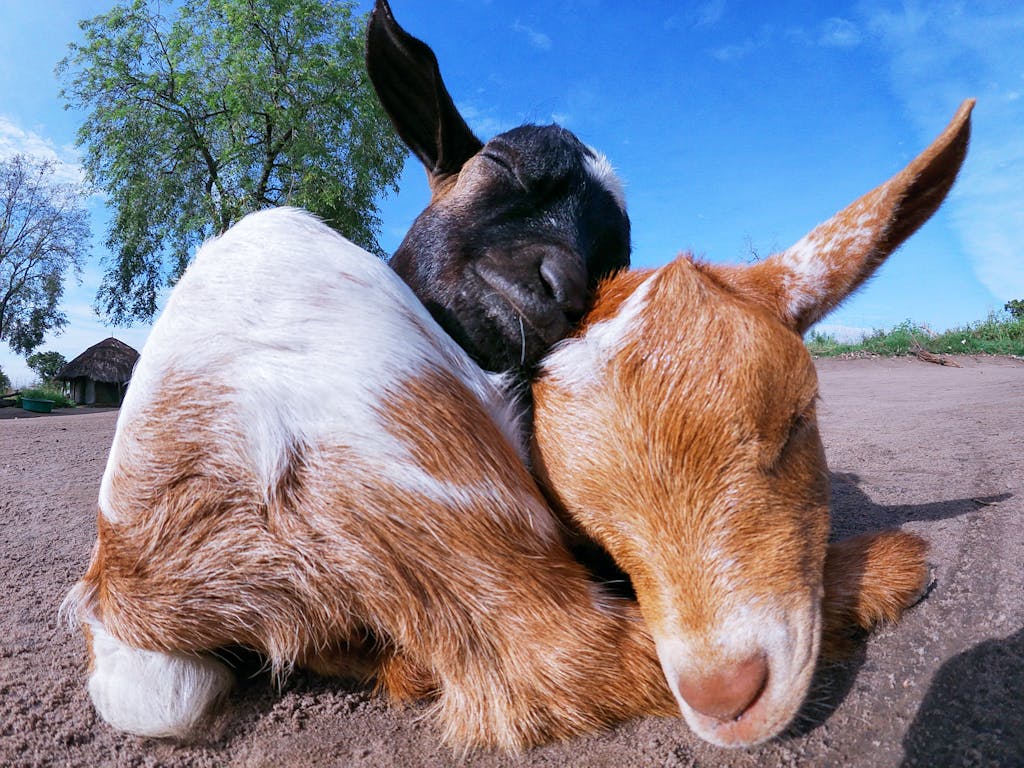
Nigerian Dwarf goats are incredibly friendly, curious, and playful animals that quickly win people over with their gentle nature. They bond easily with humans, enjoy being part of daily activities, and often behave much like dogs—following their owners around, asking for attention, and eagerly greeting anyone who visits. Their social personality also makes them great with kids and other animals, which is why families and small farms love having them around.
What’s the Difference Between Nigerian Dwarf, Mini, Micro & Miniature Goats?
This gets confusing fast, so here’s the simple version:
- Nigerian Dwarf: A recognized dairy breed; small but proportionate; registered.
- Pygmy Goat: Stockier meat-type goats; shorter legs; more round and muscular.
- Miniature/Mini Goats: A general term for any small goat breed.
- Micro Goats: A marketing term — not an actual breed; often used to describe runts.
Nigerian Dwarf goats are often compared to other small breeds like pygmy goats and mini goats. If you’re curious about the different miniature breeds, their care, and which might suit your homestead best, check out our detailed guide on Mini Goat Breeds: Raising Pygmy, Dwarf, and Other Mini Goats
How Much Do Nigerian Dwarf Goats Cost?
Nigerian Dwarf goat prices can vary quite a bit, depending on whether you’re looking for a pet, a milk producer, or show-quality stock. Think of it like buying a dog — a sweet family pet won’t cost nearly as much as a top-notch breeding goat.
Price Range
Here’s a general breakdown based on what most folks see in the U.S. market:
- Pet Wethers (castrated males): Usually around $75–$200. Perfect for a backyard companion or kids’ pet goat.
- Unregistered Does or Bucks: Typically $200–$450, depending on age, coat color, and quality.
- Registered or Show/Breeding-Quality Goats: Can range from $450–$1,200+, especially for strong dairy lines or rare, eye-catching colors like blue eyes or moonspots.
Real-World Example
At some farms, young females from milking lines can run $350–$450, while adult does can hit $500–$600 depending on lineage. Breeding bucks might go for $400–$500. Premium traits and strong dairy pedigrees can push the price even higher.
So, whether you’re after a friendly backyard goat or a productive little milk machine, you’ll find a price that matches your goals — and maybe even a goat that steals your heart (and your socks) in the process!
Factors Affecting Price
A few things can bump the price of a Nigerian Dwarf goat up or down. Here’s what to keep in mind:
- Registration (ADGA/AGS): Officially registered goats usually cost more since their pedigree is documented and traceable.
- Coat & Eye Color: Rare colors, patterns, or blue eyes can add a premium to the price.
- Milk Production History: Does with proven high-quality milk output are more valuable to homesteaders and breeders.
- Personality & Training: Friendly, social, or leash-trained goats can cost more because they’re easier to handle and integrate into your farm.
- Breeder Reputation: Reputable breeders who follow best practices and maintain healthy stock often charge higher prices.
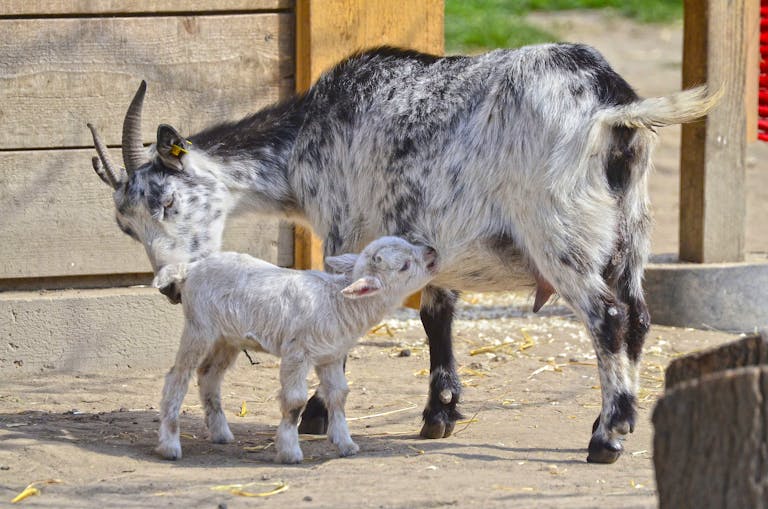
- Bottle-Fed vs. Dam-Raised: Bottle-fed kids are usually more social and friendly, which can increase their price.
- Age: Younger goats, especially doelings or bucks ready for breeding, are typically more expensive than older ones.
Keep these factors in mind when budgeting — a higher price often reflects better health, temperament, or future productivity!
Where to Buy Nigerian Dwarf Goats
If you’re ready to add some pint-sized charm to your homestead, you’ve got several options for finding Nigerian Dwarf goats. Whether you want a playful pet, a milking doe, or breeding stock, the key is buying from reputable sources.
Options for Buying
- Local Farms & Breeders: The best way to get a healthy, social goat is to visit a farm. You can see the living conditions, meet the kids and adults, and ask the breeder questions about lineage and milk production.
- Online Marketplaces: Platforms like Openherd and LivestockMarket.com let you search for Nigerian Dwarf goats by state. Always check breeder reviews and ask for photos and vaccination records.
- Registered Breeders: For guaranteed pedigree and show-quality goats, check out the American Dairy Goat Association (ADGA) breeder directory. This ensures your goat is registered and comes from reputable lines.
Tips to Avoid Scams
- Never wire money to someone you haven’t met or verified.
- Ask for clear photos and documentation of the goat’s health, registration, and vaccination records.
- Visit the farm if possible — seeing the goats and how they’re raised is the best assurance of a quality purchase.
- Trust your gut — if a deal seems too good to be true, it probably is.
Buying from trusted breeders or farms ensures your Nigerian Dwarf goat arrives healthy, happy, and ready to become a beloved part of your homestead family. Once you find a good source, you’ll be one step closer to milking, playing, and laughing with your new mini dairy star!
Caring for Your Nigerian Dwarf Goats
Nigerian Dwarf goats are playful, charming, and pretty low-maintenance, but like any furry friend, they need the basics to stay healthy and happy. With the right feeding, housing, and health care, these pint-sized goats will thrive and give you years of enjoyment.
Feeding Your Mini Goats
High-quality hay should be the foundation of their diet, with fresh water available at all times. You can supplement with grains or goat feed, especially for growing kids, lactating does, or bucks in breeding season. Don’t forget a mineral block or loose minerals — they keep your goats strong and healthy!
Housing
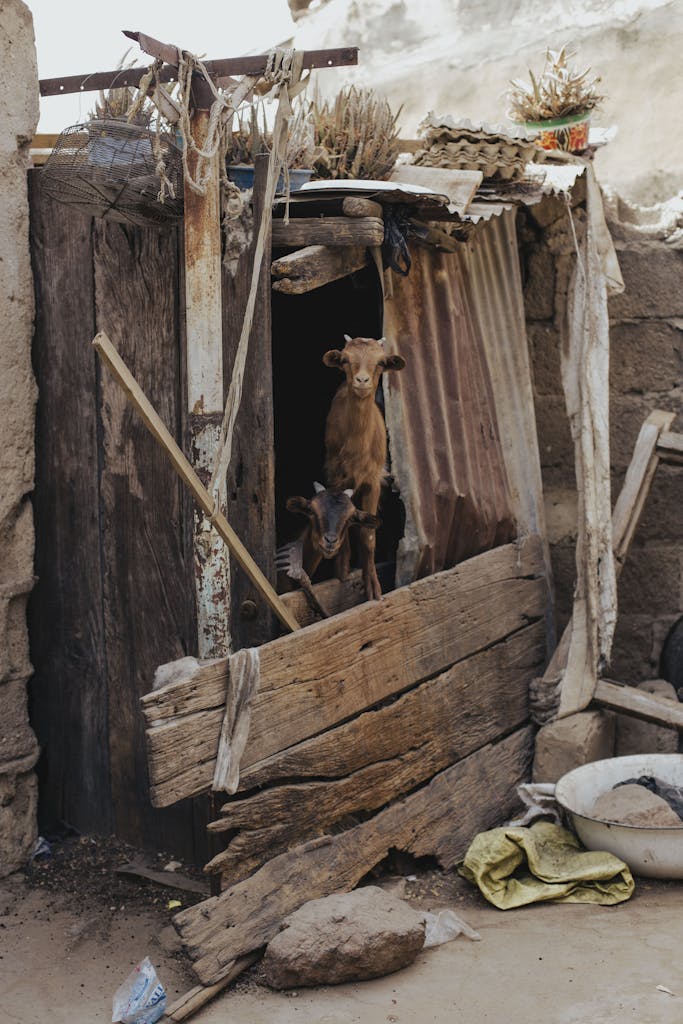
Even though they’re tiny, Nigerian Dwarfs need a safe, dry shelter with enough space to move around. Short fencing is usually fine, but make sure it’s sturdy — goats are curious and can squeeze through weak spots. A clean pen with dry bedding goes a long way in keeping them happy and healthy.
Health & Vet Care
Routine vaccinations, deworming, and hoof trimming are key. Regular checkups with a goat-savvy vet will help catch any issues early. And remember, Nigerian Dwarfs are social, so companionship is important — don’t keep a single goat alone.
Quick Checklist for New Owners
- Provide fresh hay, water, and minerals daily
- Secure and safe shelter with clean bedding
- Routine vet care, vaccinations, and deworming
- Regular hoof trimming
- Social interaction and playtime — goats love company!
With a little attention and care, your Nigerian Dwarf goats will stay healthy, happy, and full of personality — the kind of pets that make you smile every day!
Why Nigerian Dwarf Goats Make Great Pets
Honestly? Nigerian Dwarf goats are pure joy on four legs. They’re playful, curious, and full of personality — the kind of little farm friends that make you smile every single day. Here’s why they make such fantastic pets:
- Perfect Size: Small enough to fit comfortably in suburban homesteads or small backyards without taking over your yard.
- Kid-Friendly: Gentle and social, they’re safe and fun for children to interact with under supervision.
- Friendly & Social: They love human attention, bond quickly with owners, and often follow you around like a tiny, four-legged shadow.
- Low Maintenance: They don’t eat a ton of feed and don’t need massive pastures — perfect for new goat owners.
- Adorable & Colorful: From striking black and chocolate to golden roans and spotted coats, their colorful patterns and expressive eyes make them irresistibly cute.
- Milk Producers: Despite their small size, they can give 3–4 pounds of milk per day, with butterfat content around 6–10%, making them practical for a small homestead.
- Personality Plus: They’re playful, mischievous, and full of energy. You’ll often catch them hopping, climbing, or doing funny little goat antics that make daily chores way more entertaining.
In short, Nigerian Dwarf goats aren’t just pets — they’re little companions that bring laughter, charm, and a touch of farm magic into your life. Whether you’re looking for a gentle family pet, a milk producer, or just some backyard entertainment, these miniature goats have it all.
Bringing the Joy of Nigerian Dwarfs Home
Nigerian Dwarf goats are more than just small, colorful farm animals — they’re companions full of personality and charm. Their manageable size, friendly nature, and surprisingly rich milk make them perfect for families, homesteads, or first-time goat owners. With proper care, these goats can live a long, happy life, providing years of fun, laughter, and fresh milk. Whether you’re looking for a playful backyard buddy or a miniature dairy goat, they’re a delightful addition to any farm. In short, welcoming Nigerian Dwarfs into your life means adding a little joy and a lot of heart to your homestead.
Frequently Asked Queries
What is the Nigerian Dwarf goat lifespan?
They typically live 12–15 years, and with proper care, some can live even longer.
How long do Nigerian Dwarf goats live?
On average 12–15 years, depending on diet, care, and environment.
How big do Nigerian Dwarf goats get?
They usually stand 17–22 inches tall and weigh 60–75 pounds, making them compact but sturdy.
How long are Nigerian Dwarf goats pregnant?
Gestation lasts around 145–155 days, which is roughly 5 months.
What do Nigerian Dwarf goats eat?
They eat high-quality hay, fresh browse, supplemented grains or goat feed, and need clean water daily.
How much meat comes from a Nigerian Dwarf goat?
Meat yield is small, usually around 25–35 pounds dressed weight, as they are primarily dairy or pet goats.
Are Nigerian Dwarf goats good for meat?
Not really — they’re better suited for milk production, pets, or hobby farms rather than commercial meat.
How many Nigerian Dwarf goats per acre?
Around 6–8 goats per acre if pasture is well-maintained and rotated, due to their small size and browsing habits.
How much do Nigerian Dwarf goats cost?
Pet wethers $75–$200, unregistered does or bucks $200–$450, and registered or show-quality goats $450–$1,200+.
How much is a Nigerian Dwarf goat?
Prices range from $75–$1,200+, depending on age, registration, and purpose (pet, milk, or breeding).
How much are Nigerian Dwarf goats?
Same as above — typically $75–$1,200+ based on breeder, bloodline, and intended use.