Easy Homesteading Guide for Beginners
Homesteading for Beginners: Building Your Self-Sufficient Lifestyle
Starting a homestead can be one of the most rewarding journeys you will ever undertake, combining practical skills, patience, and creativity. Moreover, it provides a unique opportunity to connect directly with the food you eat and the lifestyle you lead. At first, it may feel overwhelming because there are so many elements to consider, including animals, gardens, tools, and financial planning. However, you don’t need acres of land or decades of experience to begin. Whether you live in a small backyard, a suburban home, or on several acres, you can start learning homesteading skills immediately. The key is to start small, experiment, and grow gradually, allowing yourself to learn from each step along the way.
Why Homesteading Matters Today
In recent years, homesteading has experienced a remarkable surge in popularity. Many people are drawn to this lifestyle for several reasons. Firstly, self-sufficiency is a powerful motivator. Growing or raising a portion of your own food reduces reliance on grocery stores and industrial food systems, which can be unreliable or expensive. Secondly, homesteading fosters a deep connection to nature and the environment. By working with your land, plants, and animals, you develop an appreciation for the natural world that is difficult to achieve in urban settings.
Finally, homesteading encourages a simpler and more intentional way of living. For example, learning to preserve food or raise chickens teaches patience, responsibility, and resilience. Even if complete self-sufficiency seems daunting, achieving meaningful independence on a smaller scale is entirely possible. By starting with a few chickens, a small garden, and basic preservation skills, you can already experience significant rewards in both satisfaction and quality of life.
Crafting Your Homesteading Vision
Before purchasing land or acquiring animals, it is essential to define your homesteading vision. In addition, asking the right questions will help you focus your efforts. Consider: Do I want to live on-grid, partially off-grid, or completely off-grid? Which animals or crops fit my space and lifestyle? Will I eventually generate income from my homestead, or is it purely for personal use? How much time and energy can I realistically dedicate each week? By answering these questions, you can create a structured roadmap and avoid feeling overwhelmed.

For example, if your ultimate goal is to grow your own wheat, start by baking bread with store-bought flour. Then gradually experiment with whole grain flours, source grains locally, and finally plant your own wheat when you have the space, experience, and confidence. Each step provides learning opportunities and ensures you are ready for the challenges ahead. Furthermore, involving your family or partner is crucial. If everyone is committed, it strengthens your team and increases the chances of long-term success. Clear communication, realistic expectations, and defined roles can prevent burnout and conflicts.
Financial Planning: Budgeting and Managing Costs
Homesteading has associated costs, even at a small scale. Seeds, animal feed, fencing, tools, and building materials can add up quickly. Therefore, financial planning is essential. For most beginners, it is advisable to pay off debt before fully committing to the homesteading lifestyle. In addition, creating a flexible budget allows you to allocate resources efficiently and reduce financial stress. Cutting 10% from discretionary expenses such as entertainment or dining out may provide the extra funds needed for seeds, feed, or tools.
Moreover, thinking creatively about expenses is key. Can you borrow tools from friends, purchase used equipment, or sell surplus produce or animals to recoup costs? For example, planting extra vegetables to sell at a farmers’ market or raising a few additional chickens to sell eggs can help offset expenses while teaching valuable business skills. Always research regulations in your area regarding selling produce, livestock, or homemade products to ensure compliance and avoid fines.
Evaluating and Maximizing Your Space
Your property will largely determine what homesteading activities are feasible. Key considerations include sunlight exposure, shade areas, water access, soil quality, and local zoning laws. For instance, sun-loving crops should be planted where they receive at least six hours of direct sunlight, while shade-tolerant plants can thrive in less sunny areas. Similarly, proximity to a water source is vital for animals and irrigation. Evaluating soil quality through tests or observing drainage patterns helps identify which crops will perform best. Even if you are on a temporary property, practicing gardening and small-scale animal care is valuable. Consider it a trial run to gain experience before investing heavily in a permanent homestead.
Furthermore, carefully planning your layout can save time and reduce frustration. Identify where animals will live, where gardens will be located, and how tools and equipment will be stored. While you may need to make adjustments over time, thoughtful planning minimizes unnecessary work and helps your homestead function efficiently.
Starting Small: Beginner-Friendly Homesteading Projects
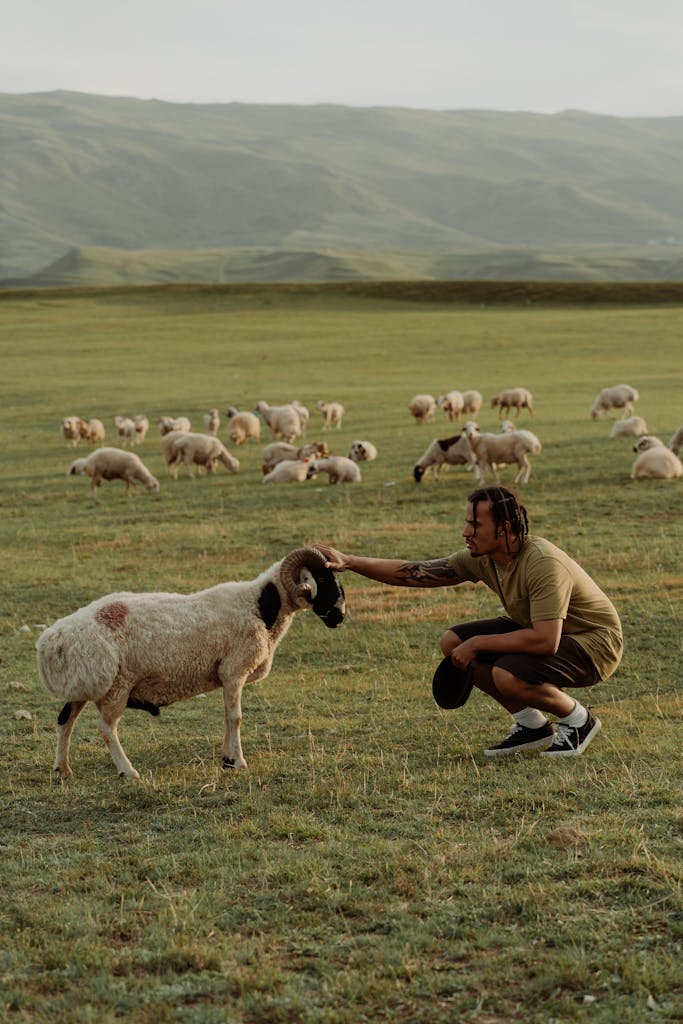
It is tempting to take on too many projects at once, but starting small is crucial to building long-term success. Beginner-friendly projects include vegetable gardens, small livestock, and pollinator-friendly plants. Vegetables like lettuce, tomatoes, and herbs are easy to grow and provide immediate rewards. Similarly, small animals such as chickens, rabbits, or bees teach responsibility and animal husbandry skills without overwhelming you. Herbs and pollinator plants enhance garden health, attract beneficial insects, and support ecosystem balance. In addition, these small wins build confidence and prepare you for more complex projects in the future.
Learning Through Experience: Handling Challenges
Homesteading inevitably comes with challenges, and learning to manage them is part of the journey. Animals may become sick, crops may fail, and equipment may break. However, hands-on experience is invaluable. For example, handling a chicken with a prolapsed vent may seem frightening initially, but with patience and research, you learn how to care for the animal and prevent similar problems in the future. These experiences teach resilience, problem-solving, and adaptability. Remember, even the most experienced homesteaders face setbacks, and each challenge is an opportunity to learn and improve your skills.
Expanding Your Skills: Beyond Gardening and Animals
Homesteading is about much more than just animals and gardens. Developing practical skills will allow you to thrive independently. For example, learning food preservation techniques such as canning, freezing, and drying ensures you can enjoy your harvest year-round. Composting and soil management improve productivity and sustainability. DIY skills, including building coops, fences, or simple shelters, reduce dependence on outside services. Additionally, basic first aid for both humans and animals is essential to avoid small problems escalating into emergencies. Ultimately, these skills give you confidence and help create a resilient homestead.
Planning for Livestock
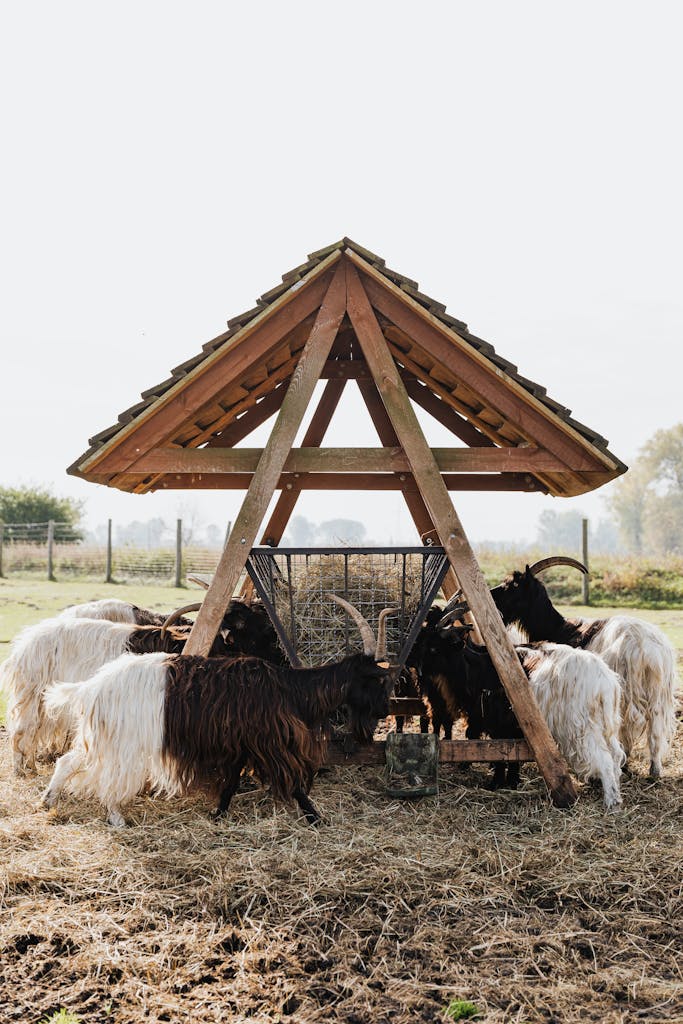
Even if you are not ready to acquire livestock, understanding their care is beneficial. Researching cattle, pigs, chickens, or bees gives insight into the space, feed, and time commitment required. For instance, learning about breed selection, feed types, shelter needs, and basic butchering or dairy processing prepares you for future responsibilities. In the meantime, you can experiment with store-bought products to practice using all parts efficiently, such as bones or organ meats, before raising your own animals. This preparation ensures a smoother transition when you scale your homestead.
For new users we suggest to get pygmy goats and if you are in US and looking for one then read this blog.
Seasonal Planning and Crop Rotation
Effective homesteading requires planning around seasons. Implement companion planting, succession planting, and crop rotation to maximize yields and maintain soil fertility. For example, planting nitrogen-fixing crops alongside vegetables improves soil health, while rotating crops reduces the risk of pests and diseases. Additionally, planning which crops to preserve and how to store them ensures food security throughout the year. By anticipating seasonal cycles, you can make your homestead both productive and resilient.
Building a Sustainable Routine
Consistency is key in homesteading. Establish daily routines for feeding animals, watering and tending crops, harvesting and preserving produce, and maintaining tools and equipment. These routines prevent small issues from escalating into major problems. In addition, tracking tasks in a journal or planner helps prioritize work and measure progress. Over time, these routines create a rhythm that makes the homesteading lifestyle more manageable and enjoyable.
Financial Sustainability: Making Your Homestead Pay
Homesteading can also be financially sustainable if approached strategically. Selling surplus produce, seedlings, eggs, honey, or handmade preserves can offset costs. Furthermore, offering workshops, tutorials, or online content can generate additional income. Always research local regulations before selling any product. Starting small and scaling gradually allows you to reinvest profits into expanding your homestead while maintaining financial stability.
Dealing with Setbacks and Frustrations
Even the most careful plans can be disrupted by unexpected challenges. Crop failures, sick animals, or equipment breakdowns will occur. However, viewing setbacks as learning experiences rather than failures is essential. Maintaining patience, documenting lessons learned, and seeking guidance from experienced homesteaders or online communities will help you overcome obstacles. Over time, your confidence will grow, and these challenges will feel more manageable.
Long-Term Growth: Scaling Your Homestead
As experience and confidence increase, gradually expand your homestead. Introduce new crops, animals, and projects in stages, ensuring you are prepared for the additional workload. Eventually, you may scale to a small business selling produce, eggs, or handmade products. By pacing your growth, you avoid burnout and ensure your homestead remains sustainable and enjoyable. Remember, homesteading is a marathon, not a sprint.
Embracing the Homesteading Lifestyle
The rewards of homesteading are both tangible and intangible. Fresh, home-grown meals, self-sufficiency, and a deeper connection to nature create a lifestyle that is rich in satisfaction and purpose. In addition, each small daily effort—planting herbs, collecting eggs, preserving vegetables—accumulates over time, resulting in a meaningful, self-reliant life. Ultimately, homesteading is not just about what you grow or raise; it’s about the independence, confidence, and joy you cultivate along the way. Start your journey today, no matter your space, experience, or age, and enjoy every lesson along the way.
If you are still feeling stuck and want some reliable, science-backed guidance, the USDA’s resources for beginning and small-scale farmers can be of your help.