American Pekin Duck Buying Guide for Homesteaders in the US
If you’re looking for a friendly, hardy, and highly productive duck breed for your backyard or small farm, then the American Pekin is one of the best birds you can raise. Known for its signature bright white feathers, calm personality, and impressive meat and egg production, the American Pekin duck has become the most popular domestic duck breed in the United States. Whether you’re searching for Pekin ducks for sale, comparing their characteristics, or planning to raise ducklings, this guide will walk you through everything you need to know.
What Is an American Pekin Duck?
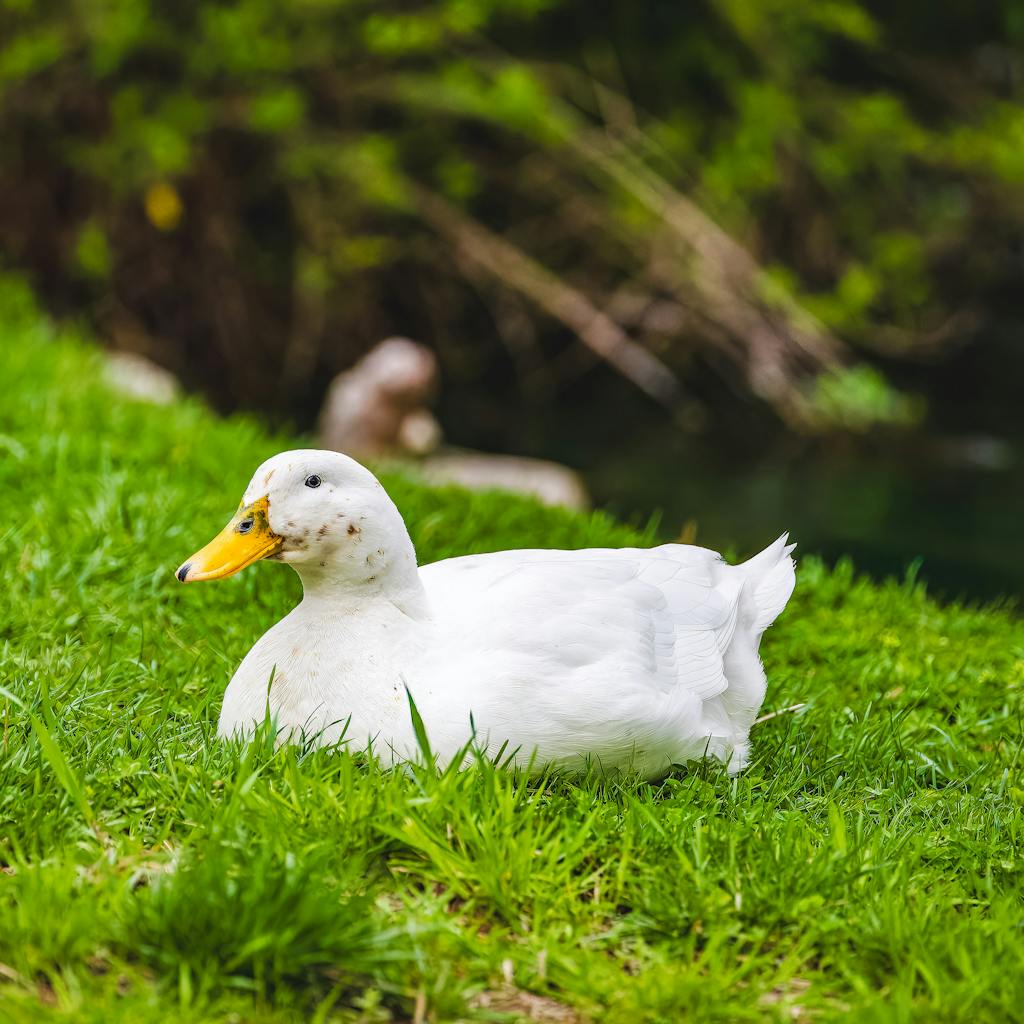
The American Pekin duck—often simply called a Pekin duck or white Pekin duck—is a large, domesticated duck breed originally brought to the U.S. from China in 1873. In 19th century these ducks were reared on Long island , New York, which is why they are also called Long Island Duck. They are also well known for their rapid growth, distinctive white plumage, and gentle temperament. Because of their impressive size and productivity, these white fluffballs have become a popular duck breed for commercial meat production, including the famous Pekin duck meat used in restaurants.
History
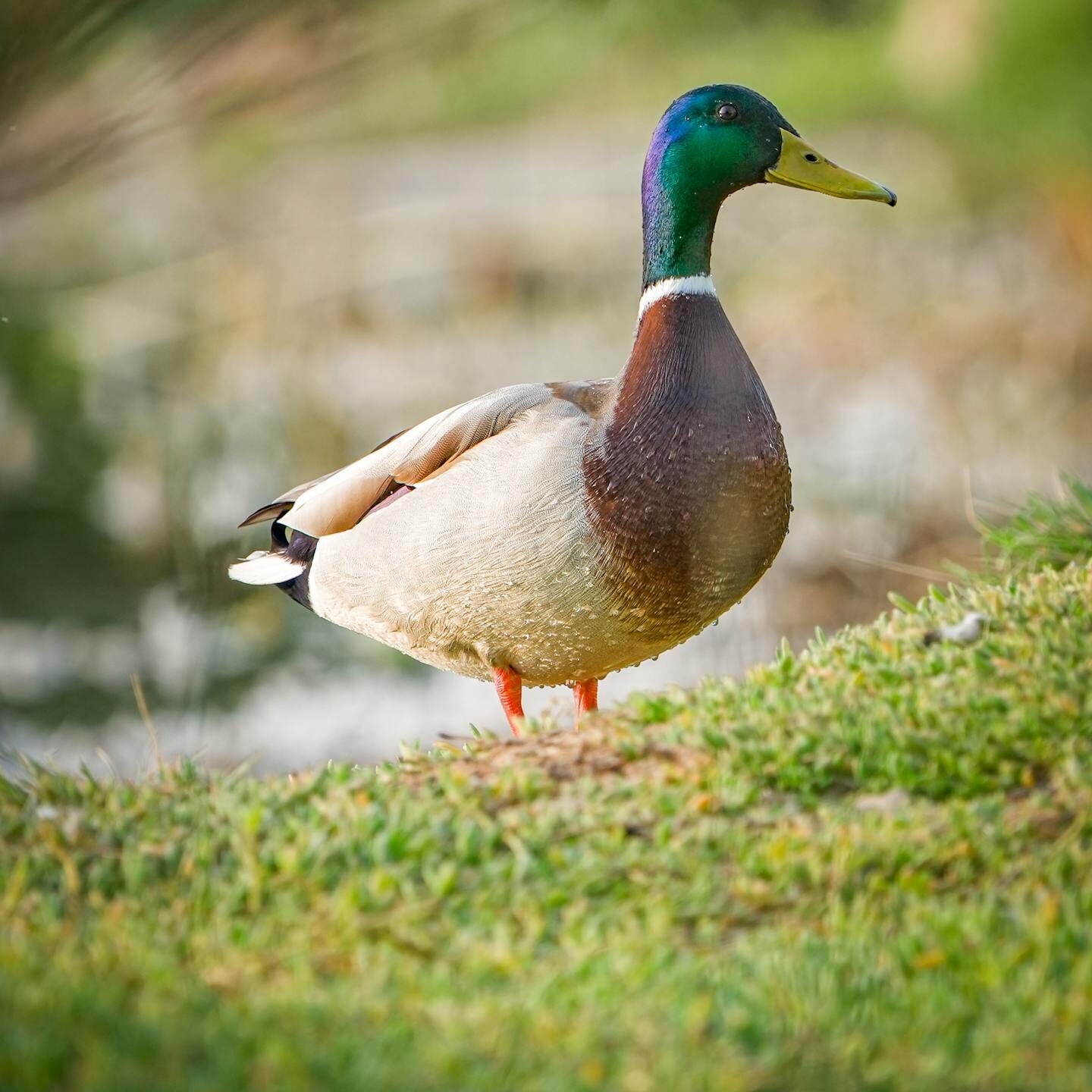
The mallard, a wild duck species, was domesticated around 3,000 years ago—or possibly even earlier—and this long process of domestication eventually gave rise to the modern Pekin duck. Early duck breeding was widely practiced in China, where farmers selectively developed a heavy, fast-growing breed known as shi-chin-ya-tze (十斤鴨子), meaning “ten-pound duck,” which later became the foundation of the American Pekin. Scientifically, the American Pekin is classified as Anas platyrhynchos domesticus, confirming that it is a domesticated subspecies of the mallard, even though its appearance today looks very different from its wild ancestors.
These ducks were brought to America from Beijing. fifteen ducks were dispatched, but only nine reached America, out of which five were eaten and the rest four were left alive. These four birds were the foundation stock for the American Pekin. The Pekin was included in the American Poultry association . It was soon in used in slaughterhouses across the US. Before the arrival of Pekin, Americans raised Cayuga for meat.
Similar types of ducks were raised in British Aylesbury and there it gave rise to the famous British Aylesbury duck. Additionally, some birds were imported in United Kingdom in 1872 and soon they reached Germany, where it gave rise to the German Pekin, a separate breed. That’s enough history for today, lets move to the Characteristics.
Characteristics
If you’re on the fence about getting Pekins, know this — their traits make them a top pick for homesteads, small farms, or backyard flocks. Let’s dig into what sets them apart — their appearance, temperament, and productivity — so you know exactly what you’re signing up for
Appearance

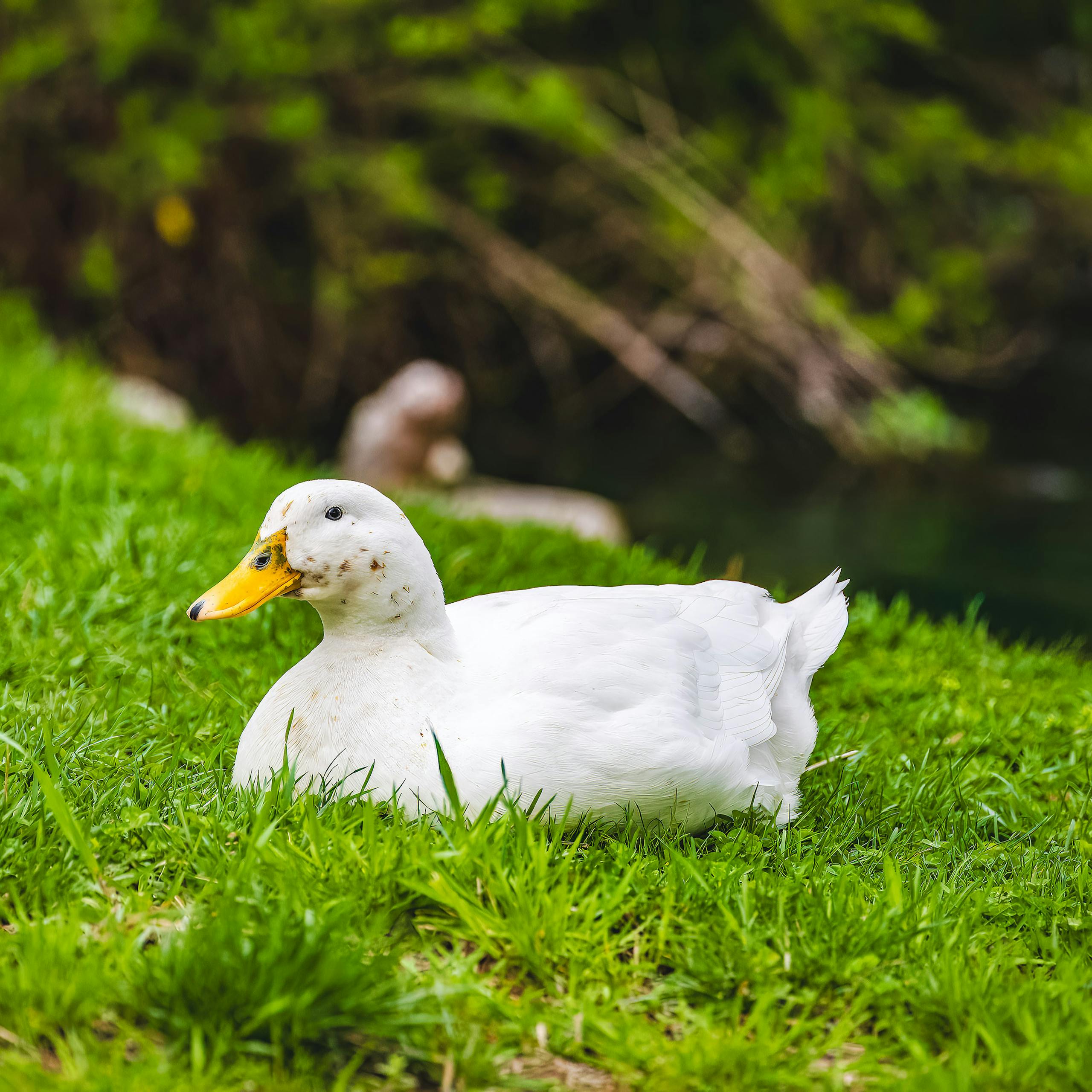
The American Pekin stands out with its classic clean look: soft, bright white plumage that sometimes carries a creamy tinge, especially on younger birds.
Their bill is a bold yellow-orange, complemented by sturdy orange webbed feet — a combination that’s as practical as it is easy on the eyes.
Body-wise, Pekins are built like a duck tank: broad, deep-breasted, and rectangular when viewed from the side. Their upright stance and solid frame give them extra meat yield and a rugged look compared to sleeker duck breeds.
Adults typically weigh in around 8–11 pounds: drakes (males) usually hit the higher end of that range, and hens a bit lighter — making them substantial birds once fully grown.
Pro Tip: If you want ducks that are easy to spot, simple to raise, and produce good meat, Pekin’s bold white-and-orange appearance means you’ll always know where they are in the yard — even in dim light.
Temperament
One of the biggest reasons I love Pekins is their laid-back, friendly nature. They handle confinement well, adapt easily to backyard setups, and generally get along peacefully with other poultry or farm animals.
They’re calm, not easily spooked — in fact, many keepers report their Pekins will follow them around the yard, come for treats, or even beg like little feathered dogs.
If you’re new to ducks, that’s a major plus. Rather than skittish, nervous birds, Pekins are predictable, easy to herd, and rarely cause chaos. Because of that, they make excellent “first ducks” for beginners.
Note: Pekins are not strong fliers — their heavy builds and short wings mean they stay grounded (so you don’t have to worry about them escaping the coop).
Productivity of White Peckin
Where Pekins truly shine — and why so many small farms run them — is their productivity: both in eggs and meat.
Egg Production
Although primarily known as meat ducks, Pekin hens still lay very well. Under good care, many produce around 150–200 large white eggs per year — sometimes even more.
Pekin eggs are typically larger than chicken eggs, making them great for baking or cooking. And for those homesteading for self-reliance, a few hens can supply a steady stream of eggs all year round.
That said, not all Pekins are equal — because there are different strains, some may lay more, others a bit less. If eggs are your priority, talk to the breeder about strain and egg-laying history before purchasing.
Meat Production
On the meat side, Pekins are hard to beat. They grow quickly — many reach butchering weight (around 7–9 pounds) in just 7–8 weeks under proper feeding and care.
Their broad, full breast and heavy build mean more meat yield per bird. The meat tends to be tender and mild-flavored compared to heavier, gamey duck breeds.
For dual-purpose farms (eggs + meat), that’s a huge advantage.
American Pekin Duck Lifespan
If you’re wondering about the American Pekin duck lifespan, the average range is:
- Domestic backyard Pekin lifespan: 5–12 years
- Commercial production lifespan: Often much shorter due to meat harvesting
A well-cared-for American Pekin with clean water, a balanced diet, and safe housing can live more than a decade. If you’re comparing other breeds, this is a fairly long life expectancy for a large domestic duck.
American Pekin Lifespan vs. Pekin Duck Life Expectancy
There is a lot of confusion between American Pekin and Pekin duck. People search online for Pekin duck life expectancy and American Pekin lifespan. Both terms refer to the same breed.
So, yes—the lifespan of a Pekin duck and American Pekin duck is the same.
American Pekin Duck Eggs
The American Pekin duck eggs are one of the most attractive features of this breed:
Egg Production
- 150–200 eggs per year on average
- Large, white eggs with thick shells
- Richer taste compared to chicken eggs
Pekin eggs are excellent for baking, scrambling, and frying. Their yolks are bigger and bolder, and many bakers prefer them because they make baked goods fluffier and richer.
Pekin Duck Eggs vs. Chicken Eggs
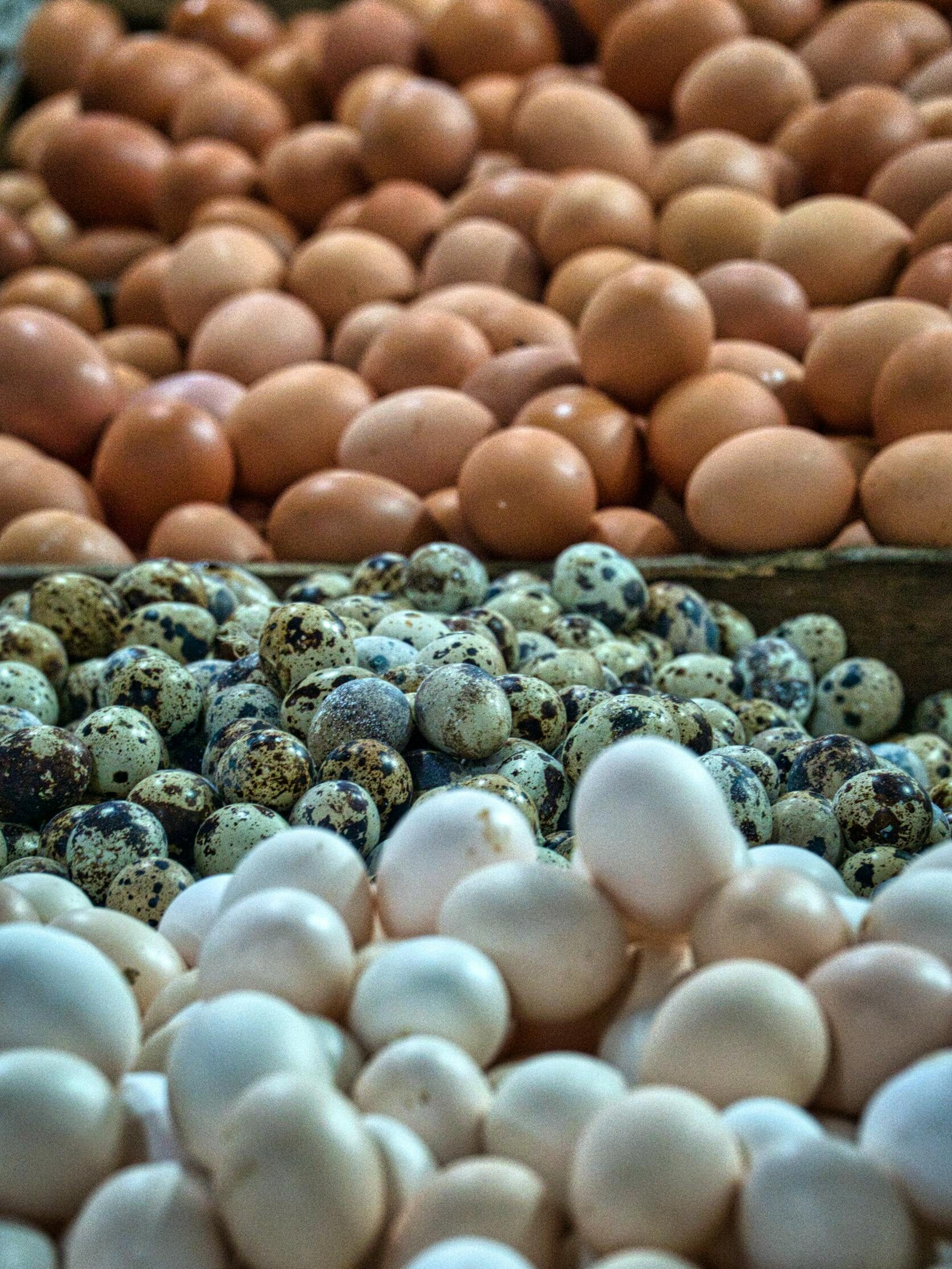
On a working homestead, comparing Pekin duck eggs vs. chicken eggs usually comes down to both nutrition and kitchen performance. While chicken eggs are more common, many homesteaders find that Pekin duck eggs offer several practical advantages once they start collecting them regularly.
Key Differences at a Glance
- Larger size: Pekin duck eggs are noticeably bigger, often equal to one and a half chicken eggs.
- Higher nutrient density: They typically contain more fat, protein, and essential vitamins.
- Richer flavor: The yolks are creamier and deeper in taste.
- Better for baking: Higher fat content improves moisture, texture, and rise in pastries.
Why Homesteaders Prefer Pekin Duck Eggs
In everyday homestead cooking, Pekin duck eggs quickly prove their value. Because of their higher fat content, baked goods tend to stay moist longer, making them ideal for breads, cakes, and cookies. Many bakers intentionally substitute duck eggs when they want richer results, especially for holiday baking or market sales.
Another advantage is their thick shells, which reduce cracking during collection and washing. This makes them easier to store and transport, whether you’re selling locally or stocking your pantry for winter.
Does the American Pekin Make a Good Pet?
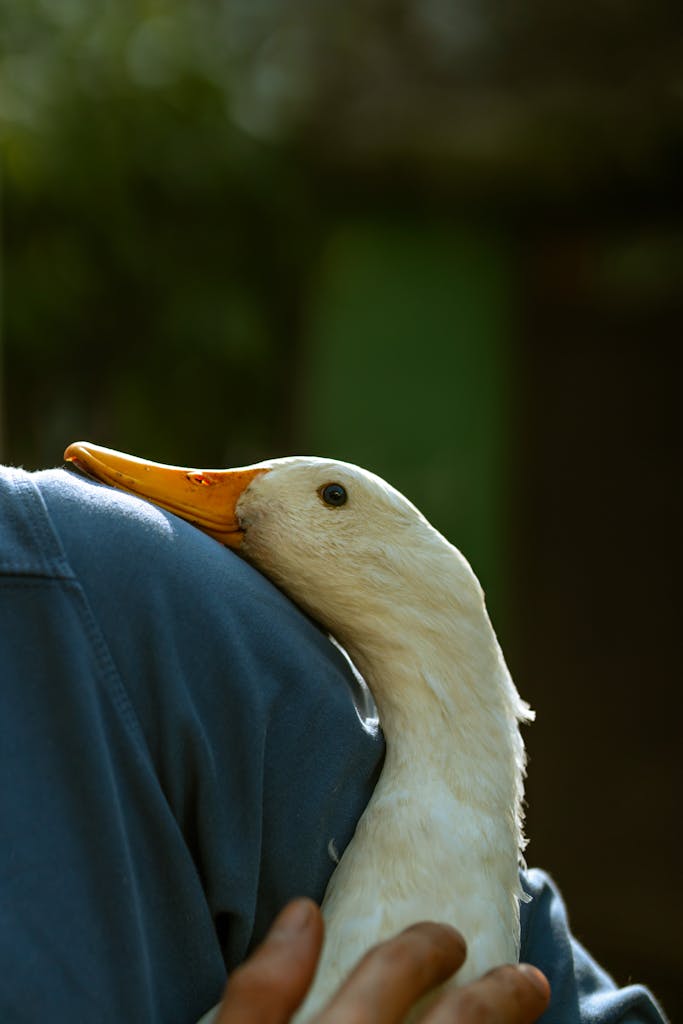
Yes, the American Pekin duck makes an excellent pet, especially for homesteads and family backyards. These ducks are calm, friendly, and easy to care for, which makes them a great choice for beginners. Additionally, they are gentle around children and are not flighty or aggressive like some other duck breeds. Thanks to their hardy nature, American Pekins adapt well to most climates. However, it is important to remember that they are messy waterfowl. Therefore, they need adequate space, constant access to fresh water, and secure housing at night to stay healthy and safe.
White Pekin Duck for Sale & American Pekin Ducks for Sale
When looking for white Pekin duck for sale or American Pekin ducks for sale, you’ll usually find several buying options depending on how hands-on you want to be with the raising process. Most homesteaders start with hatching eggs or day-old Pekin duck ducklings, while others prefer started juveniles that are past the brooder stage and easier to manage. More experienced keepers may seek out adult pairs, especially if the goal is breeding or immediate egg production.
In my experience, the most reliable places to buy Pekins include local farms, where you can see how the birds are raised, as well as reputable hatcheries and trusted online poultry suppliers that specialize in waterfowl. Prices generally vary based on the bird’s age, overall quality, and bloodline, with show or Jumbo Pekins often costing more. Whenever possible, ask about health history, feed type, and vaccination practices to ensure you’re bringing strong, healthy ducks onto your homestead.
American Pekin Duck for Sale: Costs and What to Expect
If you’re searching for American Pekin duck for sale, pricing can vary quite a bit depending on age, source, and whether you’re buying hatchery stock or more mature birds. From hatchery listings and online sellers, you’ll typically see day-old Pekin ducklings priced around $5–$15 each, with most hatcheries falling in the $6–$10 range for straight run or unsexed ducklings.
For older or started birds (juveniles that can go straight to pasture or laying pens), prices commonly range from about $20–$40 depending on size and condition. Breeding pairs can command higher prices (around $50–$80+ or more), especially if they’re proven layers or come from quality lines.
If you decide to hatch your own, fertile Pekin duck eggs for hatching can vary widely too — some hatcheries sell hatching eggs by the dozen or in bulk, with prices that may be a bit higher due to shipping and handling costs.
Keep in mind that these are just bird purchase prices — they don’t include feed, waterers, shelter, or brooder setup, which are essential parts of responsible homestead duck keeping. Planning your budget for these add-ons ensures a smooth transition from purchase to having healthy ducks thriving on your farm.
A Few Things to Keep in Mind
Because no animal is perfect, here are some honest nuggets from long-time Pekin keepers:
- Pekin hens are often not good sitters — they tend to lay eggs but rarely brood. So, if you plan to hatch ducklings naturally, you might need to use an incubator.
- Their heavy, fast-growing bodies mean they need balanced nutrition — especially niacin and proteins — so their legs and joints develop well. Poor nutrition can lead to leg problems.
- While calm and friendly, they still benefit from clean water and a pond/kiddie pool. They love to dabble and bathe — it helps keep their skin, feathers, and general health in top shape.
Why Pekin Ducks are Great for Homestead
For folks running small farms, backyard setups, or starting out with waterfowl, Peckin ducks will be your perfect poultry because it checks out all the boxes:
- Low-hassle and beginner-friendly temperament
- Good egg layers and fast meat birds — dual purpose saves time and space
- Hardy, adaptable to most climates and conditions
- Friendly “pet potential” — some of our hens follow us around and nudge for snacks
- Affordable, readily available from many hatcheries
If you’re new to raising livestock and learning the ropes, this is exactly the kind of bird you want to start with. And if you’re brand new to the lifestyle itself, be sure to check out our in-depth guide on homesteading for beginners to build a solid foundation before adding animals to your setup.