Marsh Farming: Transforming Soggy Soil into a Productive Farm
Marsh Farming Explained: What Food Is Grown in Swamps and Wetlands?
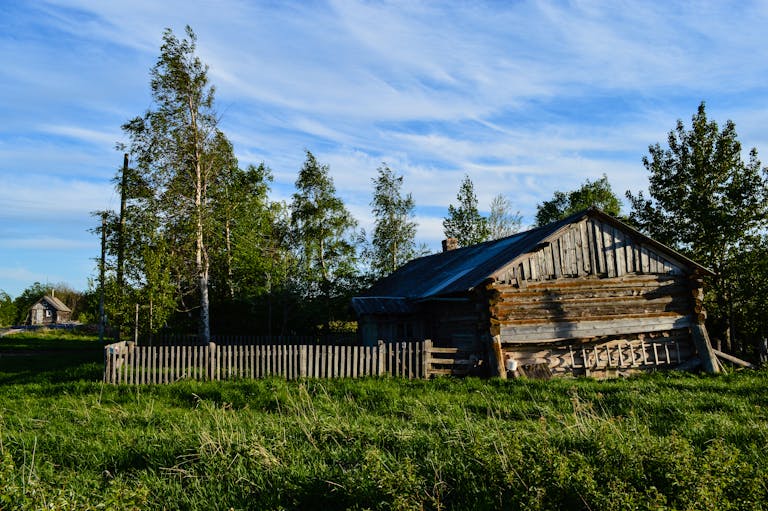
In recent years, marsh farming has quietly moved from an ancient practice to a modern solution. As climate change, flooding, and soil degradation affect farms across the United States, more homesteaders and small farmers are asking an important question: Can wet land be productive instead of a problem? The answer, surprisingly, is yes.
Marsh farming—also known as swamp farming or paludiculture—is the practice of growing food and useful crops in wet, waterlogged, or flooded landscapes rather than draining them. Instead of fighting water, marsh farming works with it. For many homesteaders dealing with seasonal flooding, poor drainage, or low-lying land, this approach can unlock food production where traditional farming fails.
This guide explains what marsh farming is, its history, what foods are grown in wetlands, and how modern homesteads can apply these ideas in practical, regenerative ways.
What Is Marsh Farming?
Marsh farming is an agricultural system designed for wetlands, swamps, and flood-prone land. Rather than draining water away, this method keeps soils wet and grows plants that naturally thrive in saturated conditions.
Today, marsh farming is often referred to as paludiculture, a term used in regenerative agriculture and climate-smart farming. Paludiculture focuses on maintaining high water tables to protect soil carbon, prevent peat degradation, and support biodiversity while still producing food, fiber, or biomass.
For homesteaders, this means marshy ground doesn’t have to sit unused. With the right crops and planning, wetlands can produce reliable yields while improving environmental health.
A Brief History of Marsh and Swamp Farming
Marsh farming is far from new. Long before modern drainage systems existed, ancient civilizations learned how to farm wet landscapes successfully.
One of the most famous examples comes from the Aztecs, who developed floating farms called chinampas over 1,000 years ago. These were raised garden beds built on shallow lakes using woven reeds and organic material, anchored by willow trees. The roots created a natural cage that prevented soil erosion while allowing constant access to water and nutrients.
Similar techniques appeared worldwide. In parts of Europe, farmers created willow-based wetland systems where tree roots stabilized soil. In Asia, flooded rice paddies became a foundation of food security for millions.
These historical systems prove an important point: wetlands are not wastelands. When managed thoughtfully, they can be among the most productive agricultural landscapes on Earth.
What Food Is Grown in Marsh Farming?
One of the biggest misconceptions about swamp farming is that food options are limited. In reality, many of the world’s most nutritious and calorie-dense crops thrive in wet conditions. When planning your marsh, think of your crops in three categories: Staple Grains, Root Crops, and Perennial Fruits.
Common Food Crops Grown in Marsh Farming
- Rice and Wild Rice: The ultimate marsh staples. While white rice requires specific paddy management, Northern Wild Rice (Zizania palustris) is a native North American powerhouse that grows beautifully in shallow, slow-moving water and provides more protein than most other grains.
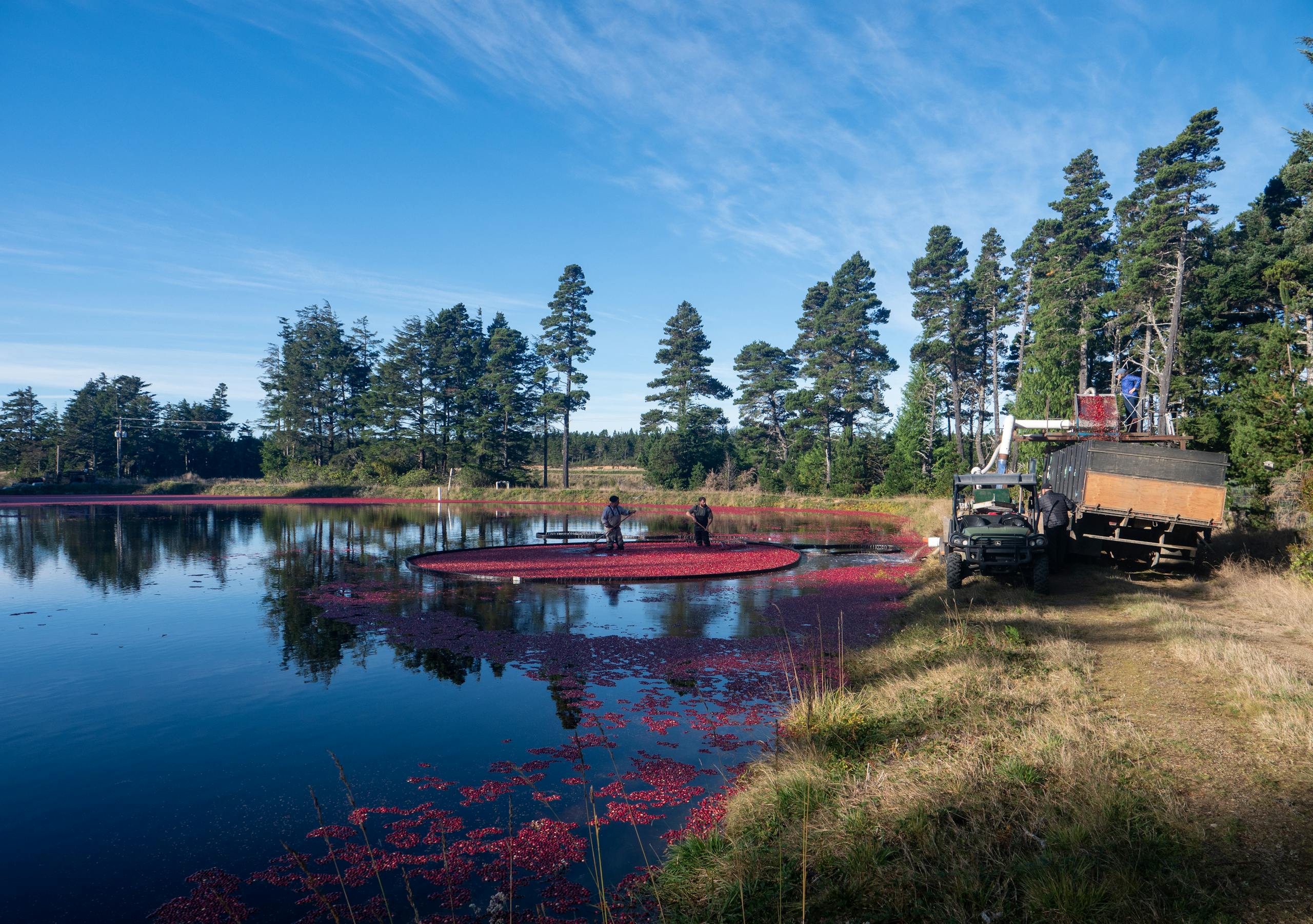
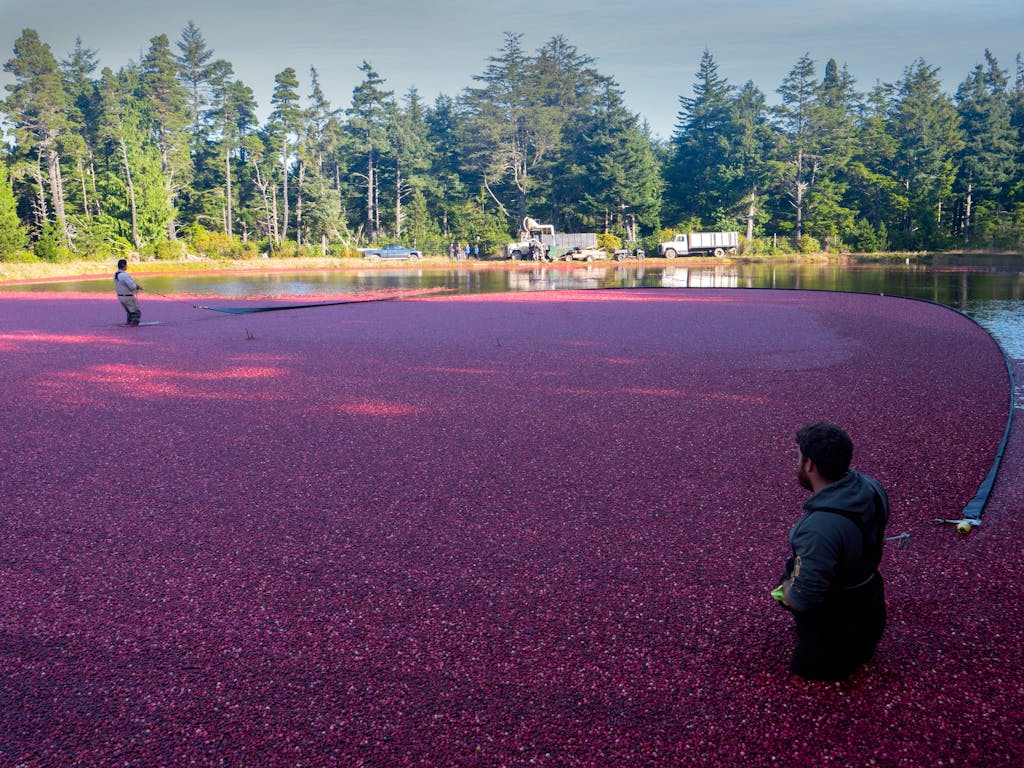
- Cranberries & Lingonberries: These are perfect for acidic, boggy soils where other fruits fail. They are high-value “cash crops” for small homesteaders because they can be frozen or processed into value-added jams.
- Taro & Lotus Root: These are the “potatoes of the swamp.” Taro provides heavy starch yields in warm, wet climates, while Lotus root offers a crisp texture and stunning flowers that add aesthetic value to your water garden.
- Water Chestnuts & Arrowroot: These tubers grow entirely submerged in mud. They are excellent for calorie production in small footprints like farm ponds or intentional wetlands.
- Cattails (The “Supermarket of the Swamp”): Every part of the cattail is edible. The young shoots taste like asparagus, the pollen is a flour substitute, and the starchy roots can be roasted or ground into meal.
- Elderberries: Naturally found along marsh edges, these are the “medicine chest” of the homestead. They tolerate “wet feet” and provide high yields for immune-boosting syrups.
- Pecans & Shellbark Hickories: In wet bottomlands or floodplains, these deep-rooted trees thrive. They provide a long-term investment in protein and healthy fats without requiring annual planting.
Why These Crops Thrive
Many of these plants have evolved specialized tissues called aerenchyma, which act like internal “snorkels” to bring oxygen down to their roots in waterlogged soil.
For the homesteader, this means:
- Reduced Competition: Most common garden weeds can’t survive in standing water, so your “pests” are naturally suppressed.
- Built-in Irrigation: You’ll never have to worry about a summer drought killing your marsh crops as long as the water table is maintained.
- Passive Harvesting: For crops like cranberries or water lilies, the water itself can often be used to help float the harvest to the shore, saving your back from heavy lifting.
Pro-Tip for US Homesteaders:
When selecting your crops, check your USDA Hardiness Zone. While Taro and Lotus love the heat of the South (Zones 8-11), Wild Rice and Cranberries are the champions of the North (Zones 3-6). Matching your marsh crop to your climate is the secret to a low-stress harvest.
Vegetables and Edible Plants for Wet Homesteads
Beyond major commodities like rice, marsh farming supports an incredible variety of smaller-scale food crops. These are ideal for “marginal land”—those spots on your property that are too soggy for a tractor but too rich to leave fallow.
The “Wet-Feet” Garden List
In swampy or marsh-edge soils, you can successfully cultivate:
- Water Spinach (Kangkong): A powerhouse leafy green that grows so aggressively in wet heat that it’s often treated as a perennial. It’s a great spinach substitute for the hot, humid summers of the American South.
- Watercress: Thrives in cool, shallow, moving water. It is one of the most nutrient-dense greens on the planet and can be harvested throughout the winter in many US zones.
- Sorrel: This perennial herb loves damp soil and provides a sharp, lemony flavor in early spring when other greens are still dormant.
- Groundnuts (Apios americana): A native North American vine that produces edible tubers and beans. It was a staple for Native Americans and thrives in the moist thickets along marsh edges.
- Mint, Lemon Balm, and Bee Balm: These herbs are notorious for “taking over” traditional garden beds, but in a marsh system, their aggressive growth is an advantage. They stabilize soil and provide endless harvests for teas and tinctures.
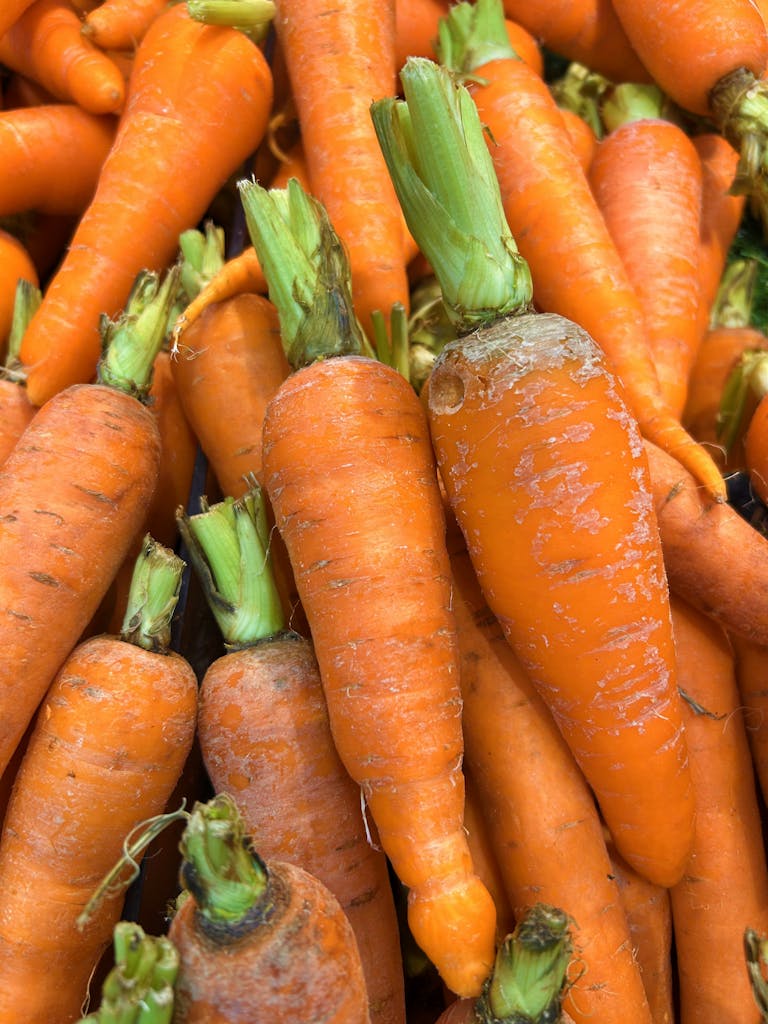
- Rhubarb & Asparagus: While they don’t want to be submerged, they are incredibly thirsty plants. Planting them on “hummocks” (raised mounds of soil) just inches above the water line allows them to drink deeply without rotting.
Strategic Planting: Using the “Edge Effect”
To get the most out of these plants, homesteaders should use succession planting based on the water table:
- The Saturated Zone: Use for Watercress and Water Spinach. The soil here is always “mucky.”
- The Transition Zone: Use for Sorrel, Mint, and Groundnuts. This soil feels like a wrung-out sponge.
- The High-Water Edge: Use for Asparagus, Rhubarb, and Elderberries. These plants love the high humidity and constant moisture but need their crowns to sit just above the actual water level.
Homesteader Tip: If your land is too wet for a specific vegetable, don’t dig a ditch—build a mound. By piling up organic matter (logs, leaves, and compost) to create small islands, you create “micro-climates” that allow you to grow traditional garden veggies right in the middle of a swamp.
Materials and Non-Food Crops from Marsh Farming
Food is only part of the story. Wetland farming also produces valuable materials that support farm infrastructure.
Useful Marsh-Grown Resources
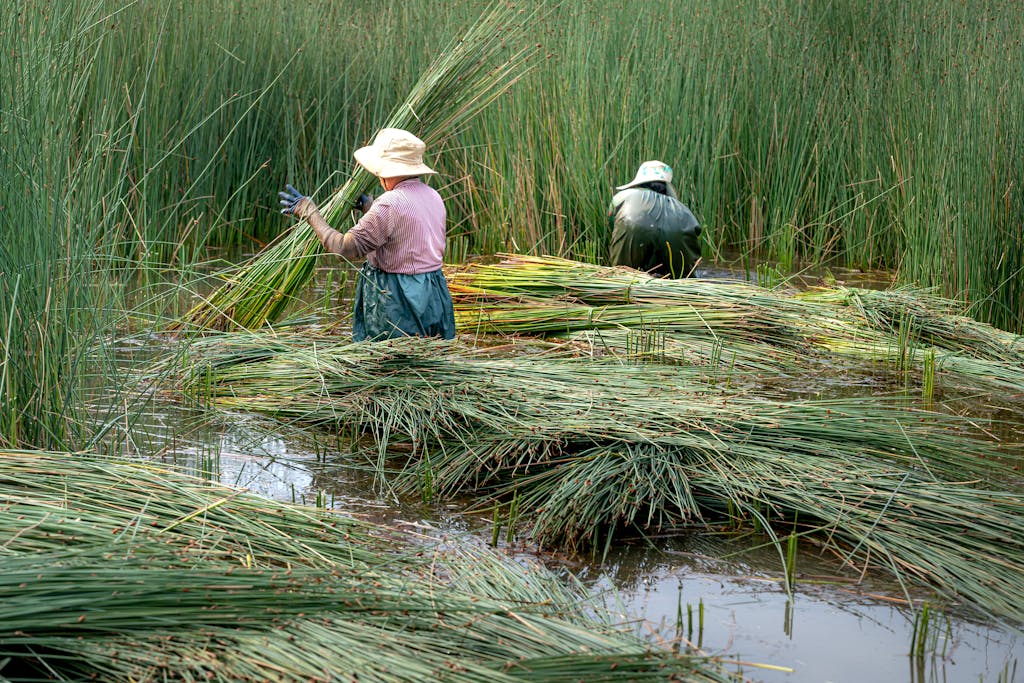
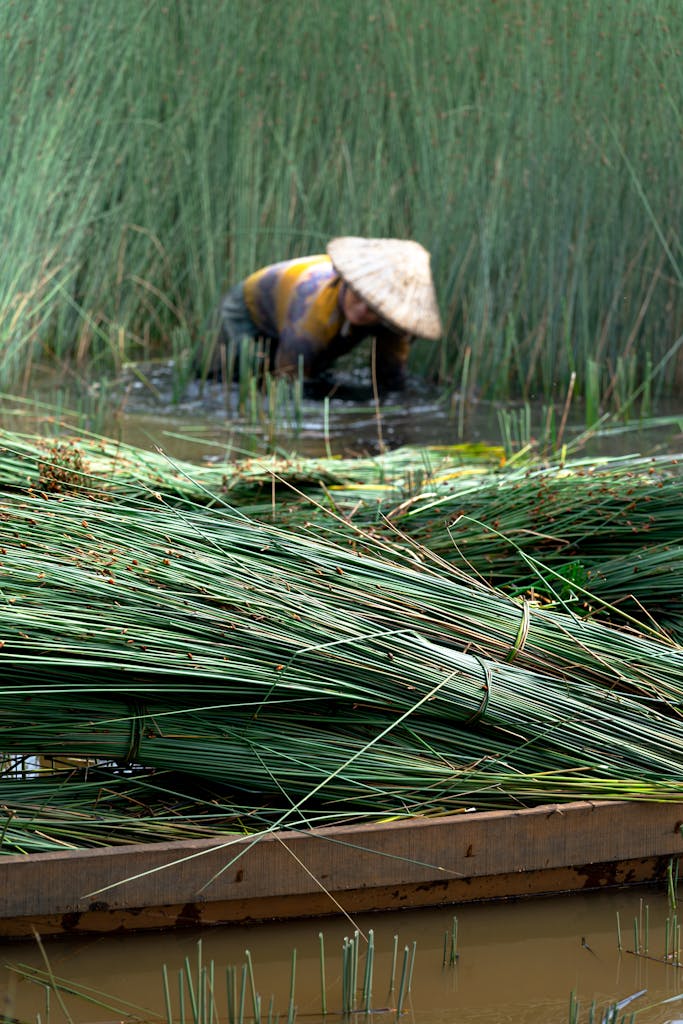
- Reeds and bulrushes for thatching and fencing
- Sedges and grasses for insulation and animal bedding
- Willows for basketry, erosion control, and living fences
- Mosses for soil conditioning and animal care
For regenerative homesteads, these materials reduce reliance on imported building supplies and create closed-loop systems.
Modern Paludiculture and Regenerative Agriculture
In modern regenerative agriculture, paludiculture plays a critical role in climate resilience. Draining wetlands releases stored carbon into the atmosphere. Keeping them wet prevents emissions while maintaining productive land use.
From a regenerative perspective, marsh farming offers several benefits:
- Long-term carbon storage
- Improved water filtration
- Reduced erosion
- Increased wildlife habitat
- Enhanced soil biology
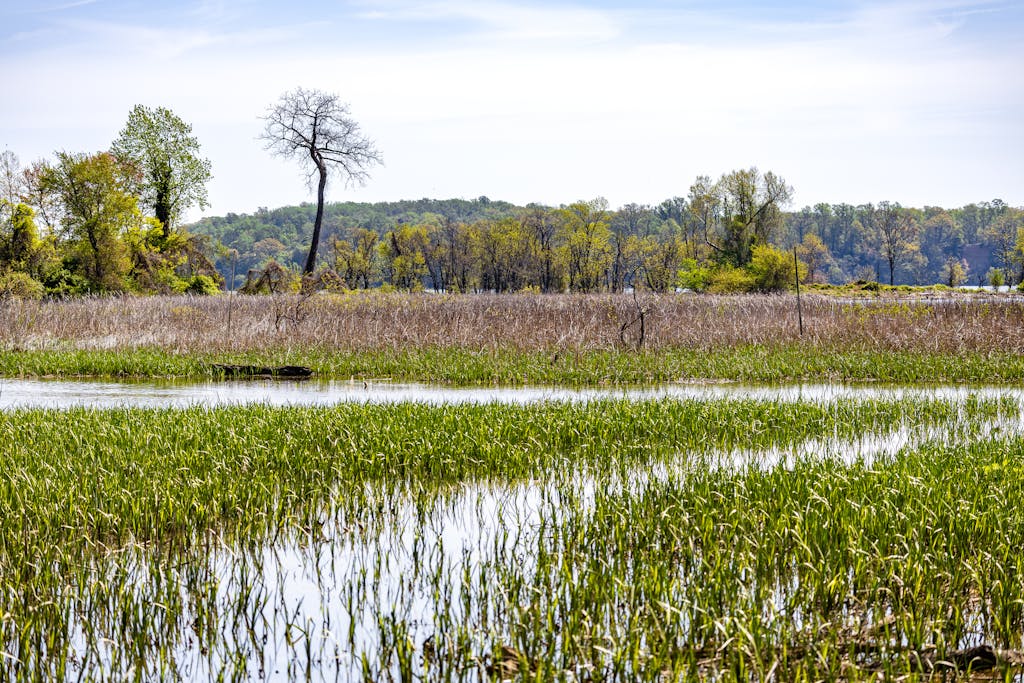
For small farms facing increased rainfall or unpredictable weather, this approach can stabilize production rather than reduce it.
How Marsh Farming Works on Small Homesteads
You do not need acres of wetlands to practice marsh farming. Many homesteaders start small by adapting flood-prone areas or creating shallow wet zones.
Practical Marsh Farming Methods
- Raised beds built with organic matter
- Shallow ponds with productive edges
- Seasonal flooding management
- Integrating ducks or geese for pest control
- Using willow or native plants to stabilize soil
Instead of draining land, water levels are managed gently, allowing plants and soil life to work together.
Water Management: Working With Nature, Not Against It
Traditional farming often treats water as an enemy. Marsh farming flips that mindset.
Instead of drainage tiles and pumps, marsh systems focus on:
- Slowing water movement
- Retaining moisture during dry periods
- Preventing nutrient runoff
- Supporting natural hydrology
For U.S. homesteaders dealing with heavy rains or seasonal floods, this approach reduces infrastructure costs while increasing resilience.

Livestock Integration in Marsh Farming Systems
Wetland farming pairs naturally with animals. Ducks, geese, and even pigs have historically been part of swamp-based food systems.
Ducks, in particular, thrive in marsh environments. They control insects, fertilize soil, and integrate well with rice or aquatic plants. Many homesteaders find that livestock make marsh farming more productive rather than more complex.
Is Marsh Farming Legal in the United States?
Regulations vary by state and county. Wetlands are often protected, so it’s essential to understand local rules before altering land.
In many cases, low-impact agriculture that preserves wetland function is allowed, especially when no drainage or filling occurs. Consulting local extension services or conservation offices ensures compliance while protecting ecosystems. Additionally, the USDA offers the Farmable Wetlands Program, which provides financial incentives and rental payments to farmers who restore and manage previously farmed wetlands.
Why Marsh Farming Matters for the Future of Homesteading
As weather patterns change, homesteaders must adapt. Marsh farming offers a practical path forward for land that might otherwise be written off as unusable.
Instead of draining, degrading, or abandoning wet areas, swamp farming transforms them into productive, regenerative spaces. For many small farms, this approach is not just sustainable—it’s necessary.
Frequently Asked Questions (FAQs)
What is marsh farming?
Marsh farming is a method of agriculture that grows crops in wet or flooded land instead of draining it. Also called swamp farming or paludiculture, it focuses on water-tolerant plants while preserving wetland ecosystems.
What food is grown in marsh farming?
Common foods include rice, wild rice, cranberries, taro, lotus root, water chestnuts, cattails, arrowroot, and certain berries and vegetables adapted to wet soil.
Is marsh farming suitable for small homesteads?
Yes. Many homesteaders successfully use marsh farming on flood-prone or poorly drained land by managing water levels and choosing appropriate crops.
What is paludiculture?
Paludiculture is a regenerative farming approach that keeps wetlands wet while producing food, fiber, or biomass. It protects soil carbon and supports biodiversity.
Does marsh farming help the environment?
Yes. Marsh farming improves water quality, reduces carbon emissions, prevents erosion, and supports wildlife while still producing usable crops.
Ready to grow your homestead beyond the marsh? If you found this guide useful, check out our other Helpful Homesteading Guides for a Profitable & Stress-Free Self-Sufficient Farm Life. Whether you’re managing water or building soil, we have the resources to help you succeed.