Great Pyrenees and Bernese Mountain Dog Mix
What Is a Great Pyrenees and Bernese Mountain Dog Mix?
If you’ve spent any time working a piece of land, you know that a good dog isn’t just a pet—they’re a partner. When you’re looking for a dog that can keep an eye on the sheep, haul a bit of weight, and still be gentle enough to sit on the porch with the grandkids, you’re talking about the Great Bernese.
A cross between the Great Pyrenees and the Bernese Mountain Dog, this mix is built for the rugged life. It’s a dog that understands the value of a hard day’s work and the importance of keeping the farmstead safe.
Where the Bloodline Comes From
To understand this Great Pyrenees and Bernese Mountain Dog Mix, you’ve got to look at the “parents.” Both come from high-altitude stock where the air is thin and the work is thick.
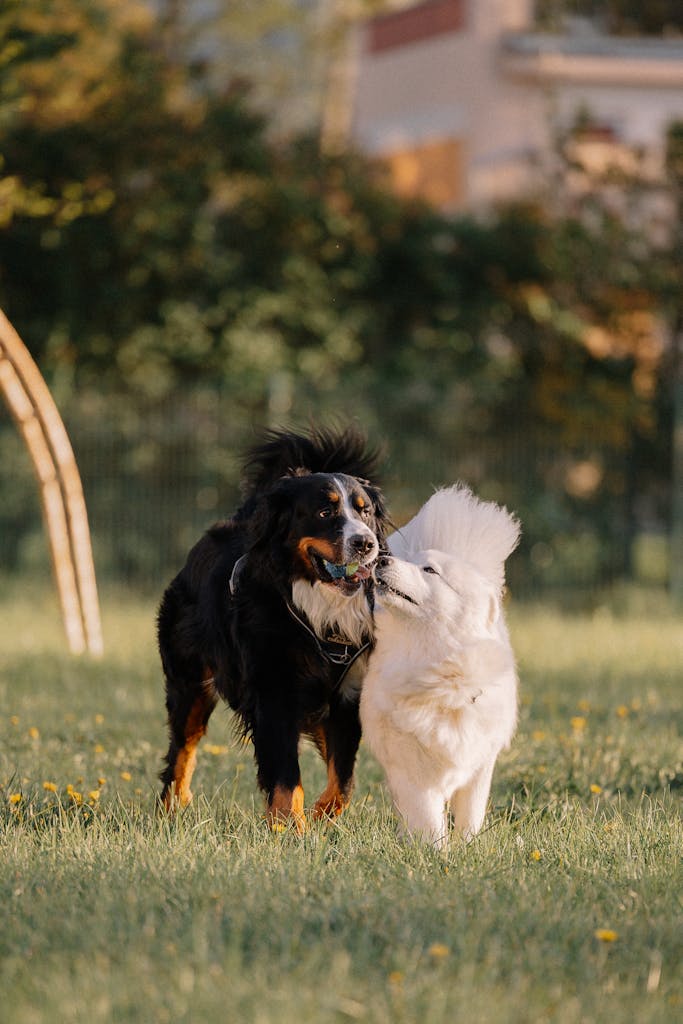
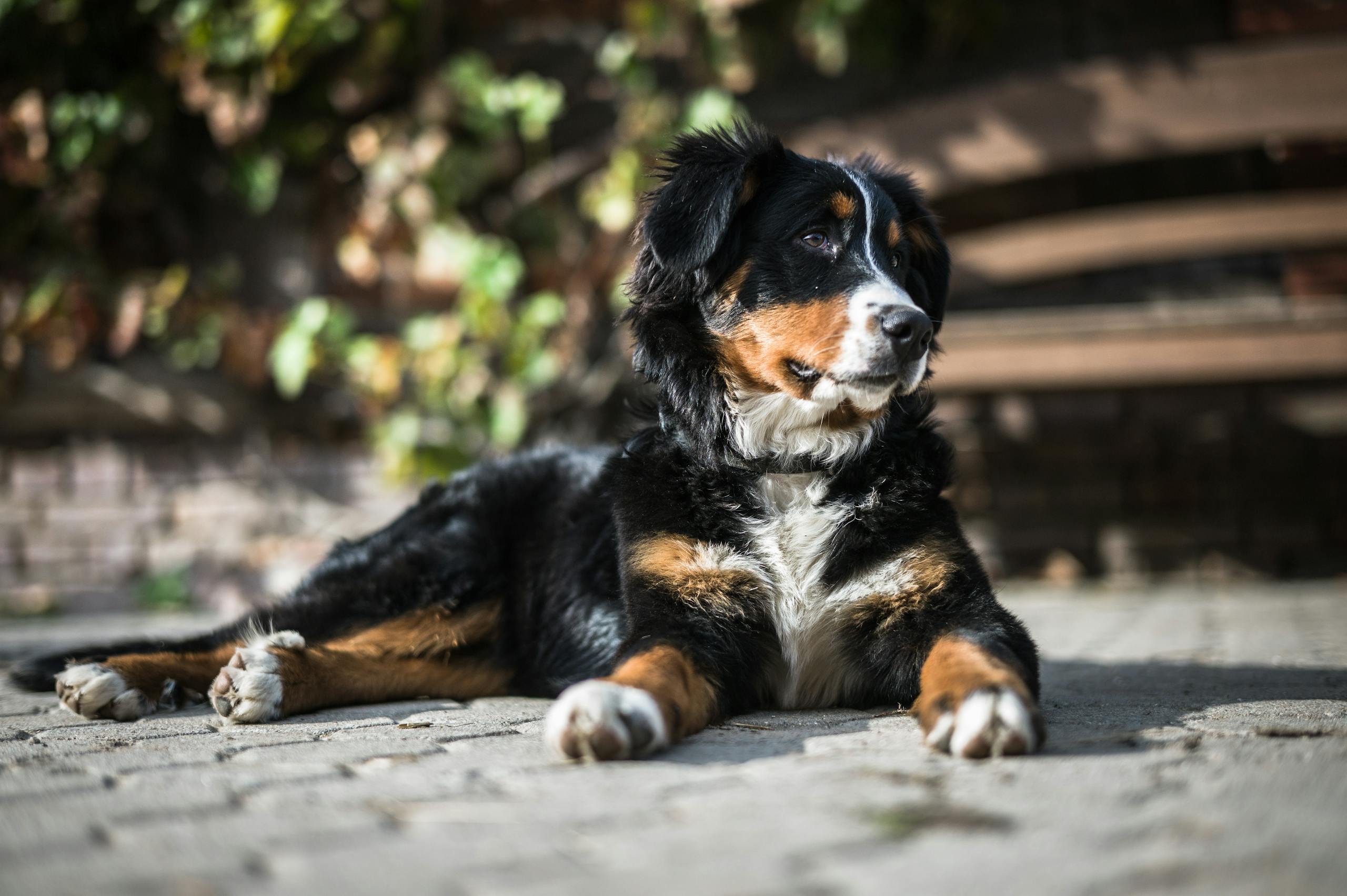
The Bernese Mountain Dog: These are the Swiss Army knives of the farm. Bred in the Alps to drive cattle and pull carts of milk to the creamery, they are social, sturdy, and loyal to a fault. Their Breed info is available in the AKC website
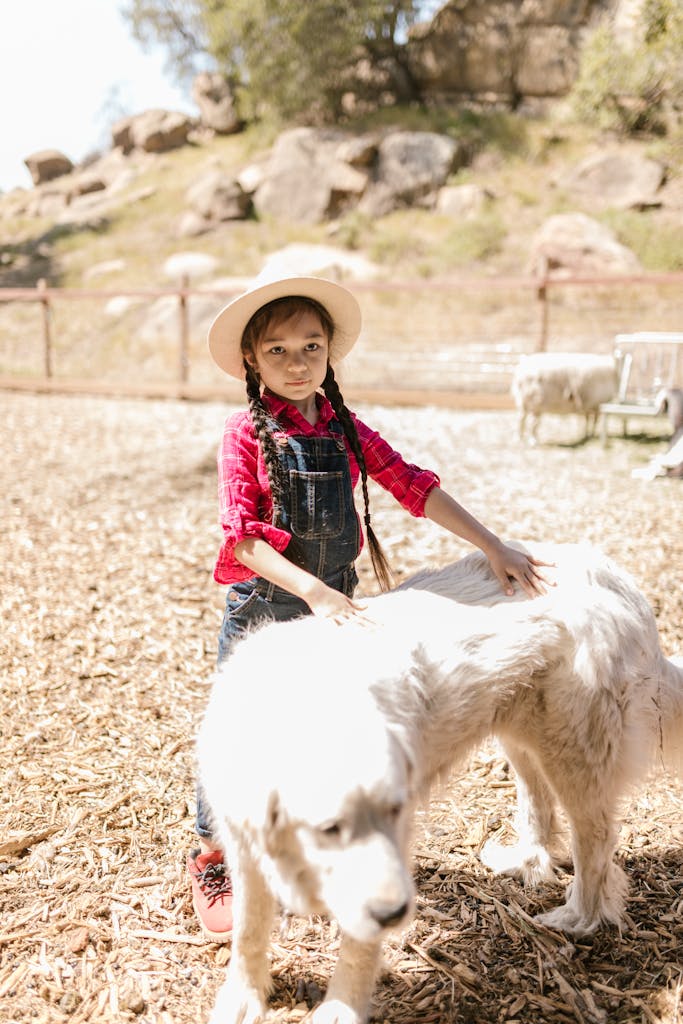
The Great Pyrenees: These are your classic Livestock Guardian Dogs (LGDs). They spent centuries in the mountains of France and Spain, living with the flock and fending off wolves and bears. They’re independent thinkers—they don’t need a human telling them how to spot a coyote. Here you can learn more about this dog breed from the largest purebred dog registry in the U.S.
On a working farm, this combination results in a dog that is:
- Large and physically imposing, which alone can deter predators or intruders
- Naturally protective, but not unnecessarily aggressive
- Calm around routine farm activity, including livestock movement, machinery, and human traffic
- Strongly bonded to its territory, making it well-suited to rural properties rather than confined spaces
However, practicality matters. This mix performs best when it has:
- Space to move and observe
- A clear role (guardian, property watch, companion to livestock)
- Consistent exposure to animals from a young age
Without purpose or structure, these dogs can become bored or overly independent. On farms where they are treated as working partners rather than just pets, they often settle into a balanced role—watching quietly, responding when needed, and remaining deeply loyal to both people and animals.
Specs: Size and Build
Make no mistake, Great Pyrenees and Bernese Mountain Dog Mix is a massive animal. If you don’t have the space or the budget for big dog food bags, stop reading here. Beyond just the food bill, you need to account for the physical footprint of a dog this size; they don’t just walk through a house, they occupy it. You’ll need a vehicle that can fit a 110-pound passenger and a home where a swinging tail won’t clear off the coffee table. Everything from heartworm prevention to flea meds costs double when you’re buying for the “Giant” weight bracket.
|
Trait |
Description |
|---|---|
|
Weight |
Males often hit 100–120 lbs easily. Females run 85–100 lbs. |
|
Height |
Expect them to stand 26–32 inches at the shoulder; they can easily put their head on a kitchen counter. |
|
Coat |
Thick, weather-resistant double coat. Prepare for heavy shedding year-round and “snowdrifts” of fur twice a year. |
|
Lifespan |
8 to 12 years. Like all giant breeds, their hearts and joints work harder, so time is short. |
|
Bark Level |
High. The Pyrenees genetics mean they will vocalize at anything suspicious, especially after sundown. |
|
Bone Density |
They have a heavy, sturdy frame built for cold-weather endurance, not for high-speed agility. |
Temperament: The “Velcro” Guardian
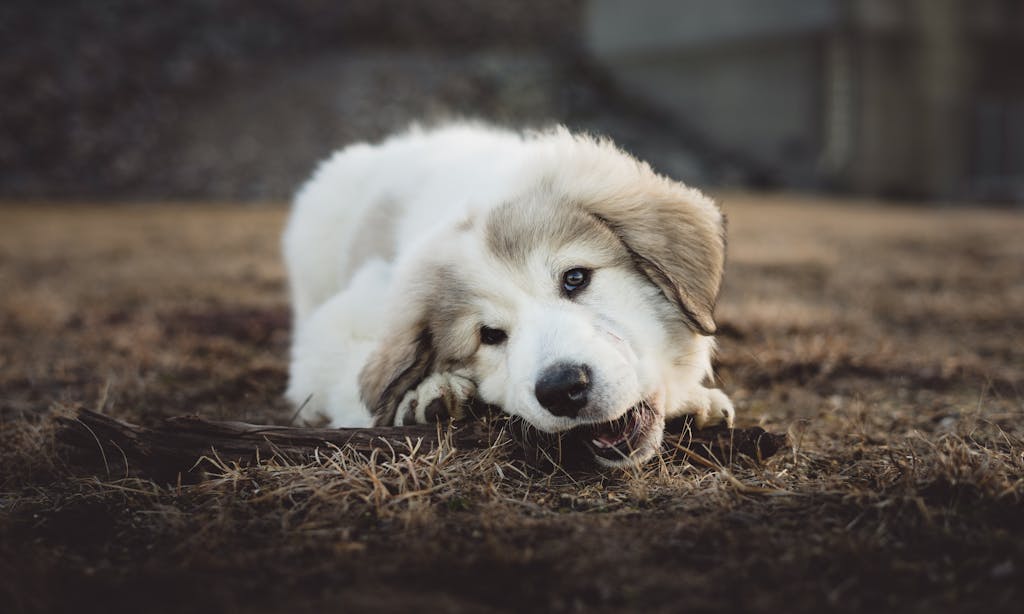
The Great Pyrenees and Bernese Mountain Dog Mix is the middle ground between two extremes. A purebred Pyrenees is often as stubborn as a mule and stays aloof in the field, while a Bernese is usually a big softie that’s too friendly to guard a gate. This mix gives you a “Velcro Guardian”—a dog that wants to lean against your boots for a scratch but never truly stops scanning the horizon for trouble. It’s the ideal balance for a farm: they have the grit to protect the property but the sense to settle down once you give the “all clear.”
On the homestead, you need a dog that knows the difference between a predator and a houseguest. This mix is naturally discerning; they’ll treat a stranger with a watchful eye but save their true devotion for the family. Their behavior boils down to three main traits:
- Steady Nerves: They have a “big dog” ego, meaning they stay calm around loud machinery and farm chaos once they know the routine.
- Discerning Alertness: They won’t bark at every blowing leaf, but they will stand their ground against anything that shouldn’t be on your land.
- Work-Life Balance: Unlike a pure guardian that stays with the flock, this mix wants to follow you from the barn to the porch and back again.
Farm Utility: Putting Them to Work
Don’t expect this dog to be a turnkey solution like a purebred Great Pyrenees might be for goats, or a Border Collie for moving sheep. You are working with a hybrid engine here—part guardian, part herder. Here is how they actually perform in the field.
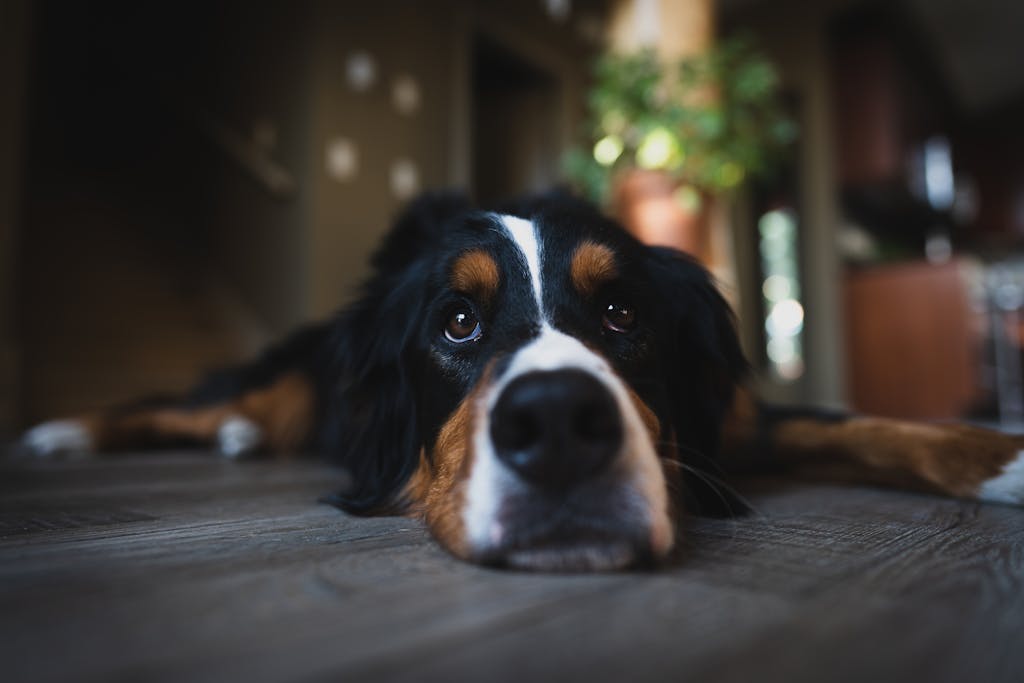
- Predator Control (The Night Shift): The Great Pyrenees and Bernese Mountain Dog Mix work primarily by intimidation. They carry a deep, chesty bark that travels for miles, and they tend to be nocturnal (thanks to the Pyrenees side).
- The Reality: They are excellent at marking a perimeter. A coyote or stray dog smells a 110lb territorial animal and usually decides the chicken coop isn’t worth the fight. They will aggressively run off foxes, raccoons, and lone coyotes, but unlike a Kangal or specialized LGD, they may not engage a pack of wolves. They are a deterrent, not a seal team.
- Livestock Safety & The “Chase” Factor: This is where the mix gets tricky. The Great Pyrenees has zero prey drive (they bond with stock), but the Bernese was bred to drive cattle (they nip heels and push).
- The Reality: You cannot trust this mix alone with poultry or lambing ewes until they are roughly 18–24 months old. You might see the Bernese “play” instinct kick in, leading them to chase running animals. You have to correct this immediately. If raised right, they become a “general purpose” farm dog—safe to walk among the cows, but alert enough to watch the fence line.
- Weather Tolerance (The Climate Check): These are high-altitude mountain dogs. Their double coat is thick, oily, and essentially waterproof.
- The Reality: In the winter, they are bulletproof. They will happily sleep on top of a snowbank in 0-degree weather rather than come inside the barn. However, heat is their enemy. Above 75°F, their work capacity drops to zero. If you live in the deep South or high desert, this dog becomes a liability unless you have a pond or serious air conditioning. You cannot work them hard in the summer sun, or you will kill them with heatstroke.
- General “Chores”:
- Draft Work: The Bernese frame is built for pulling. If you have a small homestead, you can actually train this mix to pull carts for firewood or feed. It gives them a job and burns off energy without the high impact of running.
- Vermin: While they keep big predators away, don’t expect them to be ratters. They are too big and slow to catch mice in the feed room.
Health and Maintenance: Protecting Your Investment
Vet bills for a 110lb dog are no joke; you are looking at double the cost for anesthesia and meds compared to a standard farm dog. While “hybrid vigor” is a nice theory, you are stacking two breeds with significant structural weaknesses. You need to catch issues before they become permanent lameness.
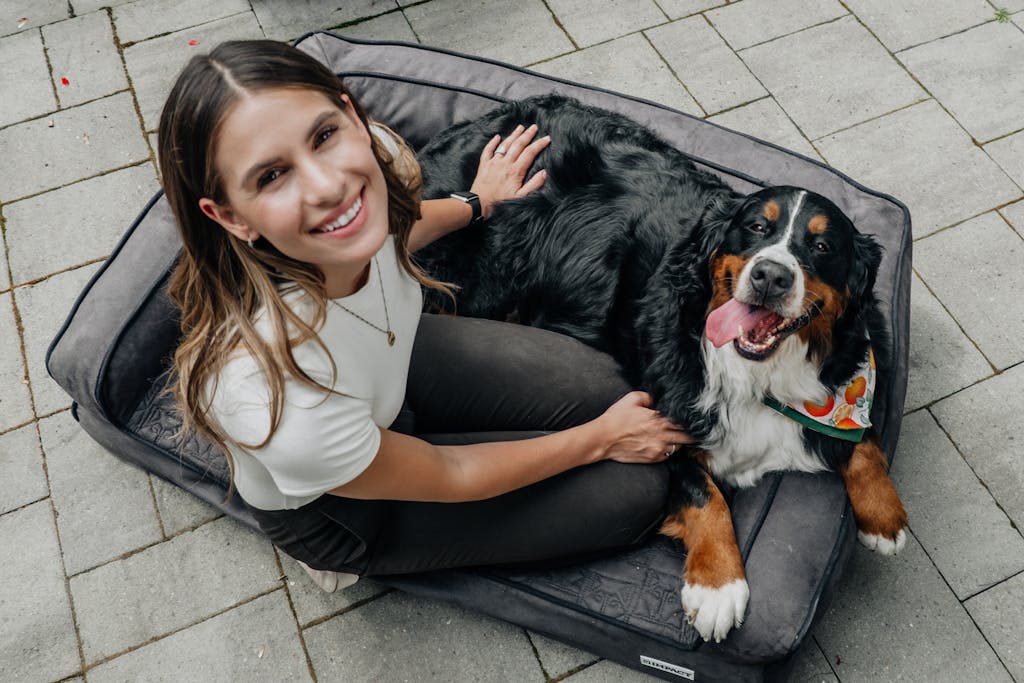
- Hip & Elbow Dysplasia: This is the number one crippler. It’s not just genetic; it’s environmental.
The Fix: Keep them lean—you should be able to feel ribs without digging. Don’t let puppies jump out of truck beds or run on slick concrete until their growth plates close (around 18-24 months). If the chassis breaks, the engine doesn’t matter. Start a glucosamine/chondroitin supplement early. - Bloat (GDV): This is a swift killer where the stomach twists on itself, cutting off blood flow. It often happens after rapid eating followed by activity.
The Fix: Feed twice a day using a slow-feeder bowl or scatter feeding. Know the signs: a distended tight belly, pacing, and retching with nothing coming up. If you see this, you have minutes, not hours, to get to a vet. Surgery can run $3,000+, so ask your vet about a “gastropexy” (tacking the stomach) when you get them neutered. - Cancer (Histiocytic Sarcoma): The Bernese side is notorious for short lifespans due to aggressive cancers.
The Fix: There is no vaccine for this. Your best defense is vetting the breeder. Ask specifically about the longevity of the grandparents. If the line dies young (6-7 years old), walk away. Check your dog for new lumps weekly while grooming. - Entropion (Eye Issues): Droopy eyes (common in these mixes) act like scoops for dust, hay seeds, and debris, which can lead to infection or rolled-in eyelids scratching the cornea.
The Fix: Keep saline flush on hand in the barn. If you see constant tearing or squinting, don’t wait—eye ulcers go bad fast in a dusty environment.
Where to Find a Great Bernese in the US
Finding a Great Pyrenees and Bernese Mountain Dog Mix isn’t as simple as walking into a local pet store. Because they are a purposeful crossbreed, you have to look in the corners of the country where large-scale farming and homesteading are a way of life. You aren’t just looking for a “breeder”; you’re looking for someone who understands the working requirements of both the Pyrenees and the Bernese.
- Midwest & Great Plains Farmsteads: The majority of these dogs are found in states like Kansas, Missouri, Iowa, and Nebraska. Farmers in these regions often breed the Great Bernese specifically for homestead protection. Look for listings in rural farm papers or local “for sale” boards in small-town feed stores rather than high-end city boutiques.
- Mountain Region Breeders: Since both parents are mountain dogs, you’ll find specialized breeders in Colorado, Montana, and Wyoming. These lines are often bred for higher altitude and extreme cold, focusing on the thickest coats and heaviest bone density.
- Specialized Rescues: Don’t overlook the rescues. Organizations like the Great Pyrenees Rescue Society or Bernese Mountain Dog Club of America occasionally take in mixes. You can also find them in “Giant Breed” rescues across the Pacific Northwest and New England, where families realize too late that they don’t have enough acreage for a 110-pound guardian.
When you’re vetting a source, ask if the puppies were raised “underfoot” (in the house) or “in the barn.” If you want a dog that’s going to guard sheep, you want one that’s been around livestock from day one. If you want a porch companion, look for a breeder who has socialized them with children and household noises. Always ask to see the parents’ hips and joints; if the breeder can’t show you health clearances, you’re likely buying a future of expensive vet bills.
Names Your Great Pyrenees and Bernese Mountain Dog
Because these are impressive, loyal farm companions, natural or strong names often suit them best. Consider names that fit size and personality:
Atlas, Oakley, Sierra, Bear, Rosie, Sage, Diesel, Willow, Ranger, Dakota.
These names reflect strength, calmness, and connection to rural life — fitting for a dog that watches over livestock and family alike.
Final Verdict
The Great Pyrenees and Burnese dog is a working man’s dog with a family heart. They require acreage, a strong fence, and an owner who understands that “training” is a negotiation, not a dictatorship. If you can handle the hair and the feed bill, you won’t find a more loyal partner to watch over your homestead.
If you are thinking of getting a hardy dog breed then you can check out the Indian dog breeds.
What is a Great Pyrenees and Bernese Mountain Dog mix?
The Great Pyrenees and Bernese Mountain Dog mix is a large, powerful crossbreed that combines the livestock-guarding instincts of the Great Pyrenees with the calm, hardworking nature of the Bernese Mountain Dog. This mix is often valued on farms for its protective behavior, loyalty, and ability to live alongside other animals.
Is the Great Pyrenees Bernese mix good for farm life?
Yes, Great Pyrenees and Bernese Mountain Dog Mix can do very well on farms when raised correctly. The Great Pyrenees side brings strong guardian instincts, while the Bernese contributes a steady temperament. Together, they can help watch over livestock, property, and family, especially in rural settings with enough space to roam.
Does a Great Pyrenees mix protect livestock?
Many Great Pyrenees mixes naturally show protective behavior toward livestock. While this cross may not be as specialized as a pure livestock guardian dog, early exposure to animals like goats, sheep, or poultry can help develop reliable guarding habits on a working farm.
How do you train a Great Pyrenees and Bernese Mountain Dog mix?
Training should focus on consistency, patience, and positive reinforcement. This mix tends to think independently, especially due to the Great Pyrenees influence. Early obedience training, clear boundaries, and gradual farm exposure work better than harsh corrections or force-based methods.
Are Great Pyrenees Bernese mix puppies easy to raise?
These puppies grow into very large dogs, so early training and socialization are essential. They are generally calm and affectionate but need structure, space, and purpose. Raising them on a farm environment helps channel their instincts in a healthy and productive way.
Where can I find Great Pyrenees Bernese Mountain Dog mix puppies for sale?
Puppies are usually found through small breeders, farm-based kennels, or rescue organizations rather than large commercial breeders. It’s important to ask about the parents’ health, temperament, and working background before choosing a puppy.
How big does a Great Pyrenees and Bernese mix get?
Great Pyrenees and Bernese Mountain Dog Mix is considered a giant breed. Adults often weigh between 80 and 130 pounds, depending on genetics, diet, and activity level. Their size makes them well-suited for outdoor farm environments but less ideal for small living spaces.
What kind of grooming does this mix need?
Due to their thick double coat, regular brushing is important to prevent matting and manage shedding. On farms, dirt and debris can accumulate quickly, so routine coat checks, nail trimming, and ear cleaning are part of responsible care.
Is this mix good with children and other animals?
When properly socialized, this mix is typically gentle with children and tolerant of other animals. Their calm nature makes them good family dogs, but supervision is always recommended due to their large size and protective instincts.