How to Make Money Homesteading: Niche Ideas That Actually Work

Niche Homestead Money Makers (That Actually Work)

If you’ve been told that homesteading is just a way to save a few bucks on groceries, you’re missing the best part. The real secret to making a homestead pay for itself isn’t about owning hundreds of acres or a massive tractor. It’s actually about thinking small and getting specific. Instead of trying to grow everything for everyone, successful modern homesteaders are picking one or two “specialties”—like rare flower seeds, gourmet mushrooms, or even handmade soaps—and doing them really well. It’s much easier to make a profit when you aren’t competing with giant commercial farms.
The beauty of this “micro-business” approach is that you don’t need a huge budget to start. Most people are looking for things they can’t find in a big-box grocery store, like eggs from rare heritage chickens or starter plants for their own gardens. By focusing on these unique niches, you turn your daily chores into a paycheck. You aren’t just a farmer; you’re providing something special that your community actually values. It’s about working smarter with the space you have, making sure every square foot of your land is helping you earn a little extra.
The key isn’t scale — it’s specialization. Here are some of the most profitable niche homestead ideas people are quietly making money from right now.
Why Niche Homesteading Works Right Now
The “big agriculture” model is built on volume and low prices, but modern buyers have shifted. They aren’t looking for mass-produced goods anymore; they are looking for connection and quality. Here is why that works in your favor:
- Ethical and Small-Batch Products: People are increasingly wary of factory farming. When you can show exactly how your goats are treated or that your jam was made in a single copper pot, you aren’t just selling food—you’re selling peace of mind. Small-batch means premium pricing.
- Unique Animals and Rare Breeds: In a world of white Leghorn chickens, a bird that lays a deep chocolate-brown or sea-foam green egg is a luxury. Buyers will pay three times the price for “curated” genetics that they can’t find at a local feed store.
- Local, Trustworthy Sellers: Transparency is the new gold standard. Being the “face” of your farm builds a level of trust that a barcode can never replicate. People want to know the person who grew their food.
- “Instagram-Worthy” Farm Lifestyles: We live in a visual age. People don’t just buy your honey; they buy into the dream of a sun-drenched beehive in a wildflower meadow. This “aesthetic” value allows you to sell experiences, workshops, and high-end branded goods.
This shift means even a small homestead can generate serious income—if you choose the right niche. You don’t need to feed the world; you just need to provide something special for your corner of it.
1. High-Margin “Micro” Crops & Fast-Growth Greens
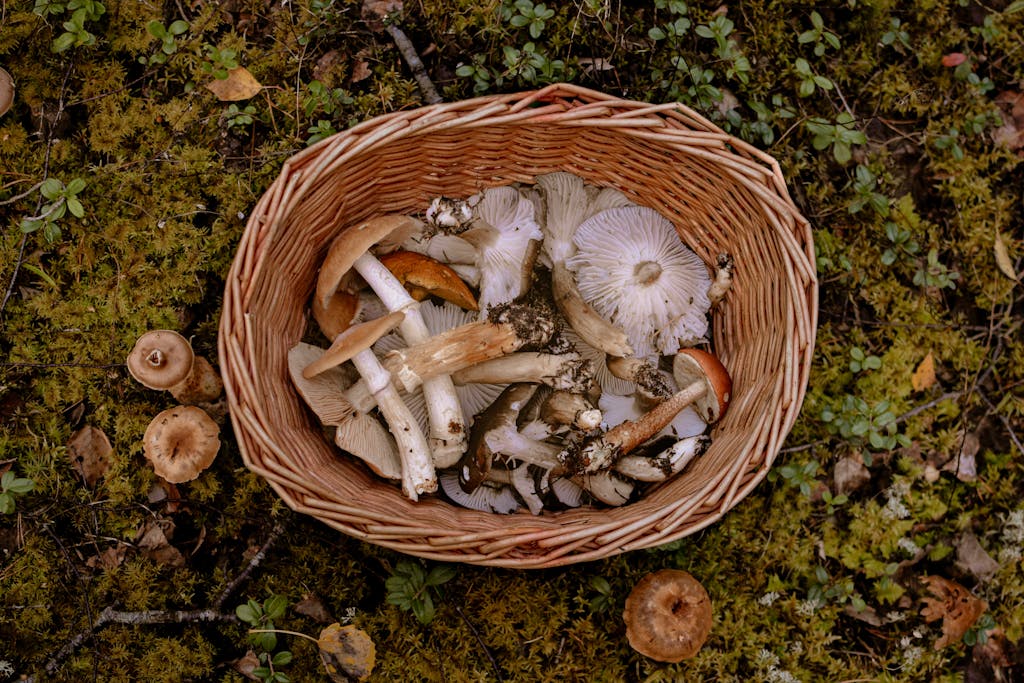
If you have limited space, you want crops that grow fast and sell for a premium. Because these have such a short growth cycle, you can iterate quickly—learning what your local market loves without waiting months for a harvest.
- Gourmet Mushrooms: Varieties like Lion’s Mane or Oyster can be grown vertically in a climate-controlled shed, basement, or even a spare closet. They have a quick turnaround (often just 2–3 weeks from pinning to harvest) and sell to local chefs for significantly more than standard button mushrooms.
- 💡 Success Tip: Don’t just sell to individuals. Walk into a local, non-chain bistro with a fresh basket of Lion’s Mane. Chefs love “hyper-local” ingredients that make their menus stand out.
- Microgreens & Herbs: Harvested in just 7–21 days, these are the “high-frequency” earners of the homestead. Nutrient-dense greens and fresh herbs like mint, basil, and coriander are in high demand from health-conscious neighbors and high-end restaurants.
- 💡 Success Tip: Offer a “Weekly Subscription” model. If you can get 10 neighbors to commit to a $15 weekly bag of fresh salad greens and herbs, you’ve secured $600 a month in predictable income from just a few shelves of space.
- Specialty Plant Starts: In the spring, everyone wants a beautiful garden, but very few people have the patience (or the grow lights) to start seeds indoors in February. Selling “heirloom-only” or “hard-to-find” tomato and pepper starts can be much more profitable than selling the actual vegetables later in the year.
- 💡 Success Tip: Focus on “Storytelling Varieties.” Instead of just a “red tomato,” sell the “Black Krim” or “Mortgage Lifter.” People will pay a premium for a plant with a history and a unique look.
2. Breeding Small Livestock (High Demand, Low Space)
In 2026, animals like Pygmy goats, Pekin ducks, rabbits, and rare-breed chickens have moved beyond traditional farming—they are now pets, hobbies, and “lifestyle symbols” for suburban and rural families alike.
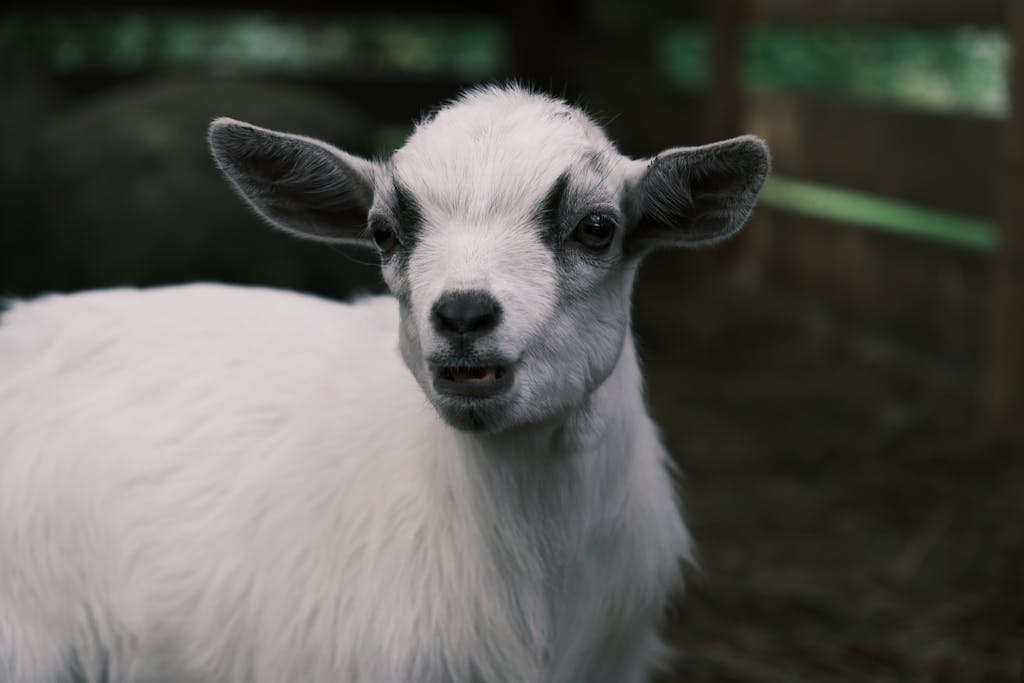
- Why It Works: These animals require significantly less land than cattle or sheep, making them perfect for “micro-homesteads.” Because they have high emotional value (they are cute, friendly, and colorful), people view them as an investment in their lifestyle rather than just a source of food. This allows you to charge premium “breeder” prices instead of “market” prices.
- Hatching Eggs: If you raise rare heritage breeds (like Blue Copper Marans for chocolate-brown eggs or Ayam Cemani for their striking all-black look), people will pay $50–$100 for a dozen fertilized eggs. You are essentially selling the potential of a flock, which has a much higher margin than selling eating eggs for $5 a dozen.
- Pullets (Ready-to-Lay Hens): Many new homesteaders are intimidated by the “brooding” stage—the first 6–8 weeks where chicks need heat lamps and constant care. By raising day-old chicks until they are 16–20 weeks old (pullets), you can sell a “ready-to-go” bird for $25–$40 each to families who want the eggs without the early-stage hassle.
- Pygmy Goats & Rare Rabbits: There is a massive market for “pets that produce.” A registered Pygmy goat or a rare-breed rabbit (like a Lionhead or Rex) can sell for several hundred dollars to someone looking for a high-quality hobby animal.
💡 Pro Tip: Create “Starter Kits.” Don’t just sell the animal; sell the solution. Offering a “New Owner Bundle” that includes the animal, a 2-week supply of specialized feed, and a digital care guide significantly increases your profit per sale while building long-term trust with your customers.
3. Value-Added Products: The “Profit Multiplier”
If you sell raw ingredients, you are a Commodity Farmer competing with huge corporations. If you sell a finished, branded product, you are an Artisan with no competition. Turning a $5 raw material into a $25 retail good is the fastest way to make a small homestead sustainable.
The Transformation Breakdown:
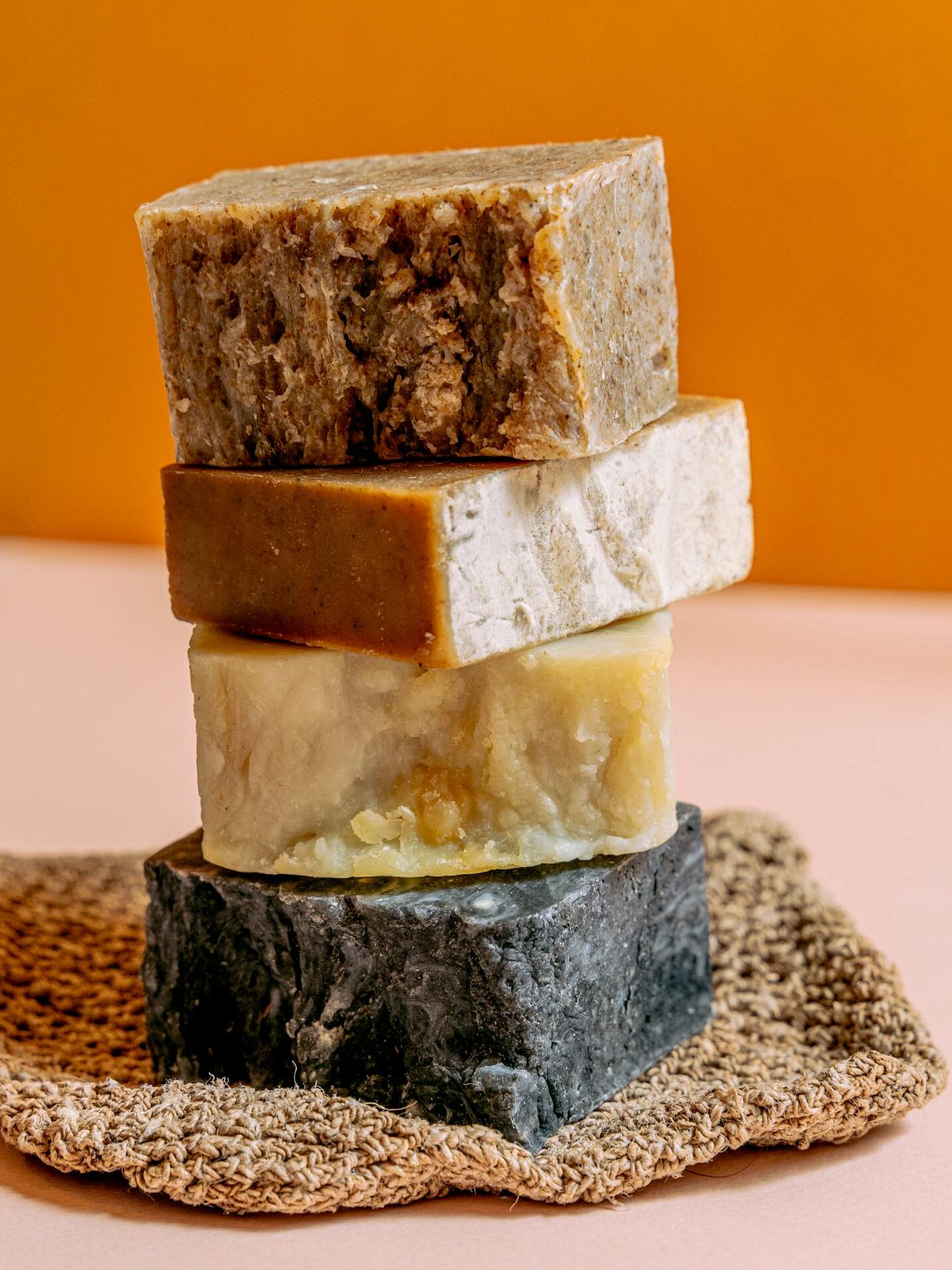
- From Goat Milk → Boutique Skincare: Raw goat milk is a perishable hassle to sell. However, once turned into cold-process soap, probiotic lotions, or “milk baths,” it becomes a shelf-stable luxury item.
- The Value Jump: A gallon of milk that might sell for $\$8$ locally can produce 30+ bars of soap retailing at $7–$9$ each.
- From Honey → Gourmet Infusions: Standard honey is everywhere. But Infused Honey (think Lavender, Ghost Pepper, or Vanilla Bean) in a high-end hexagonal jar with a minimalist label is a gift-worthy item.
- The Value Jump: You aren’t just selling sweetener; you’re selling a culinary experience for double the price of a standard jar.
- From Raw Fiber → Artisanal Skeins: If you have sheep or goats, don’t just sell the “grease wool” or raw clip. If you have the skill to wash, card, and spin that fiber into hand-dyed yarn, you are targeting the high-end knitting and crochet market.
- The Value Jump: Raw wool often sells for pennies per pound, but a 100g skein of hand-dyed, farm-fresh yarn can easily net $25–$35.
- From Garden Harvest → “Ready-to-Make” Kits: Don’t just sell a basket of loose vegetables. Create “Convenience Kits” like a Fresh Salsa Kit (cilantro, lime, peppers, and onions) or a Pickling Bundle (dill, garlic, and cucumbers) complete with a printed recipe card.
- The Value Jump: You are selling the time and inspiration the customer saves by not having to hunt for individual ingredients.
💡 The “Golden Rule” of Value-Adding: The more “finished” a product looks, the less the customer cares about the price. Invest in high-quality packaging and a clean logo—it’s the difference between a “hobby” and a “brand.”
4. “Service” Over “Product”: Agritourism & Knowledge
In the digital age, tactile skills and “unplugged” spaces have become luxury goods. People are increasingly willing to pay for the chance to learn what you do every day or simply to sit in a space that feels worlds away from their office.
- Micro-Workshops (The “Porch Classroom”):You don’t need a dedicated building to teach. Hosting 3-hour “Deep Dives” on your porch or in your kitchen turns your routine chores into an educational product.
- High-Demand 2026 Topics: Sourdough Mastery, Beginner Beekeeping, Pressure Canning 101, or Natural Dyeing with Garden Plants.
- The Revenue: At $50–\$75 per person for a group of six, a single afternoon can net you more than a week’s worth of vegetable sales.
- Farm Experiences (Wellness & Play):The fastest-growing trend in 2026 is Wellness Agritourism. People aren’t just visiting farms to buy pumpkins; they are visiting to heal and de-stress.
- Ideas: “Goat Yoga” sessions, “Sound Baths” in a wildflower field, or “Feed the Animals” mornings for local families.
- The Secret Sauce: It’s all about the “Instagrammable” moment. A beautifully set table for a “Farm-to-Table Tea” or a picturesque spot for a “Sunset Garden Tour” creates free marketing when your guests share their photos online.
- Niche Farm Stays & Camping:If you have a quiet corner of your property, you have a revenue stream.
- Primitive Camping: Renting out a flat spot for a tent via platforms like Hipcamp.
- “Egg-and-Bed”: A simple cabin or converted outbuilding where the “amenity” is a basket of fresh eggs and a chance to help with morning chores.
- The Value: You are selling tranquility. In a crowded world, a quiet field with a view of your sheep is worth a premium nightly rate.
💡 Pro Tip: The “Safety First” Rule. Before inviting the public onto your land, always check your local zoning laws and consult your insurance agent. A simple “Agritourism Liability” rider is usually inexpensive and provides the peace of mind you need to host guests.
5. Homestead Content Creation (Underrated but Powerful)
In the digital landscape of 2026, the most successful homesteaders aren’t just selling what they grow; they are selling the story of how they grow it. Modern content creation allows you to build a “digital asset” that earns money while you’re out in the field. Since you are already doing the work, documenting the journey effectively turns one hour of labor into two streams of income.

- Blogging & SEO Mastery: A blog like your own site acts as a 24/7 storefront. By sharing “How-to” guides, gear reviews, and even your “mud-and-blood” failures, you build authority that generic websites can’t touch.
- Monetization: Once you hit steady traffic, you can apply for premium ad networks (like Mediavine or Raptive) which pay much higher rates than standard ads.
- Affiliate Marketing: This is where you recommend the tools you actually use—like your favorite incubator, garden hoe, or canning supplies. When a reader clicks your link and buys that item, you earn a commission at no extra cost to them.
- 💡 Pro Tip: Focus on “High-Ticket” affiliates. Recommending a $3,000 freeze dryer or a high-end greenhouse kit can net you $\$100+$ in a single commission.
- YouTube & Short-Form Video: Video is the ultimate trust-builder. Seeing your face and your farm creates a personal connection. While YouTube ad revenue starts slow, it is the best platform for attracting high-paying brand sponsorships.
- Digital Products (The “Passive” Dream): Turn your expertise into something downloadable. Create a “Homestead Management Planner,” a “90-Day Garden Calendar,” or a “Sourdough Troubleshooting Guide.” You create it once, and it sells forever.
💡 Reality Check: Some small homestead blogs earn more than the actual farm itself. In fact, many creators find that their “digital farm” provides the stable, recurring revenue that allows them to experiment with riskier physical farm projects.

Common Mistakes to Avoid
Most beginners fail not because of effort, but because of strategy. To stay profitable:
- ❌ Don’t try to do everything at once. Pick one niche and master it.
- ❌ Don’t be a “Price-Taker.” Don’t sell at the local market average. Use better packaging and branding to become a Price-Maker.
- ❌ Don’t ignore the seasons. Plan for chicks in the spring, produce in the summer, and firewood in the winter.
The key isn’t scale — it’s specialization. By keeping your operation lean and your niche specific, you can turn your homestead into a thriving business.
Your “First $500” Roadmap
Most people never start because the “big picture” feels overwhelming. To hit your first $500 in profit, you don’t need a tractor—you just need a 90-day plan.
- Month 1: The Setup. Pick one “Fast-Growth” niche, like microgreens or specialty plant starts. These require the least amount of space and equipment. Spend this month getting your supplies and growing your first “test batch” for your own kitchen.
- Month 2: Build the Buzz. Don’t wait until you have a product to start selling. Use Instagram or local Facebook groups to share your journey. Show the “behind the scenes” of your heritage chicks hatching or your soap curing. Build an “Interest List” of people who want to be the first to buy.
- Month 3: The Launch. This is your “Batch Day.” Whether it’s your first harvest of Lion’s Mane mushrooms or your first round of goat milk soaps, reach out to your interest list first. A small, loyal group of 10 neighbors spending $50 each is all it takes to hit that $500 milestone.
Choosing Your Path: The Homestead Profit Matrix
Not sure which niche fits your land? Use this quick-reference table to see which “Money Maker” matches your current setup.
| Niche | Space Needed | Startup Cost | Time to Profit |
| Microgreens | A spare closet or shelf | Low ($) | 2 Weeks |
| Hatching Eggs | Small backyard coop | Medium ($$) | 6 Months |
| Workshops | Just a porch or kitchen | Very Low | Immediate |
| Goat Milk Soap | Kitchen + small shed | Medium ($$) | 4–6 Weeks (Curing) |
| Pygmy Goats | 1/4 Acre fenced | High ($$$) | 1 Year |
The “Boring But Important” Checklist
Before you sell your first egg or jar of honey, there are three “business” basics every new homesteader needs to check off. Don’t let these scare you—they are simpler than they sound!
- Check Local “Cottage Food Laws”: Many states and regions have special rules that allow you to sell “low-risk” items (like honey, jams, or bread) directly from your kitchen without a commercial license. A quick search for your local laws is a must.
- Look Into Farm Liability Insurance: If you plan on having people visit your land for workshops or “goat yoga,” a basic liability policy is a cheap way to protect your home and your peace of mind.
- Track Your “Real” Costs: It’s easy to think you made $20 on a sale, but did you factor in the feed, the packaging, and the electricity? Use a simple spreadsheet or even a notebook to track every cent that goes out so you know exactly what is coming in.
The Niche Homestead Revolution
Currently, the most successful homesteads have abandoned the “industrial” dream of massive acreage and heavy machinery. Instead, they operate as high-yield micro-enterprises. The path to profitability is no longer about competing on volume (which big agriculture always wins); it is about winning on specialization, scarcity, and storytelling.
1. The Three Pillars of Profit
- Specialized Genetics: Raising rare or “Instagram-worthy” breeds (like Blue Copper Marans or Pygmy goats) allows you to sell life and potential (eggs/kids) rather than just commodities (meat/milk).
- Value-Added Processing: The biggest income jump happens when you stop selling raw ingredients. Turning $5 of goat milk into a $25 artisan soap is the “cheat code” for small-scale margins.
- Experience & Education: Modern consumers are hungry for connection. Selling a 3-hour sourdough workshop or a “farm-stay” afternoon often nets more profit than an entire season of selling vegetables.
2. The Beginner’s Strategy
For those just starting, the lowest-risk entry point is the Fast-Growth Cycle. By focusing on crops with a 14–21 day turnaround (like microgreens or mushrooms), you generate immediate cash flow that can be reinvested into longer-term projects like orchards or breeding programs.
3. The “Price-Maker” Mindset
The final shift is psychological. Successful homesteaders are Price-Makers. They don’t check the local market average; they set their own prices based on superior packaging, ethical transparency, and convenience kits.
Bottom Line: Success on a small homestead isn’t measured by how many acres you manage, but by how much value you can squeeze out of every square foot. The key isn’t scale — it’s specialization.
Small Scale
Massive Value
Get Started