Top 6 Indian Dog Breeds: A Guide for Potential Owners

The Indian subcontinent is home to some of the toughest, smartest dogs you’ve probably never heard of. Often called “Desi dogs,” these Indian dog breeds evolved over thousands of years to thrive in heat and humidity that would make most Western breeds wilt. For a pet owner, this means getting a “built-to-last” companion with a great immune system and very few genetic health issues. They are low-maintenance partners that trade expensive grooming appointments for rugged, natural athleticism. In this guide, we’ll look at six specific breeds, their unique personalities, and what you need to know before bringing one home.
If you want a hardy, unique companion that can handle a long summer hike without a problem, these native dogs are a great choice. Let’s start with a look at India’s famous elite athlete: the Mudhol Hound.
Table of Contents
1. The Mudhol Hound (Caravan Hound)
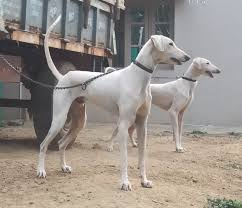
If you want a dog that looks like a piece of moving art, meet the Mudhol Hound. Coming straight from the heart of Karnataka, India, this isn’t just a pet—it’s a legend. Back in the day, Indian kings and warriors wouldn’t go anywhere without them. In fact, they are so tough and sharp that the Indian Army actually recruited them for border security! Imagine a Greyhound, but with a “special forces” upgrade and a heart made of pure grit.
The Look: They are the supermodels of the Indian dogs. We’re talking a lean, chiseled frame, a long elegant neck, and a “whip-like” tail that tells you exactly how fast they can go. They stand tall at about 26–28 inches, looking like they’re ready to sprint into the next century.
The Vibe: These are “soulmate” dogs. In India, we call them “one-master” dogs because they pick their person and stay fiercely loyal to them. They aren’t going to be best friends with every stranger at the park—they’re more the “strong, silent type” who only has eyes for you.
The Perks: Here’s the best part for your home: they are naturally clean. They don’t have that typical “doggy smell,” and they hardly ever bark unless it’s actually important. You’re basically getting an elite, low-maintenance athlete that treats your living room like a royal palace.
A Friendly Warning: They have what we call a serious “Prey Drive.” If it moves, they want to chase it. If you have a cat or a tiny hamster, the Mudhol Hound might think they’re part of a track-and-field event, so they’re best in homes where they can be the only “small” thing running around.
2. The Indian Pariah Dog (INDog)

If you’ve traveled to India, you’ve seen these dogs everywhere—but don’t let that fool you. This isn’t your average “mutt.” The INDog is an ancient, naturally evolved breed that’s been hanging out with humans for over 15,000 years. In the Desi world, we respect them because they weren’t “made” in a lab; they were perfected by nature. They are arguably the smartest, most street-savvy dogs on the planet.
The Look (Classic & Rugged): Think of them as the “Base Model” of all dogs. They’ve got those iconic erect “bat ears” that catch every sound, a sharp wedge-shaped head, and a beautiful bushy tail that curls over their back like a question mark. They are medium-sized and built purely for survival.
The Personality (The Talker): These dogs don’t just bark; they talk. They are incredibly communicative and will use a whole range of “woofs,” whines, and yips to tell you exactly how their day was. They are hyper-aware of their surroundings—nothing gets past a Pariah.
Why They’re Great for You
- The “Iron” Immune System: In India, these dogs survive everything. You’re getting a dog that rarely gets sick and has zero interest in those expensive “genetic” vet visits.
- City or Country: They are surprisingly adaptable. As long as you give them a good walk, they’re perfectly happy chilling in a city apartment.
- Low Maintenance: Their coat is short and “self-cleaning.” One quick brush and they’re good to go.
A Note from the Wise (The “Territory” Factor) Because they’ve spent centuries guarding villages, they take their “guard dog” job very seriously. They can be pretty territorial. If you want them to be cool with your mailman and your friends, you’ve got to socialize them early. If you don’t, they’ll treat your front door like a high-security vault!
3. The Rajapalayam
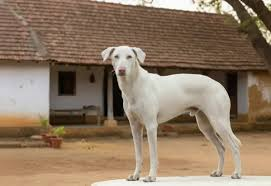
If the Mudhol is a soldier, the Rajapalayam is a king. Straight out of Tamil Nadu in South India, these dogs were the ultimate status symbol for royalty. They weren’t just lapdogs, though—they were bred to take down wild boars and guard massive palaces. When you see one in person, “majestic” is the only word that fits. They have this incredibly cool, graceful way of walking that looks more like a high-stepping horse than a dog.
The “Royal” Look: They are famous for their stunning, porcelain-white coats and a signature pink nose. They are big, muscular, and look absolutely striking against a green lawn or a city sidewalk. If you want a dog that makes people stop and say “Wow,” this is the one.
The Vibe (The Dignified Protector): A Rajapalayam isn’t the type to go belly-up for a stranger’s pets at the park. They are dignified and a bit serious. Think of them as the “Secret Service” of dogs. They are fiercely devoted to their family but have a “no-nonsense” attitude toward people they don’t know. They appreciate being treated with respect, so they’re better for a home that understands a dog with a big personality.
4. The Kanni
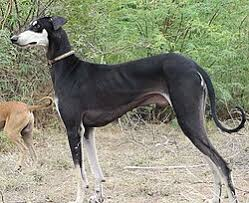
If you’re looking for a dog with a story that sounds like a movie plot, the Kanni is it. In the deep south of Tamil Nadu, “Kanni” actually means “Maiden” or “Virgin.” Tradition says these dogs were so precious and protective that they were given to brides on their wedding day as a lifelong guardian. It’s like a wedding gift that doubles as a high-tech security system. This isn’t just a dog; it’s a family heirloom on four legs.
- The “Silent Hunter” Vibe: The most unique thing about a Kanni? They are quiet. While other dogs are barking at the mailman, the Kanni is watching silently. They were bred to be “silent hunters,” meaning they don’t give away their position. If a Kanni actually barks, you’d better go check—it means something is definitely wrong.
- Built Like a Jet: These guys are built for pure agility. They are sleek, ultra-lean, and move like a shadow. If you’re an active runner or hiker in the US, this dog will keep up with you without even breaking a sweat.
- The “Low-Profile” Companion: Because they are so calm and quiet indoors, they are surprisingly great companions for people who want a large, athletic dog that doesn’t act like a “bull in a china shop.” They are gentle, shy with strangers, and deeply bonded to their “person.”
A Note on the “Hunt” (The Buyer’s Challenge): Here is the catch: The Kanni is the “Hidden Gem” of India. They are extremely rare, even in their home country. You won’t find these at a local pet store or a standard rescue. To find a true, purebred Kanni, you usually have to know someone who knows someone in rural South India. They are the ultimate “exclusive” breed—owning one means you are part of a very small, very lucky global club.
5. The Kombai

If you want a dog that looks like it could walk through a brick wall and then come home to cuddle on the couch, meet the Kombai. Back home in Tamil Nadu, we call this breed the “Tamil Terrier-Mastiff” because it has the grit of a Terrier and the muscle of a Mastiff. Historically, these guys weren’t just guarding backyards—they were guarding royal fortresses and taking on wild bears. They are essentially the “Special Forces” of the Desi dog world.
- The Powerhouse Build: One look at a Kombai and you’ll see why people compare them to Rottweilers or Pitbulls. They are thick, muscular, and usually come in a beautiful tan or “fox” color with a signature black mask. They aren’t the tallest, but they are built like a little tank.
- The “Always On” Security System: Owning a Kombai is like having a 24/7 security detail that doesn’t need to be plugged in. They are hyper-alert and have a “guard first, ask questions later” mentality when it comes to their home. But here’s the crazy part: once they are inside with the family, they are incredibly sweet, gentle, and almost goofy with their “inner circle.”
- The Ultimate Protector: In India, we have stories of Kombais standing their ground against leopards to save their owners. That kind of bravery is just baked into their DNA.
A Word for the Wise (The “Pro” Owner Only): I’ll be real with you—the Kombai is not a starter dog. Because they have such a high “fight” drive and were bred to take on apex predators, they need a confident “pack leader” who knows what they’re doing. If you are a first-time owner, this might be too much dog for you. But if you’re an experienced owner who knows how to use positive but firm training, the Kombai will be the most loyal shadow you’ve ever had.
6. The Chippiparai
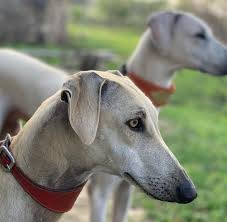
If you’re looking for the ultimate “easy-keeper” that still has the grace of a gazelle, let me introduce you to the Chippiparai. In the dry, hot plains of Southern India, this dog is a legend for being able to survive on very little while running like the wind. If the Mudhol is a sprinter, the Chippiparai is the triathlete—lean, incredibly hardy, and surprisingly chill when the workday is over. It is widely considered one of the most durable Indian dog breeds for anyone living in a warm climate.
- The “Zero-Effort” Grooming: In the Desi world, we love this breed because they are basically “wash-and-wear.” Their coat is so short and sleek that it feels like velvet. They don’t trap dirt, they don’t hold onto that “doggy smell,” and grooming usually just involves a quick wipe with a damp cloth.
- The Fuel-Efficient Runner: These dogs are the “hybrids” of the canine world. They have an amazing metabolism that requires surprisingly little food for the amount of energy they put out. Once they’ve had their daily run, they are famous for being “couch potatoes”—exceptionally calm and quiet when they are indoors with the family.
- Built for the Heat: Unlike many Western breeds that pant and struggle the moment the sun comes out, the Chippiparai thrives in the heat. It’s one of the few Indian dog breeds that can go for a long hike in 90-degree weather and act like it’s a breeze.
A Friendly Heads-Up (The “Gravity” Problem): Here’s the thing you need to know: Chippiparais are Expert Jumpers. We aren’t talking about a little hop; we’re talking about Olympic-level vertical leaps. If you have a standard 4-foot fence, a Chippiparai will treat it like a speed bump. If they see a squirrel or a bird on the other side, they can easily clear 6 feet without a second thought. If you’re bringing one home, make sure your backyard walls are high enough to keep this “athlete” on the right side of the fence!
Quick Breed Comparison Table
If you’re having trouble deciding which of these ancient legends fits your lifestyle, don’t worry—choosing between Indian dog breeds can be tough when they all bring something unique to the table. Whether you need a silent shadow for a city apartment or a rugged guardian for a large backyard, comparing their key traits side-by-side makes the choice much clearer.
Here is a quick breakdown to help you find your perfect match at a glance.
| Breed | Exercise | Guarding | Apartment? | Training |
|---|---|---|---|---|
| Mudhol Hound | Very High | Moderate | No | Medium |
| Indian Pariah | Moderate | High | Yes | Easy |
| Rajapalayam | High | Extreme | No | Medium |
| Kanni | High | Low | Possible | Easy |
| Kombai | High | Extreme | No | Hard |
| Chippiparai | High | High | No | Medium |
Before you head out to find your new best friend, there are a few “pro tips” for living with these unique dogs. These ancient lineages are built a bit differently than your typical suburban retriever, so keeping these points in mind ensures a happy, healthy pup.
Buyer’s Final Checklist
- Climate & Gear: These dogs are basically solar-powered and love the heat, but they usually have very little body fat. While they thrive in a Texas summer, they’ll need a solid winter jacket if you’re in a colder state—think of them as “warm-weather specialists” who need a coat the moment it hits 50°F.
- The “Rib” Rule: This is a big one for the hounds (like the Mudhol or Chippiparai). Because they are lean athletes, seeing the faint outline of the last two ribs is actually a sign of a healthy weight. Resist those “puppy eyes” and don’t overfeed; keeping them light keeps their joints healthy for years.
- Socialization is Non-Negotiable: Start on day one. Because many Indian dog breeds are naturally wary of strangers, you want to expose them to 100+ new people, sights, and sounds in the first 4 months. This turns a “protective” dog into a “confident” one who knows the difference between a threat and the mailman.
- Exercise for the Mind: These aren’t just backyard dogs; they are incredibly smart. Beyond just walks, give them puzzle toys or “find it” games. A bored Indian dog breed is a creative one, and you usually don’t want to see what they “create” with your couch cushions when they have too much pent-up energy!
- Conservation Matters: By choosing a native breed, you aren’t just getting a pet—you’re a part of a global effort to save a living piece of history. You are helping prevent these ancient lineages from extinction and supporting ethical breeders who care about the heritage of these dogs.
If you enjoy the idea of low-maintenance, hardy animals that thrive on a smaller footprint, you might also find our guide on Where to Buy Pygmy Goats in the US a fascinating read for your homestead!
How to Find Your Indian Dog Breed
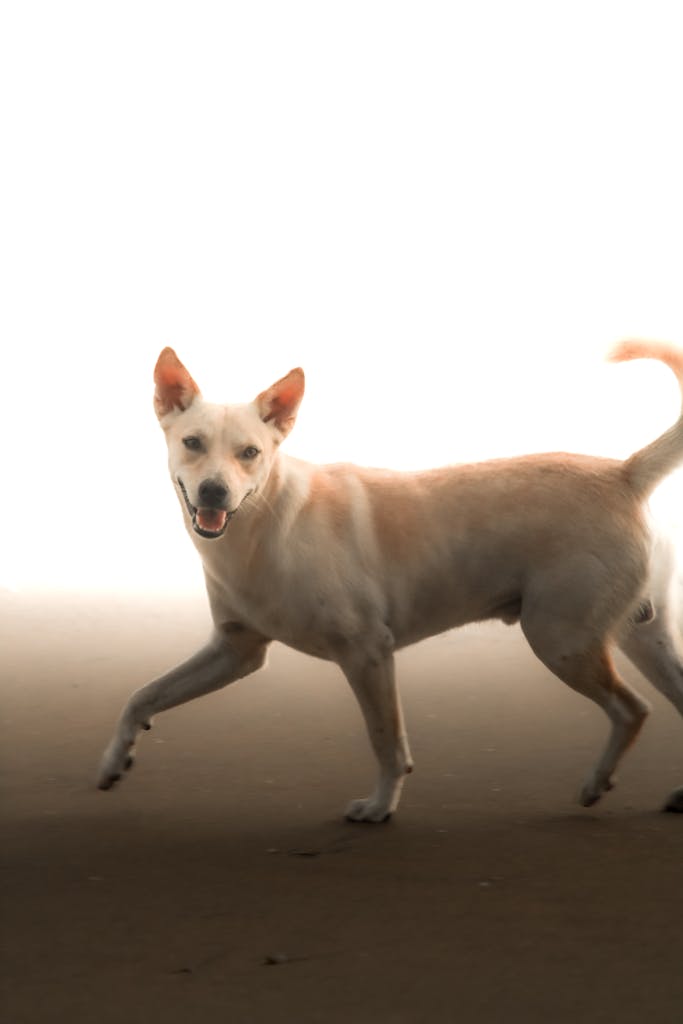
- International Adoption (The “Desi” Rescue): Organizations like Stray Animal Foundation India (SAFI) specialize in bringing dogs from India to the US. While many of these are “Indies” (Indian Pariah Dogs), they occasionally have breed-specific rescues. Be prepared for a wait of 3–5 months and costs between $1,000 and $2,800 for flight logistics and quarantine.
- The “KCI” Gold Standard: If you are looking to import a puppy from India, only work with breeders registered with the Kennel Club of India (KCI). Reputable platforms like Mr n Mrs Pet or VOSD can help connect you with ethical breeders who provide health clearances and “fit-to-fly” certificates.
- Specialized US Groups: Look for communities on Facebook or Reddit dedicated to “Sighthounds” or “Primitive Dog Breeds.” Often, enthusiasts of the Indian dog breed world will post about upcoming litters or rehoming opportunities within the US.
Pro-Tip for Potential Owners
Don’t be afraid to ask for a video call with the breeder! A genuine lover of these Indian dog breeds will be proud to show you their facility and the puppy’s parents. If a breeder refuses to show you where the dogs live or tries to rush the sale, it’s a major red flag—keep looking until you find someone as passionate about preserving these legends as you are.
Choosing one of these ancient Indian dog breeds means bringing a piece of living history into your home. They offer a unique blend of rugged health, sharp intelligence, and a deep loyalty that is hard to find in more common breeds. If you’re ready for a companion that is as low-maintenance as it is legendary, one of these native treasures might just be your perfect match.
FAQs
Are Indian dog breeds good for first-time owners?
While the Indian Pariah Dog is very adaptable, many Indian hounds and guard dogs (like the Kombai or Rajapalayam) have independent, “primitive” temperaments. They are usually better suited for owners who have some experience with consistent, positive-reinforcement training.
Do they get along with children and other pets?
Most are incredibly gentle and protective of their “inner circle” children. However, many of these breeds were bred for hunting, meaning they have a high prey drive—they may not be the best fit for homes with cats or tiny animals unless socialized from a very young age.
How do their health costs compare to Western breeds?
In general, Indian dog breeds are significantly cheaper to care for. Because they evolved naturally rather than through intensive “show-line” breeding, they are less prone to hip dysplasia, heart issues, and skin allergies common in breeds like Labradors or German Shepherds.
How much exercise do these breeds actually need?
Most of these Indian dog breeds are high-performance athletes that need at least 60 minutes of vigorous activity daily. Without a proper outlet for their energy, they can become bored and use their intelligence to get into mischief around the house.
Can they live in small apartments or city settings?
While breeds like the Chippiparai are calm indoors, most of these dogs prefer a home with a yard due to their history as guardians and hunters. If you live in an apartment, you’ll need to commit to multiple long walks and trips to the park to keep them happy.
Are they easy to train compared to popular Western breeds?
These dogs are highly intelligent but often have an “independent streak” that makes them less eager to please than a Golden Retriever. Training an Indian dog breed requires patience, consistency, and a “partnership” approach rather than a strict command-style