Mini Goat Breeds: The Complete Guide to Pygmy & Nigerian Dwarf Goats (2026)
Whether you’re scrolling through dream farm photos in the UK or eyeing a patch of weeds in your US backyard, you’ve probably realized that “mini” goats are the secret sauce of the modern homestead. In 2026, we’ve moved past the idea that you need a hundred acres and a tractor to live the good life; sometimes, all you really need are a couple of knee-high troublemakers to turn a boring lawn into a productive little slice of heaven. But before you fall for a pair of floppy ears at the local auction, you’ve got to know exactly what you’re signing up for.
This guide is designed to cut through the fluff and get down into the dirt with the two heavy hitters of the small-scale world: the Pygmy and the Nigerian Dwarf. We’re talking about more than just cute faces; we’re looking at the cold, hard reality of milk yields, fence-jumping antics, and the actual cost of keeping these “compact” critters happy. If you’re trying to figure out which breed fits your morning routine—and your budget—you’re in the right place.
Why Go Mini? (The Small-Scale Advantage)
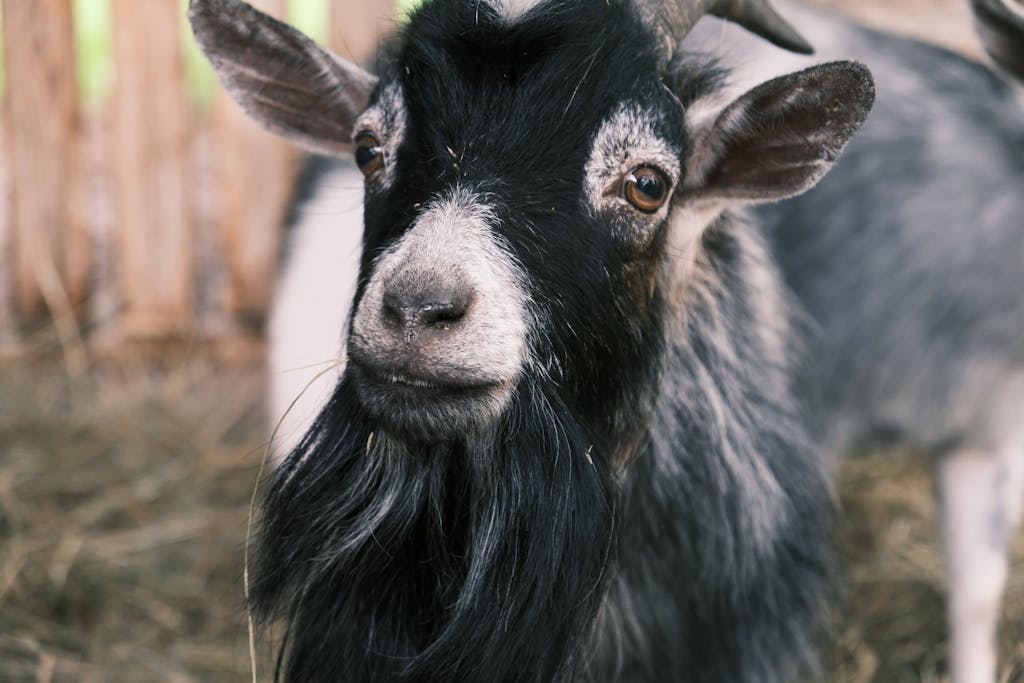
When we talk about “mini” goats, we’re not just talking about shrinking a standard goat in the wash. These breeds are the powerhouse solution for the modern, small-scale farm. In 2026, space is at a premium, and not everyone has the back strength (or the acreage) to wrestle a 200-pound buck. A mini goat typically tips the scales between 50 and 85 pounds, making them manageable for one person to handle during hoof trimmings or vet checks without needing a wrestling degree.
But don’t let the “mini” tag fool you—these aren’t just lawn ornaments. While the Pygmy and the Nigerian Dwarf are the undisputed kings of the small-stature world, they serve very different masters. One is essentially a tiny, muscled-up tank built for hardy living, while the other is a refined dairy machine in a compact frame. Choosing between them isn’t about size; it’s about deciding whether you want a sturdy backyard companion or a pint-sized milk producer that can out-perform goats twice her size.
Pygmy Goats: The Little Tanks of the Barnyard
If you’re looking for a goat that’s built like a beer keg on four legs, the Pygmy is your breed. Originally hailing from West Africa, these guys weren’t bred for the milking parlor; they were bred to be hardy, thrifty, and tough. In 2026, they remain the gold standard for anyone who wants “maximum goat” in a “minimum package.”
Walking into a pen of Pygmies feels a bit different than other breeds. They are stocky, muscular, and surprisingly heavy for their height—usually tipping the scales between 55 and 85 pounds while standing only 16 to 23 inches tall. They don’t just walk; they trot with a purpose. Because they were historically a meat breed, they carry a lot of “substance,” which makes them incredibly resilient to colder climates and less prone to some of the daintier health issues you see in high-production dairy goats.
Why Choose a Pygmy?
- The Personality: They are the class clowns. Friendly, sometimes a bit pushy for snacks, and incredibly playful.
- The Utility: While some folks use them for small-scale meat production, most of us keep them as the ultimate “easy-keeper” pets or brush-clearers.
- The Hardiness: If you’re a first-time owner, Pygmies are forgiving. They handle weather changes like champs and aren’t nearly as “diva-ish” as some dairy breeds can be.
Before you head out to the first farm you find on social media, you need to know exactly what to look for so you don’t end up with a “lemon.” I’ve put together these shortcuts to help you vet breeders, compare 2026 market prices, and find healthy stock near you.
Nigerian Dwarf Goats: The Pint-Sized Powerhouse
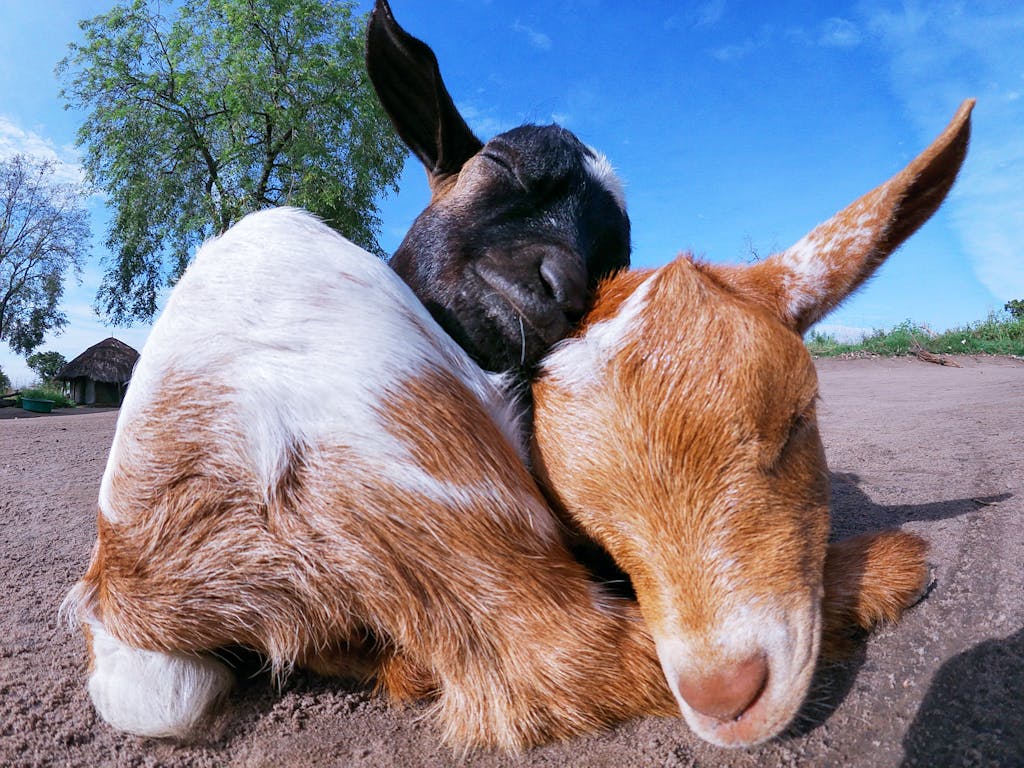
If you’re dreaming of a backyard creamery but don’t have the space for a 200-pound cow, the Nigerian Dwarf is your answer. In 2026, they’ve become the gold standard for suburban homesteaders because they pack an incredible amount of production into a tiny, refined frame. Unlike the stocky Pygmy, a Nigerian Dwarf is slim, elegant, and built like a true dairy goat, usually standing between 17 and 22 inches tall.
The real “magic” of the Nigerian Dwarf isn’t just their size—it’s what’s in the milk pail. For their size, they are absolute overachievers, producing milk with a butterfat content that often hits 6% to 10%. That’s significantly higher than most full-sized dairy breeds, which is why they are the secret weapon for anyone making artisanal cheese, creamy soaps, or the best-tasting lattes you’ve ever had.
Why Choose a Nigerian Dwarf?
- The “Dairy Queen” Factor: They aren’t just pets; they are functional livestock that can actually help pay for their own hay through milk and high-quality offspring.
- The Intelligence: These goats are remarkably social and “dog-like.” They’ll learn their names, follow you around the yard, and—if your gate latches aren’t top-notch—figure out how to let themselves out.
- The Efficiency: They are the ultimate “bang for your buck” breed, giving you high-quality dairy on a fraction of the feed and acreage required by a standard Alpine or Nubian.
Before you start picking out names for your future milking string, make sure you’re prepared for the nuances of this specific breed. I’ve put together a deep dive to help you navigate the 2026 market and breed standards:
Pygmy Goats vs Nigerian Dwarf Goats (Comparison Table)
| Feature | Pygmy Goat | Nigerian Dwarf Goat |
|---|---|---|
| Primary Use | Pet / Meat | Dairy |
| Milk Production | Low | High |
| Body Type | Stocky | Lean |
| Average Price (US) | $150–$500 | $250–$800 |
| Temperament | Playful | Intelligent |
| Best For | Families & Hobby Farms | Backyard Dairy |
Ultimately, your choice comes down to what you want to see when you walk out to the barn in the morning: a heavy-duty brush clearer who’s happy to just hang out, or a refined little milker who’s ready to earn her keep. Just remember that while their “jobs” differ, their need for a high-quality home and a secure fence is exactly the same.
Curious about the history and origins of these small breeds? For a deep dive into the heritage and global development of goats like the Nigerian Dwarf and the Pygmy, check out the Official Goat Breed Database at Oklahoma State University. It’s one of the most respected academic resources for livestock history in the world.
5 Other Mini Goat Breeds You Should Know
While the Pygmy and Nigerian Dwarf are the “famous” faces of the mini goat world, they aren’t the only kids on the block. In 2026, we’re seeing a huge surge in specialized hybrids—goats bred specifically for folks who want a very particular mix of fiber, milk, or just that unique “look.” If you haven’t found your perfect match yet, one of these five overachievers might be exactly what your acreage is missing.
- The Mini Nubian: For those who want the high milk yield and iconic floppy ears without the 200-pound frame.
- The Pygora: The dream breed for crafters—think Pygmy personality with soft, spin-ready fiber.
- The Kinder Goat: The ultimate “dual-purpose” mini that handles milking and homestead meat production with ease.
- The Nigora: A colorful, fluffy cross that gives you a little bit of everything—milk, fiber, and a lot of heart.
- The Australian Miniature: A hardy, playful choice that’s gaining massive popularity for its docility and easy-keeping nature.
Curious about the specifics? If you want to see the weight charts and temperament ratings for these five, jump over to our Mini Goat Breeds: Raising Pygmy, Dwarf, and Other Mini Goats to see how they stack up against the classics.
Can I really keep mini goats in a suburban backyard without my neighbors hating me?
Usually, yes—but with a caveat. Mini goats are generally quieter than full-sized breeds, but “quiet” is relative. They usually only make noise if they’re hungry, lonely, or bored. To keep the peace, always keep at least two goats (lonely goats scream), stay on a strict feeding schedule so they don’t “demand” snacks, and check your local zoning laws first. Most neighbors find them more charming than a barking dog!
How do I stop my mini goats from escaping?
If there’s a weak spot in your fence, a goat will find it—not because they want to leave, but because they think the grass is literally greener on the other side. For minis, woven wire “no-climb” fencing is the gold standard. Avoid standard sheep fencing where they can get their heads stuck. Also, keep “climbables” (like dog houses or large rocks) away from the fence line, or they’ll use them as a launching pad to jump over.
Do I actually need a buck (male) to get milk from my Nigerian Dwarf?
You don’t need to own a buck, but your doe does need to be bred and have kids to “freshen” and produce milk. Many small-scale owners prefer to use “drive-in” breeding services or hire a buck for a few weeks rather than keeping one. Bucks can be stinky and aggressive, so for a backyard setup, keeping only does and wethers (castrated males) is much more pleasant.
Are mini goats “expensive” to keep compared to other pets?
The initial cost of the goat is just the down payment. While they eat less than a cow, you’ll have recurring costs for high-quality hay, loose minerals, and annual vaccinations or deworming. The biggest “hidden” cost? Vet bills. Not every vet handles goats, and “exotic” or livestock vet calls can be pricey. Budgeting for a “rainy day” fund is smarter than assuming they’ll be cheap just because they’re small.
I have a lot of weeds; can I just let them “mow” my lawn?
They are great at clearing brush, but they aren’t lawnmowers—they are “browsers.” They’d much rather eat your rose bushes, your low-hanging tree branches, or your prize ivy than the grass at their feet. Also, you have to be careful: many common backyard plants (like Azaleas, Rhododendrons, and Yew) are deadly toxic to goats. Always scout your yard for “forbidden snacks” before letting them loose.
Final Thoughts: Which Mini is Heading to Your Barn?
At the end of the day, whether you bring home a pair of stocky Pygmies or a couple of refined Nigerian Dwarfs, your life is about to get a lot louder, a lot funnier, and—let’s be honest—a little more chaotic. In 2026, the dream of a functional, productive homestead doesn’t require a massive mortgage or a fleet of tractors; it just requires the right breed and a bit of heart.
Don’t get too hung up on finding the “perfect” goat. Whether you’re after that rich morning milk or just a buddy to help you clear the brush, you’re investing in a lifestyle that rewards you every single time you walk out the back door. Just remember the golden rules: build your fences twice as high as you think you need, keep your hay bone-dry, and always, always buy in pairs.
Once those new arrivals are settled in, your next big job is keeping them safe. If you’re looking for a loyal guardian that’s as gentle with your family as it is protective of the herd, you’ll want to read up on the Great Pyrenees and Bernese Mountain Dog Mix—the ultimate “gentle giant” for a growing homestead.