Everything About Pygmy Goats (Care, Behavior, Cost & Ownership Guide)
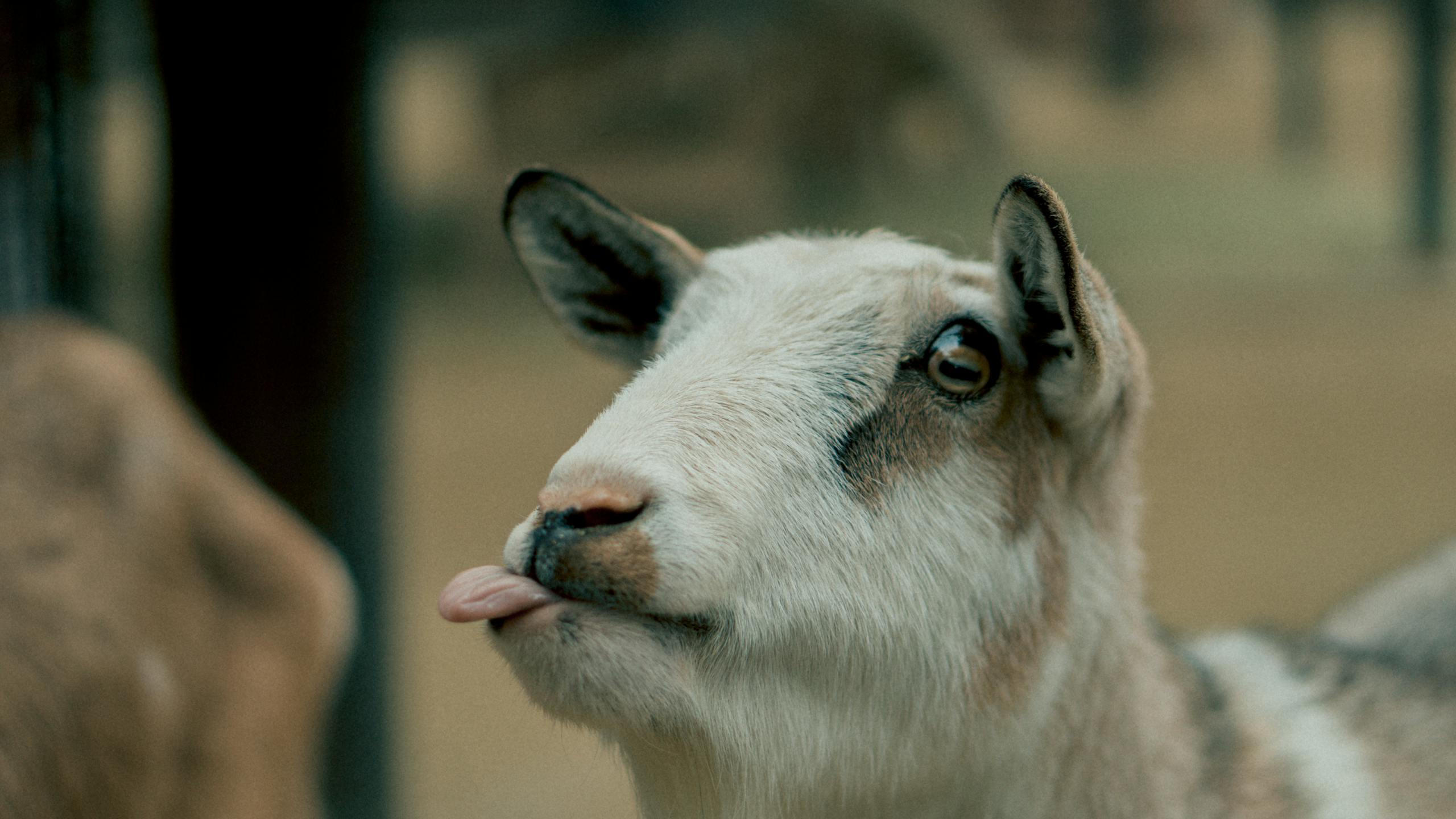
Pygmy goats have become one of the most sought-after small livestock animals in the United States, especially among beginners, hobby farmers, and families looking for friendly, low-maintenance companions. Known for their compact size, playful personalities, and adaptability, these goats fit well into a variety of living environments—from small rural farms to larger backyards with proper space and care. Unlike larger livestock breeds, pygmy goats are easier to handle, require less feed, and can thrive with relatively simple housing setups. Their social nature makes them particularly appealing, as they bond well with humans and other animals, but it also means they should always be kept in pairs or small groups. Whether your goal is to raise them as pets, start a small homestead, or simply enjoy their lively behavior, understanding their needs is essential before bringing them home.
In this guide, you’ll learn everything about pygmy goats, including their characteristics, care requirements, costs, and where to find them in the USA if you’re ready to buy.
What is a Pygmy Goat?
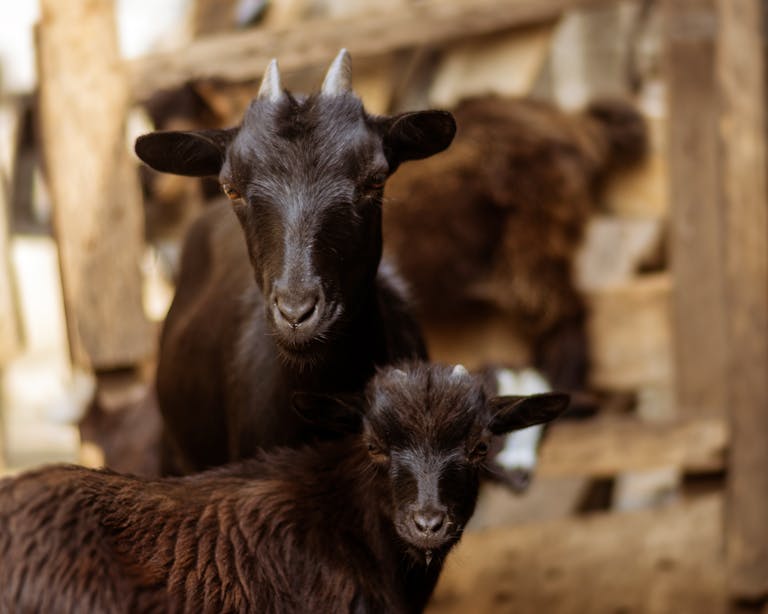
Pygmy goats are a small domestic goat breed originally from West Africa. Unlike standard dairy goats, they are bred primarily as pets or companion animals rather than for milk production. These little goats are sturdy, full of energy, and have the sweetest personalities, making them a hit on small farms and even in family backyards. Because they adapt so well to different climates and living conditions, pygmy goats have become a favorite among both first-time owners and experienced goat lovers.
History and Origin:
Lets talk a little about their history and origin. So a pygmy goat, also known as an American Pygmy, is a breed of dwarf goat that was brought from West Africa to America between the 1930s and 1960s. Initially, these West African Dwarf goats were brought here for zoos and research, but later they were bred as companion animals and milk goats. By the 1970s there were two distinct different of breeds: the American Pygmy, that was bred for companionship and the Nigerian Dwarf, bred for milk. Pygmy goats belong to the West African Dwarf group, a hardy lineage adapted to tropical climates.
For readers who want more scientific details about this breed’s genetics and characteristics, check out the FAO DAD-IS American Pygmy Goat datasheet
Size and Lifespan
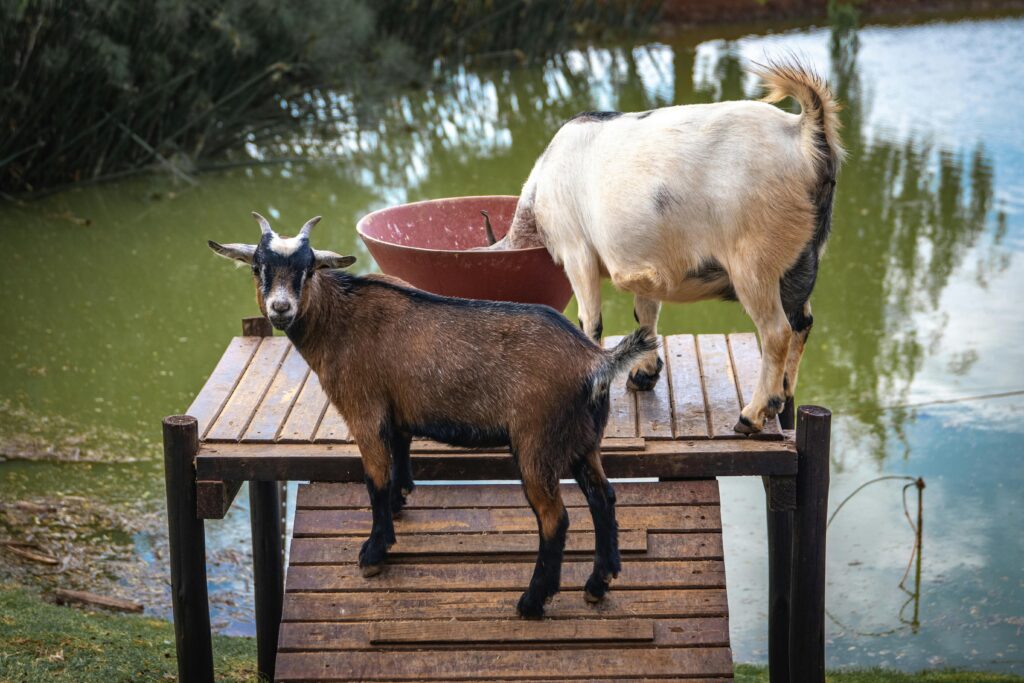
Pygmy goats are known for their short, muscular bodies and adorable round bellies. Their compact size is one of the main reasons they are so popular among small-scale farmers and backyard owners, as they require less space compared to larger goat breeds while still being hardy and resilient.
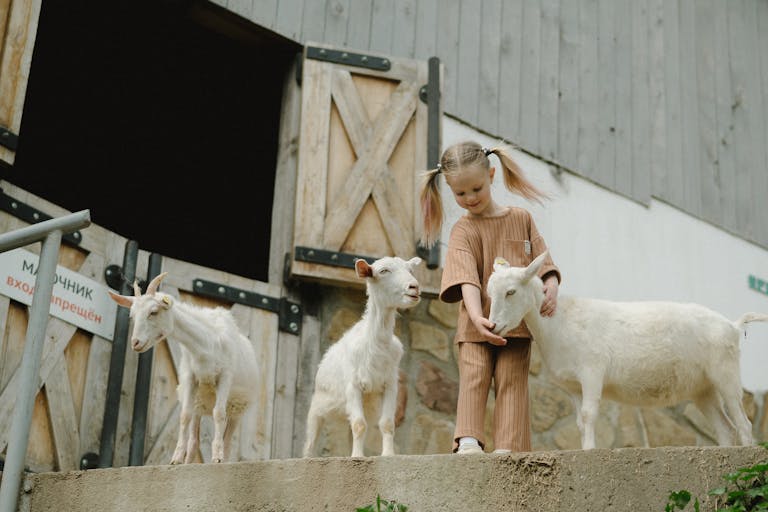
Despite their small stature, pygmy goats are strong and well-built. They adapt well to different climates across the United States, provided they have proper shelter and care. Their manageable size also makes them easier to handle, especially for beginners and families with children.
When it comes to lifespan, several factors play a role, including diet, housing conditions, veterinary care, and overall management. With consistent care and a balanced diet, pygmy goats can live long, healthy lives and remain active well into their later years.
- Average height: 40–50 cm (16–20 inches)
- Average weight: 35–60 pounds
- Lifespan: 10–15 years with proper care
Providing proper nutrition, regular health checkups, and a safe environment can significantly increase both their lifespan and quality of life, making them a long-term and rewarding addition to your farm or home.
Temperament
Pygmy goats are widely known for their friendly, playful, and social nature, making them one of the best goat breeds for beginners and families. They are naturally curious and love to explore, often climbing on objects and interacting with their surroundings. Their strong herd instinct means they thrive on companionship and should never be kept alone—pairs or small groups help them stay happy, active, and stress-free. With regular human interaction, they can become affectionate and form strong bonds with their owners.
They are generally gentle and easy to handle, which makes them suitable for children, small farms, and even petting environments. However, they can also be a bit mischievous—known for jumping, climbing, and testing fences. Pygmy goats are quite vocal as well, often bleating to express hunger, excitement, or a need for attention. Overall, their intelligence, friendliness, and lively personality make them excellent pets for anyone who can provide proper care, space, and companionship.
Whats the Difference Between Pygmy,Mini, Micro, and Miniature Goats?
|
Type of goat |
Description |
|
Pygmy Goats |
A true, recognised breed known for their compact, muscular build and hardy nature. Extremely popular as pets and companions. |
|
Miniature Goats |
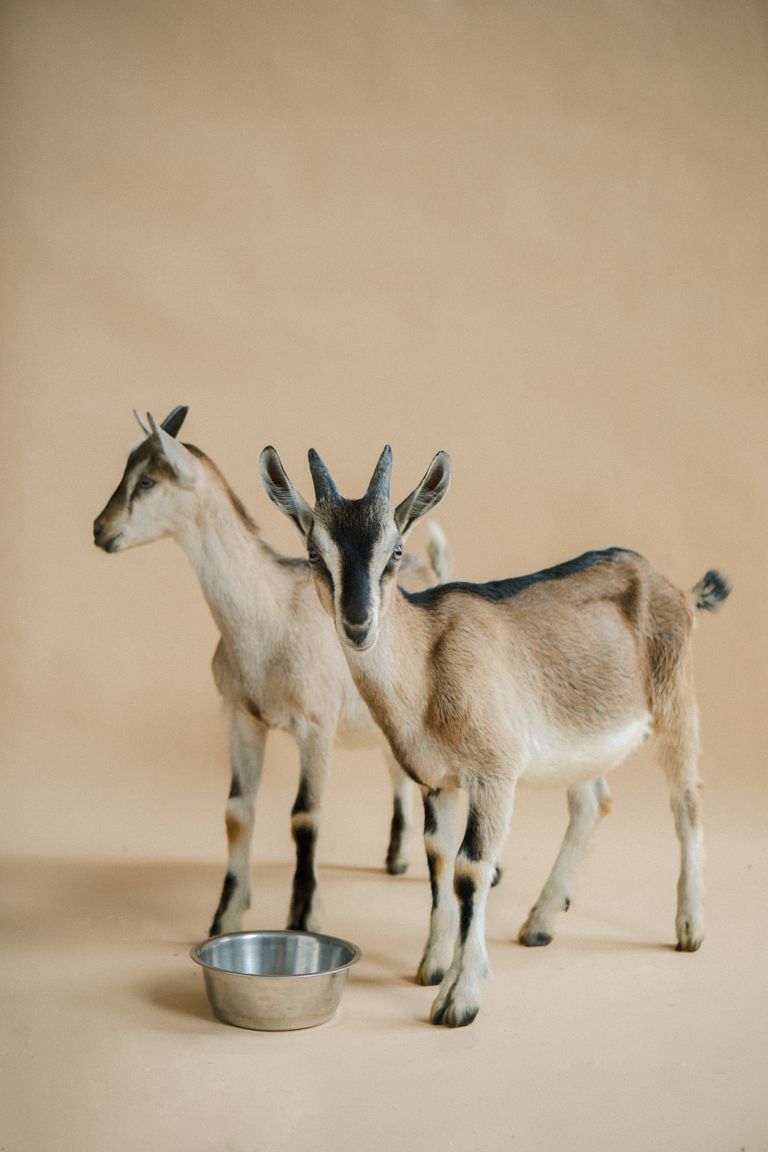
A general term for small goat breeds — may include Pygmy or Nigerian Dwarf goats. Not a separate breed |
|
Mini Goats |
Another term Often used interchangeably with “miniature goats,” usually referring to smaller or selectively bred versions of standard goats. |
|
Micro Goats |
A marketing term for very tiny goats, often selectively bred to be smaller than standard pygmies. Not officially recognised as a breed. |
If you want to know more about mini goats then, be sure to check out our detailed guide on mini goat breeds .
Caring for your Mini Pygmy Goats
It’s also important to understand that the initial purchase price is only part of the total cost of ownership. Expenses like housing, fencing, feed, and veterinary care should also be considered before bringing goats home. These ongoing costs can vary significantly depending on your setup and herd size.
Caring for pygmy goats is fairly straightforward once you understand their basic needs. They are hardy, adaptable animals, but they still require proper feeding, secure housing, regular health care, and social interaction to stay healthy and happy long-term. Consistency is the key to raising well-adjusted goats.
1. Feeding & Nutrition
Proper nutrition is essential for happy and healthy pygmy goats. They need a diet rich in fiber and essential nutrients to stay healthy and maintain proper digestion. Key items include:
- Main diet: Good-quality hay should always be their primary food source.
This supports healthy rumen function and provides essential fiber. - Pasture grazing: Fresh grass can be added when available, but it should not replace hay.
A hay-based diet remains essential year-round. - Minerals: Provide a goat-specific mineral block or loose minerals.
These ensure they receive important vitamins and trace nutrients. - Water: Clean, fresh water must always be available, especially in hot weather.
- Grain (optional): Only use in small amounts for pregnant, nursing, or underweight goats.
Overfeeding grain can lead to serious digestive issues.
You can find pygmy goat feeders, mineral blocks, and quality hay online from stores like Amazon or Tractor Supply.
2. Housing & Fencing
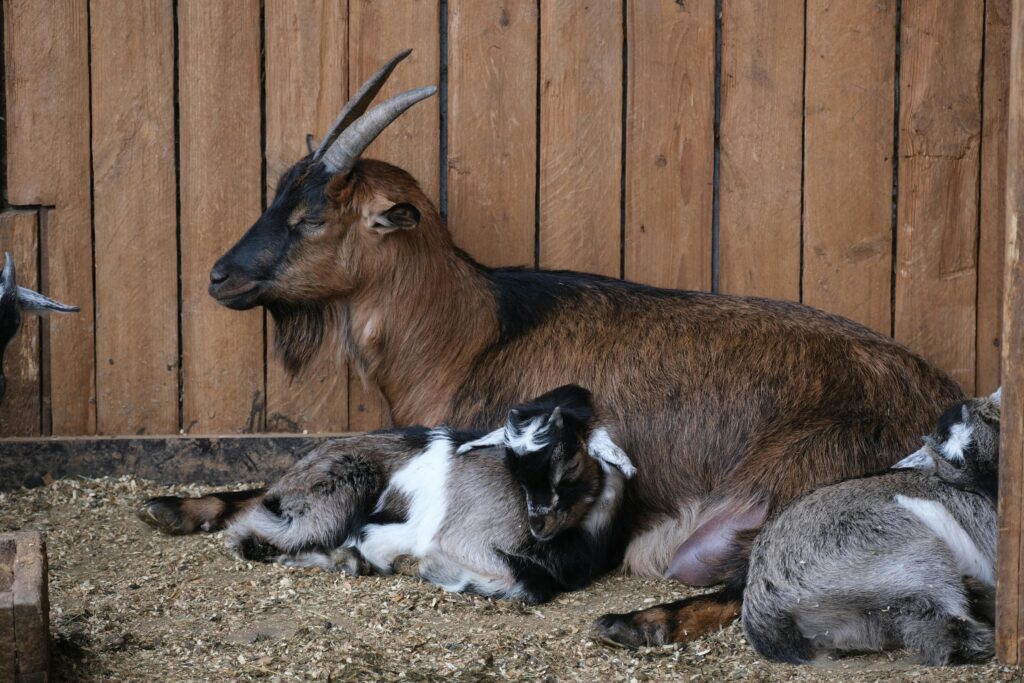
A safe and cozy home is just as important as good food. Pygmy goats are curious little escape artists, so make sure to provide:
- Shelter: A dry, well-ventilated barn or shed is ideal.
It should protect them from rain, wind, heat, and cold. - Cleanliness: Bedding should be kept dry and regularly cleaned to prevent disease.
- Fencing: Strong fencing at least 4–5 feet high is essential.
Pygmy goats are active climbers and skilled escape artists. - Security: Gates should be properly locked and reinforced to prevent escapes.
- Space & enrichment: Provide room to move and add logs, ramps, or platforms.
This helps keep them physically active and mentally stimulated.
3. Health & Veterinary Care
Regular Health checks keeps your mini goat happy and healthy By following these simple steps, you can raise a healthy goat companion:
- Hoof trimming: Every 4–6 weeks to prevent pain and mobility issues.
- Deworming: Only when needed, ideally based on veterinary guidance.
- Vaccinations: CDT vaccine is commonly recommended for disease protection.
- Parasite control: Watch for mites, lice, and internal worms, especially in warm seasons.
- Health monitoring: Healthy goats are active, alert, and eat regularly. Signs like lethargy, diarrhea, loss of appetite, or isolation may indicate illness and require vet attention.
Disclaimer:
This guide is for informational purposes only and is not a substitute for professional veterinary advice. Always consult a qualified veterinarian for any health concerns or specific care instructions for your pygmy goat.
4. Social Needs & Behavior
Pygmy goats are highly social animals and depend heavily on companionship.
- They should always be kept in pairs or small groups.
- A single goat can become stressed, lonely, or withdrawn.
- They form strong bonds within their herd and with humans over time.
- Playful, curious, and interactive by nature, they need both social and mental stimulation.
5. Daily Care Routine
A simple daily routine helps maintain overall health and stability.
- Provide fresh water every day.
- Feed hay consistently at set times.
- Check fencing and shelter for any damage.
- Observe behavior for early signs of illness.
- Keep living areas clean and dry to prevent infections.
6. Environmental Comfort
Goats adapt well, but extreme weather still requires management.
- Hot weather: Provide shade and good airflow to prevent heat stress.
- Cold weather: Ensure a dry, draft-free shelter for warmth.
- Wet conditions: Avoid muddy areas as they increase hoof problems and parasites.
Quick Checklist for New Owners
Before bringing your pygmy goats home, make sure you’re prepared with these basics:
- Install safe goat pen to keep them secure.
- Provide A strong and sturdy shelter ready to protect them from extreme weather.
- Set up food and water setup in a clean, accessible place.
- Have vet contact ready for routine and emergency care.
- Plan for at least two goats—since they’re herd animals, they need companionship.
With proper feeding, housing, and health care, your pygmy goats will thrive. A secure goat pen gives this mini goat breed the safe space they need to stay happy and active. In return, they’ll bring you years of playful antics, affection, and joy.
How Much Do Pygmy Goats Cost?
One of the most common questions potential owners ask is, “How much do pygmy goats cost?” On average, pygmy goats in the United States typically range between $100 to $500 per goat, although prices can sometimes go higher depending on quality, lineage, and demand. Factors such as age, health, breeding history, and location all play an important role in determining the final price.
Typical Price Range
| Type of pygmy goat | Average Price Range |
|---|---|
| Unregistered pygmy goats | $100–$300 each |
| Registered or breeder-quality goats | $400–$500+ |
| Rare colors or proven breeding stock | $600–$1,000+ |
Prices are not fixed and can vary depending on breeder reputation, region, and availability. In some cases, younger goats may be more affordable, while trained or breeding-ready goats tend to cost more due to their added value. depending on your location and how reputable the breeder is — but this gives you a solid starting point before bringing home your new tiny goat friends.
Factors Affecting Price
The price of pygmy goats can vary significantly depending on several important factors. Understanding these helps buyers avoid overpaying and choose goats that best match their goals—whether for companionship, breeding, or small-scale farming.
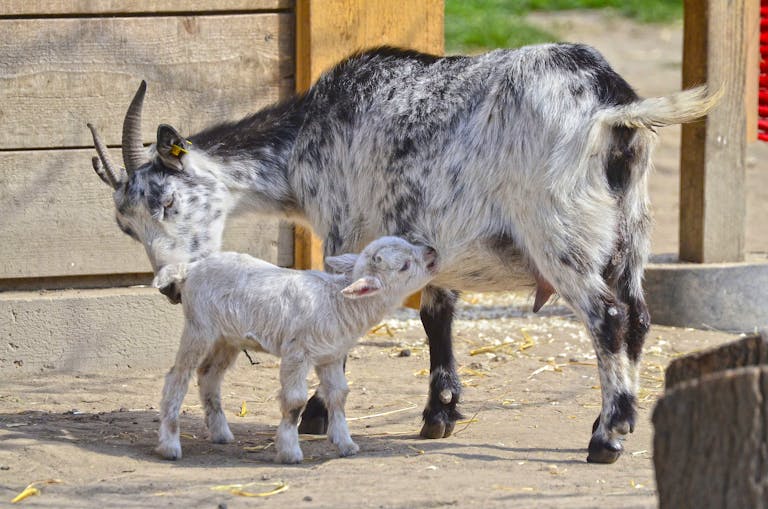
- Age: Baby goats (kids) are usually more affordable because they require extra time, feeding, and care before they are fully grown. However, they also require training and socialization. Mature goats—especially those that are already trained, well-socialized, or proven breeders—are typically more expensive because they are immediately ready for handling or breeding purposes.
- Pedigree and registration: Goats with official registration papers or documented lineage from reputable breeders are priced higher. These goats are often selected for breeding programs or shows, where genetics, purity, and breed standards are important. Lack of registration doesn’t always mean lower quality, but it does affect market value.
- Color and markings: While pygmy goats are naturally diverse in appearance, certain rare or visually striking color combinations can increase demand and price. Breeders who specialize in specific traits may also charge more for consistency and quality in their herds.
- Health and vaccinations: Goats that are dewormed, vaccinated, and raised in clean, well-managed environments are more valuable. A healthy goat reduces long-term veterinary costs and ensures smoother integration into an existing herd. Buyers often prefer farms that provide health records.
- Breeder reputation and location: Well-known breeders with strong reputations often charge higher prices due to trust, care standards, and demand. Location also matters—prices may vary between rural farms and high-demand regions in the USA.
- Purpose of purchase: Whether the goat is intended for companionship, breeding, or show purposes can also influence price. Breeding-quality goats and show-ready animals are generally the most expensive due to their superior genetics and training.
If you’re actively searching for pygmy goats for sale, you may also come across listings for miniature goats or micro goats. While these terms are often used interchangeably in online listings, pricing and quality can vary depending on breeder standards, demand, and regional availability.
Where to Buy Pygmy Goats
Finding the right sellers is just as important as choosing the right goat. If you’re searching for pygmy goats for sale near me, always check verified local breeders or farm listings before making a purchase. Prices, care quality, and breeding practices can vary widely, so it’s important to do your research and ask for references. Many reputable breeders provide detailed information about their goats’ lineage, vaccinations, and temperament to ensure you bring home a healthy, happy pet.
For those exploring online options, farm marketplaces and agricultural websites can be useful, but always verify reviews and credentials before completing a transaction.
Options for Buying
- Breeders: Reputable breeders provide registered goats with pedigrees detailed health records.
- Local farms: Small farms often sell pet-quality pygmy goats and can give you in-person guidance.
- Online marketplaces: Websites like Openherd.com, Craigslist.org, or Facebook Marketplace can help you find pygmy goats, but always verify the seller.
- Rescue centers: Occasionally, pygmy goats are rehomed through rescues.
Tips to Avoid Scams
- Always visit your local farm in person.
- Ask for health records and proof of vaccinations.
- Beware of sellers with only online contact and no physical location.
- Avoid deals that sound too good to be true.
Bottom line: If a deal seems too easy, too cheap, or too convenient, it’s probably a scam. Always buy from trusted local breeders, ask lots of questions, and never rush into sending money before you’ve verified the seller.

Why Pygmy Goats Make Great Pets
Pygmy goats aren’t just farm animals—they quickly become affectionate companions full of personality and charm. They are naturally curious, social, and enjoy being part of daily life around the home or homestead. Over time, they often form strong bonds with both people and other animals, making them one of the most popular small livestock pets.
- Friendly nature: Pygmy goats bond easily with humans, enjoy attention, and may even follow you around the yard or farm.
- Small size: Their compact build makes them much easier to handle compared to larger goat breeds, especially for beginners.
- Family-friendly: They are gentle and playful, making them a great choice for families with children.
- Low maintenance: They require less space and feed than larger livestock but still provide plenty of interaction and enjoyment.
Whether you live on a small farm, a homestead, or even have a large backyard, pygmy goats can adapt well and quickly become part of the family environment.
Final Thoughts
Pygmy goats tend to do best in environments where their social and behavioral needs are taken seriously, not just their physical care. They are highly observant and responsive animals that quickly learn daily routines, recognize people, and adapt their behavior based on how consistently they are handled and managed. Even small changes in feeding times, enclosure setup, or human interaction can influence their mood and activity levels. Because of this sensitivity to routine, stability and consistency become key factors in keeping them calm, confident, and well-adjusted over the long term. They also rely heavily on social structure, so their behavior is strongly shaped by the presence of other goats and the quality of their interactions within the herd. When these social and environmental needs are met properly, they tend to remain active, engaged, and far easier to manage in everyday care.
At the same time, working successfully with pygmy goats requires realistic expectations. They are friendly and engaging, but also naturally active, curious, and persistent in testing boundaries, especially in new or unstimulating environments. Owners who understand these traits and design their setup accordingly—providing structure, safe space, and appropriate interaction—tend to have far better long-term outcomes. When matched with the right conditions, pygmy goats integrate smoothly into daily life and become highly interactive animals that add both function and personality to a homestead or backyard.
FAQs:
How much do pygmy goats cost?
Pygmy goats in the USA typically cost between $100 and $500, depending on age, health, and breeder quality. Registered or breeding-quality goats can range from $600 to $1,000 or more. Prices vary by location and availability, so it’s best to compare listings from multiple breeders before buying.
How much is a pygmy goat overall?
Beyond the initial purchase price, you should budget for ongoing costs such as feed, shelter, fencing, and veterinary care. While pygmy goats are relatively affordable, the total cost of ownership is higher than just the buying price.
Where can I buy pygmy goats in the USA?
You can buy pygmy goats from local breeders, small farms, and agricultural marketplaces. The best approach is to check verified breeders in your state and visit farms in person whenever possible. You can also explore curated breeder listings on this page to find trusted sellers near you.
Where to buy pygmy goats near me?
If you’re searching for pygmy goats for sale near you, start by looking at local farms and breeder directories in your region. Availability varies by state, so checking nearby listings and contacting breeders directly is the fastest way to find goats.
Are pygmy goats good pets?
Yes, pygmy goats are known for their friendly, social, and playful nature, making them great pets for families and small farms. However, they require proper care, space, and companionship, as they should always be kept in pairs or small groups.
How big do pygmy goats get?
Pygmy goats are small and compact, typically reaching 16–20 inches in height and weighing around 35–60 pounds. Their manageable size makes them easier to handle compared to larger goat breeds.
How long do pygmy goats live?
With proper care, pygmy goats usually live between 10 to 15 years. Their lifespan depends on diet, housing, health care, and overall management.
What do pygmy goats eat?
Pygmy goats primarily eat hay, fresh grass, and mineral supplements. A balanced diet with proper nutrition is essential for maintaining their health and longevity.