What It’s Actually Like to Own a Hoop Barn in 2026
The Real-World Truth: What It’s Actually Like to Own a Hoop Barn
When you’re standing in a dealership or looking at a glossy brochure, every building looks like a dream. But as any homesteader knows, the “honeymoon phase” with a new barn ends after the first massive blizzard or the first summer heatwave. To give you the full picture, we’ve spent hours digging through ranching forums and talking to long-term owners to see how these structures hold up after a decade in the field.
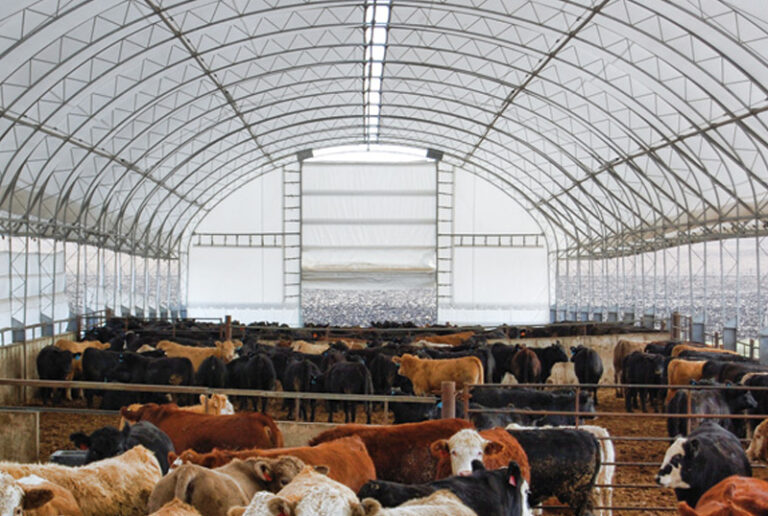
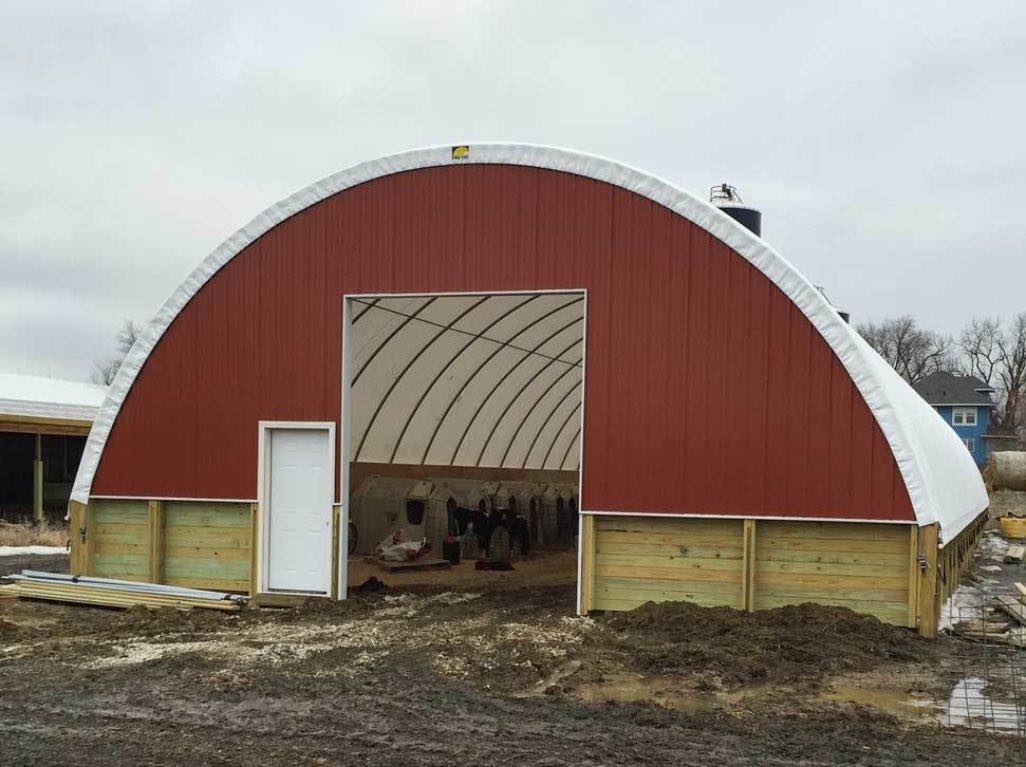
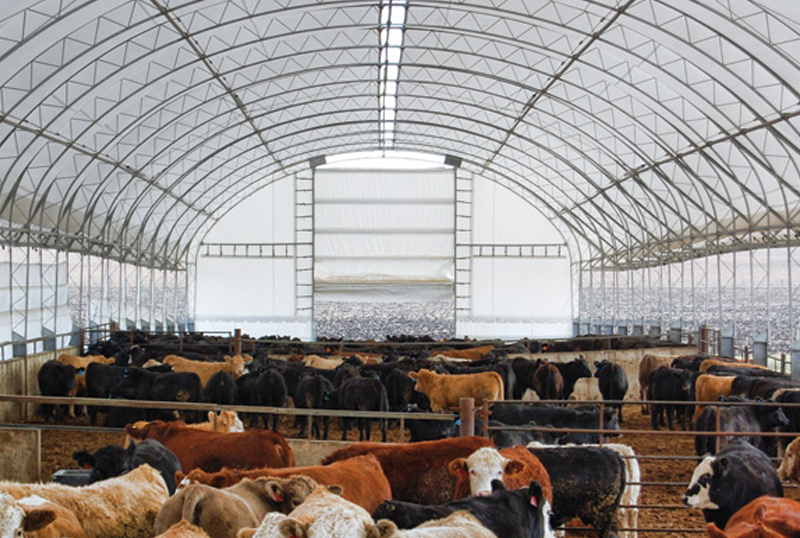
One of the most consistent “pro” reviews you’ll hear involves the sheer quality of the environment inside. Traditional metal barns can feel oppressive; they’re dark, they echo, and they tend to trap smells. Because the fabric on a hoop barn is translucent, the interior stays flooded with soft, natural light. Farmers who house livestock, like sheep or dairy cows, often report that their animals are calmer and healthier because the lighting mimics the outdoors without the harsh wind. Plus, you’ll find yourself saving a significant chunk of change on your monthly electric bill because you won’t need to flip a switch until the sun is completely down.
However, the “cons” are just as important to discuss. The most common “real-world” complaint is the noise. If you live in a high-wind corridor, a hoop barn that isn’t perfectly tensioned will “drum” or flap. This isn’t just a minor annoyance; that constant vibration is actually the fabric microscopic-level tearing against the steel ribs. Another thing to consider is your “side-yard” space. Unlike a vertical-walled barn where snow might slide off and stay put, a hoop building sheds snow with incredible speed. If you have a 40-foot wide barn, you might end up with a 6-foot mountain of snow on both sides of the building after a storm. You have to plan your site drainage and your tractor paths with that “snow dump” in mind, or you’ll find yourself literally dug into your own barn.
Deep Dive: The DIY Installation Process (What the Manual Doesn’t Tell You)
So, you’ve decided to save a few thousand dollars and tackle the installation yourself. It’s a rewarding project, but it’s one that requires patience and a few “insider” tricks to get right. The biggest mistake beginners make is rushing the foundation. Whether you’re using auger anchors directly in the dirt or building a beautiful concrete “pony wall,” your base must be perfectly square and level. If your foundation is even two inches off from front to back, the tension on your fabric will be uneven, and you’ll find yourself with a “wrinkle” that you can never quite get out.
The most intense part of the process is “The Big Pull”—getting that massive, heavy sheet of PVC over the top of the steel hoops. This is where you need to recruit your friends and neighbors. You’ll want to have a person at every main hoop with a pull-rope. The secret here is to communicate. You want the fabric to move up the “mountain” of the frame at the same speed on both ends. If one side gets ahead of the other, the fabric will bunch up and snag on the steel.
Once the fabric is over, don’t try to get it “permanent-tight” on day one. Fabric is a living material; it reacts to the temperature. We recommend getting it “snug” and then letting it sit in the sun for at least 6 to 12 hours. As the sun warms the PVC, the material becomes much more elastic. This is your window of opportunity. Go back through with your ratchets and give them those final few cranks. You’re looking for a surface that feels like a trampoline. If you can walk up and push on the side with your hand and see the fabric move more than an inch, it’s still too loose. A tight cover is a long-lasting cover.
Maximizing Longevity: The Science of Fabric Maintenance

A lot of folks think a hoop barn is a “set it and forget it” structure, but if you want to push that fabric toward a 25-year lifespan, you need to be proactive. The number one killer of fabric isn’t the wind or the snow—it’s actually friction. Think about a piece of sandpaper rubbing against a piece of wood; over time, even light pressure will wear a hole. In a hoop barn, the “sandpaper” is the dust and grit that gets between the steel hoop and the fabric cover. When the wind blows, the fabric moves slightly, rubbing against the steel.
To prevent this, many high-end installers use “felt tape” or a barrier strips on top of the steel hoops before the fabric goes on. If your kit didn’t come with this, it’s worth the $200 investment to buy it separately. It provides a smooth, soft surface for the fabric to rest on.
Furthermore, you need to be a “tension hawk.” At least once a season—especially after the first big temperature swing in autumn—walk the perimeter of your barn and check your winch straps. It’s common for a new building to “settle” and for the fabric to stretch slightly in its first year. If you catch a loose strap early, it’s a 30-second fix with a ratchet. If you leave it for a month, that loose section will vibrate in the wind, wearing down the UV coating and inviting a tear.
The Legal Side: Permits, Zoning, and “Temporary” Status
One of the “hidden” benefits that makes hoop barns so popular for homesteaders is how they are viewed by local government. In many counties across the United States, a building without a permanent concrete foundation is classified as a “temporary agricultural structure” or “portable equipment.”
Why does this matter? Two reasons: Permits and Taxes. In many jurisdictions, you can bypass the expensive and time-consuming building permit process if your structure is considered “temporary.” However, you should never assume this is the case. Always make a quick, anonymous call to your local zoning office. Ask them, “What are the rules for a tension-fabric agricultural building on a gravel pad?” From a tax perspective, a traditional pole barn adds “permanent value” to your land, which usually triggers an increase in your property taxes. Because a hoop barn can (theoretically) be disassembled and moved, many tax assessors don’t count it as a permanent improvement to the real estate. Over 20 years, the tax savings alone could literally pay for the cost of a replacement cover!
Final FAQ: Everything Else You Need to Know
Can I insulate a hoop barn?
You can, but it’s tricky. Some companies offer a “double-cover” system where an inner liner is installed, and insulation is blown in between. However, for most homesteaders, if you need a fully insulated shop, a pole barn is usually a more cost-effective choice. Hoop barns excel at being “breathable” shelters.
What happens if a tree limb pokes a hole in the fabric?
Don’t panic. Unlike a metal sheet that might need to be completely replaced, fabric is incredibly easy to repair. You can buy “heat-bond” tape or specialized PVC patches that create a permanent, waterproof seal in minutes. It’s a lot like patching a pool liner or a tent.
Will the white fabric get dirty and look ugly?
Over time, yes, you’ll get some algae or dust buildup, especially if you’re under trees. However, a simple mixture of mild soap and a long-handled soft brush (like you’d use to wash an RV) will take most of that grime right off. Most farmers find that the rain does a “good enough” job of keeping it looking decent.
What happens if a tree limb pokes a hole in the fabric? Don’t panic. Unlike a metal sheet that might need to be completely replaced, fabric is incredibly easy to repair. You can buy “heat-bond” tape or specialized PVC patches that create a permanent, waterproof seal in minutes. It’s a lot like patching a pool liner or a tent.
Will the white fabric get dirty and look ugly? Over time, yes, you’ll get some algae or dust buildup, especially if you’re under trees. However, a simple mixture of mild soap and a long-handled soft brush (like you’d use to wash an RV) will take most of that grime right off. Most farmers find that the rain does a “good enough” job of keeping it looking decent.