What Do I Feed Newborn Chicks? 7 Powerful Tips for a Healthy Flock
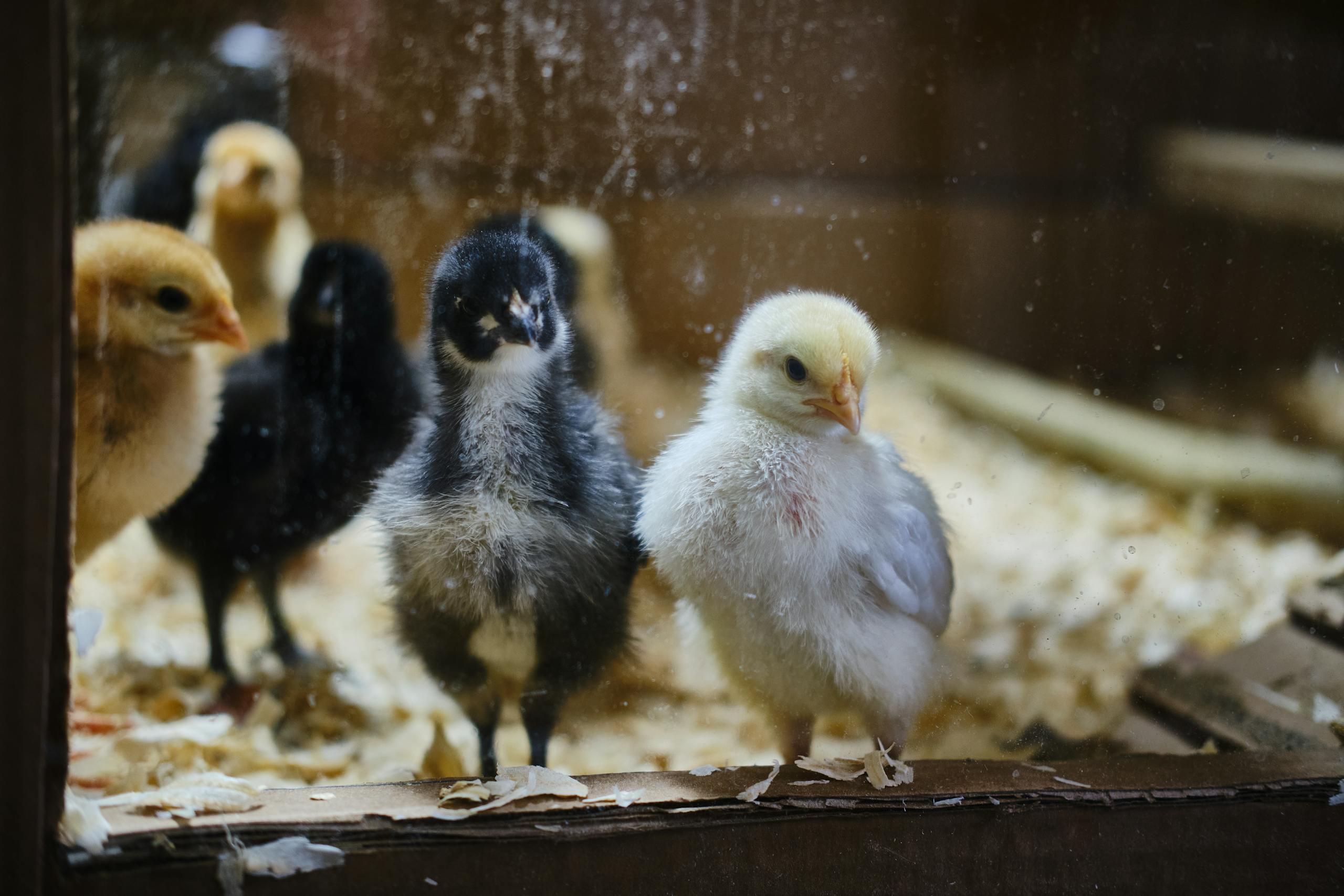
Bringing home a box of fluffy, peeping birds is a joyous milestone for any backyard farmer or homesteader. However, the excitement often turns to anxiety when the reality of care sets in. The most common question for beginners—and even some seasoned pros—is: what do i feed newborn chicks to ensure they survive the transition from the incubator to the brooder?
Providing the right nutrition isn’t just about filling a plastic bowl; it’s about meeting a complex set of biological demands. In the first few weeks of life, a chick will double its body weight several times. This rapid growth requires a precision-engineered diet. This guide will walk you through everything from the molecular needs of a hatchling to the physical equipment required to deliver that nutrition effectively.
The Critical First 48 Hours: Hydration and Energy
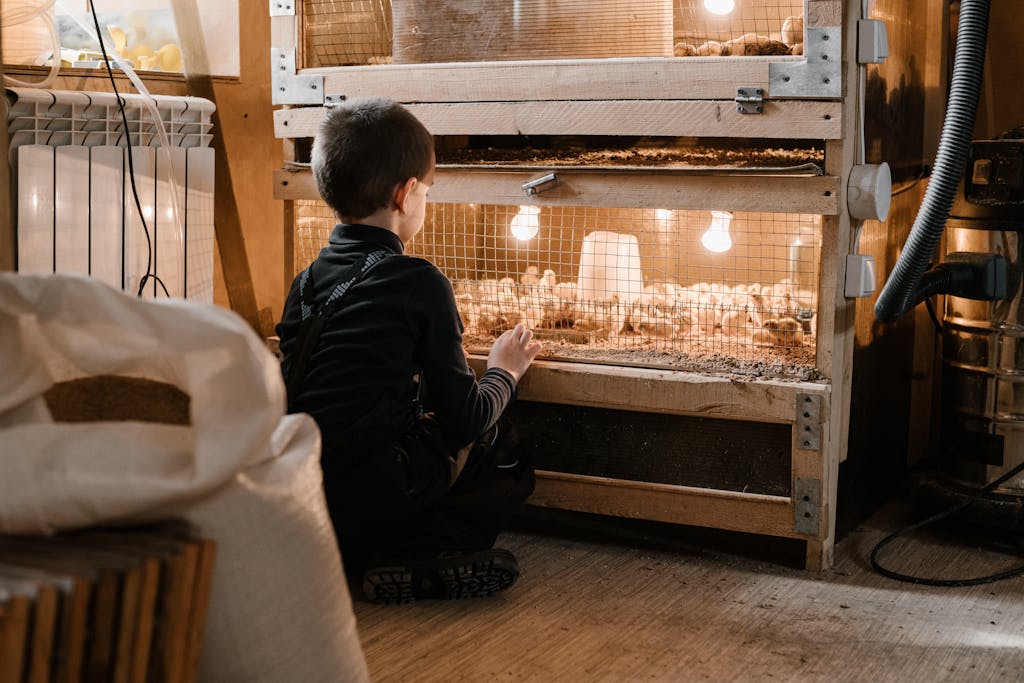
Before they even break through their shells, chicks absorb the nutrient-rich yolk sac. Nature designed this as a “survival pack,” providing them with enough energy to survive for up to 48 hours without external food. This biological quirk is what allows hatcheries to ship chicks across the country safely.
However, once they arrive in your brooder, their metabolism kicks into high gear. When you first ask, what do i feed newborn chicks, the answer isn’t actually food—it’s hydration.
When you move your chicks from their shipping box to the brooder, you must dip each chick’s beak into the waterer. This teaches them where the water is. Use room-temperature water. Cold water can chill a chick, leading to “pasting up” or death. Many experts recommend adding a tablespoon of raw apple cider vinegar per gallon of water to support gut acidification, which helps fight off bad bacteria.
What Do I Feed Newborn Chicks? The Core Nutritional Pillars
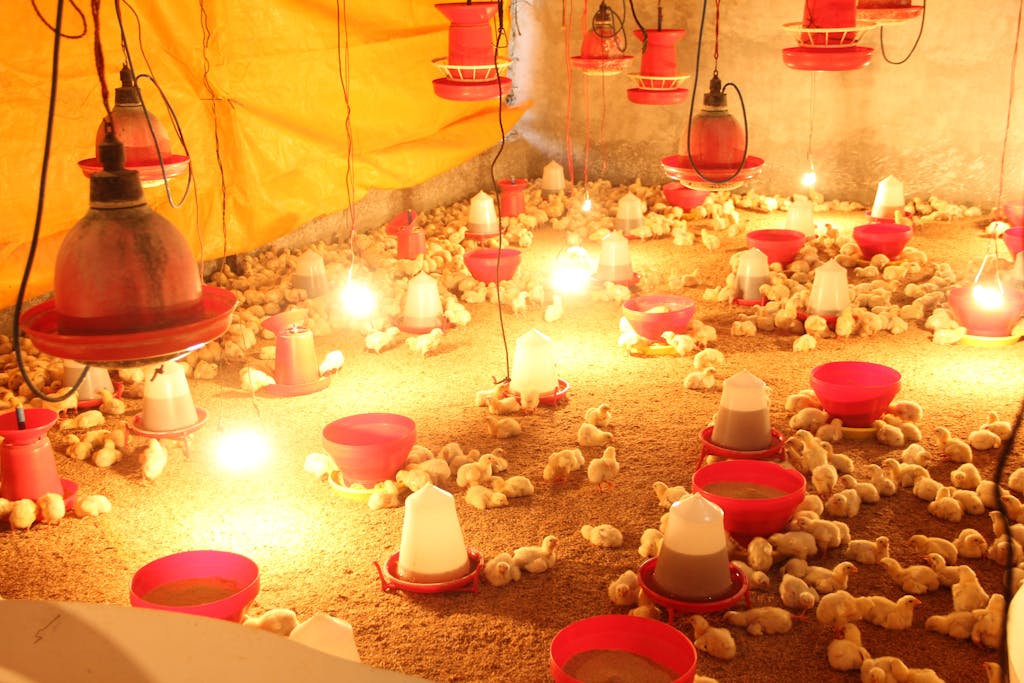
The foundation of your flock’s health is “Starter Feed.” This is a high-protein crumble specifically formulated for birds from day 1 to week 8. When analyzing what do i feed newborn chicks, you must look at the “Guaranteed Analysis” label on the back of the bag.
Protein Requirements
Chicks are essentially little feather-making machines. Feathers are made of protein (keratin). Therefore, chicks require a diet containing 18% to 22% protein. If you feed them adult layer feed (which is usually 16% protein), their growth will be stunted, and they may suffer from skeletal deformities because their bodies are trying to grow faster than their nutrition allows.
Amino Acids
Protein is made of amino acids. For poultry, Lysine and Methionine are the most critical. Most high-quality commercial feeds, such as those formulated by Nutrena Poultry Nutrition, ensure these levels are balanced. Without these, chicks can develop neurological issues or poor feathering.
Vitamins and Minerals
Vitamin A, D3, and E are non-negotiable. Furthermore, calcium levels in starter feed are kept low (around 1%). This is a crucial distinction. You should never feed “Layer Feed” to chicks. Layer feed contains 4% or more calcium to help hens make eggshells. For a chick, that much calcium can cause irreversible kidney damage.
3. Commercial Feed Options: Medicated vs. Non-Medicated
When you head to the feed store, you’ll see two main types of starter crumbles. Deciding between them is a major part of the what do i feed newborn chicks debate.
- Medicated Starter: This contains Amprolium. It is not an antibiotic. Amprolium is a coccidiostat that reduces the growth of Coccidia (a common intestinal parasite). It allows the chick to build its own immunity slowly.
- Non-Medicated Starter: This is for those raising organic flocks. If you choose this, you must be extremely diligent about brooder cleanliness to prevent outbreaks.
Choosing and Managing Your Chick Feeder
Having the perfect nutritional balance is useless if the birds can’t access the food or, worse, if they contaminate it. A dedicated chick feeder is an essential piece of infrastructure.
The Problem with Open Bowls
Never use a standard open bowl for chicks. They will instinctively scratch at the ground while eating, which means they will kick bedding, poop, and debris into their food. This leads to wasted feed and disease spread.
Gravity-Fed Systems
A high-quality chick feeder usually features a gravity-fed reservoir with a base that has small holes. These holes are sized specifically for a chick’s head, preventing them from standing in the food.
Height and Hygiene
As your chicks grow, you must adjust the height of the chick feeder. A good rule of thumb is to keep the base of the feeder level with the “middle of the chick’s back.” This prevents them from scratching bedding into the tray and encourages proper neck alignment while eating.
The DIY Route: Formulating Chick Feed DIY at Home
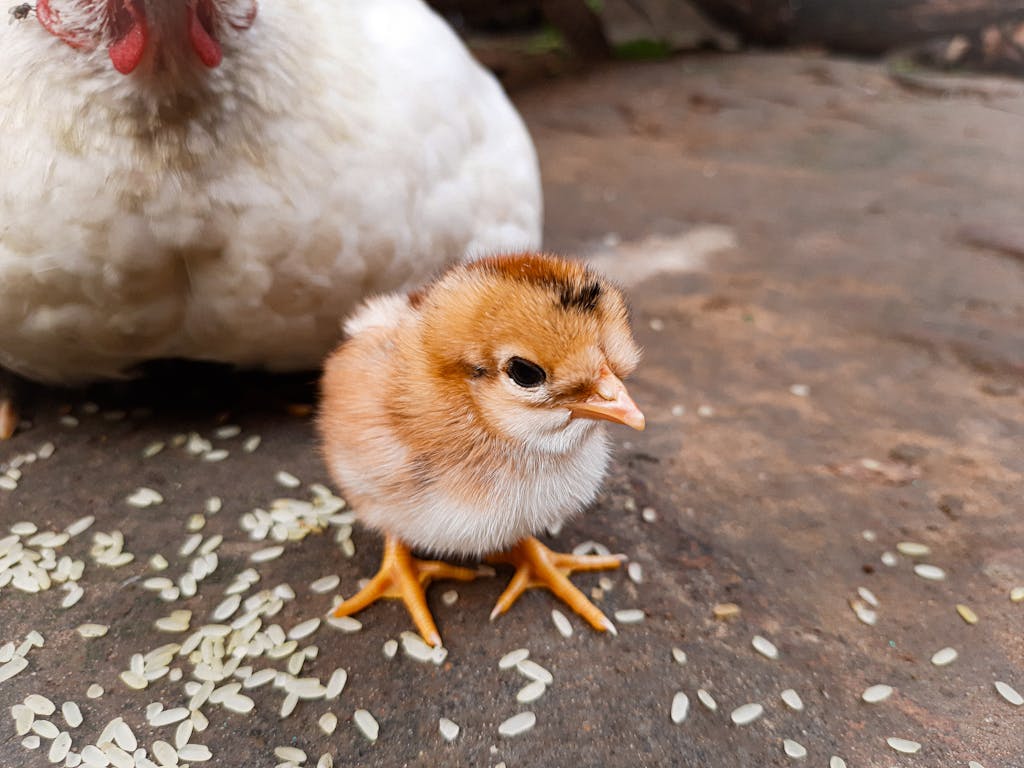
For the self-sufficient homesteader, a chick feed DIY approach offers total control over the food chain. Some people prefer DIY because they want to avoid soy, corn, or GMOs. However, making your own feed is a science. If you miss one mineral, you could lose your whole flock.
The Texture Challenge
Newborn chicks cannot swallow whole grains. If you are doing chick feed DIY, you must use a grain mill to grind your mix into a “crumble” or “mash.” If the pieces are too big, the chicks will starve while staring at a full bowl.
A Sample DIY Chick Starter Recipe (By Weight):
- 50% Corn: Provides the carbohydrates and energy.
- 25% Roasted Soybeans or Field Peas: The primary protein source.
- 15% Hard Red Wheat: Adds fiber and additional protein.
- 5% Fish Meal: Provides essential Omega-3s and Methionine.
- 5% Supplement Mix: This should include Nutri-Balancer, Kelp meal, and Salt.
Always consult a poultry nutritionist if you plan to use chick feed DIY as a long-term solution. For more detailed nutritional breakdowns, the Poultry Science Association offers extensive research on raw ingredient digestibility
The Vital Role of Grit and Digestive Health
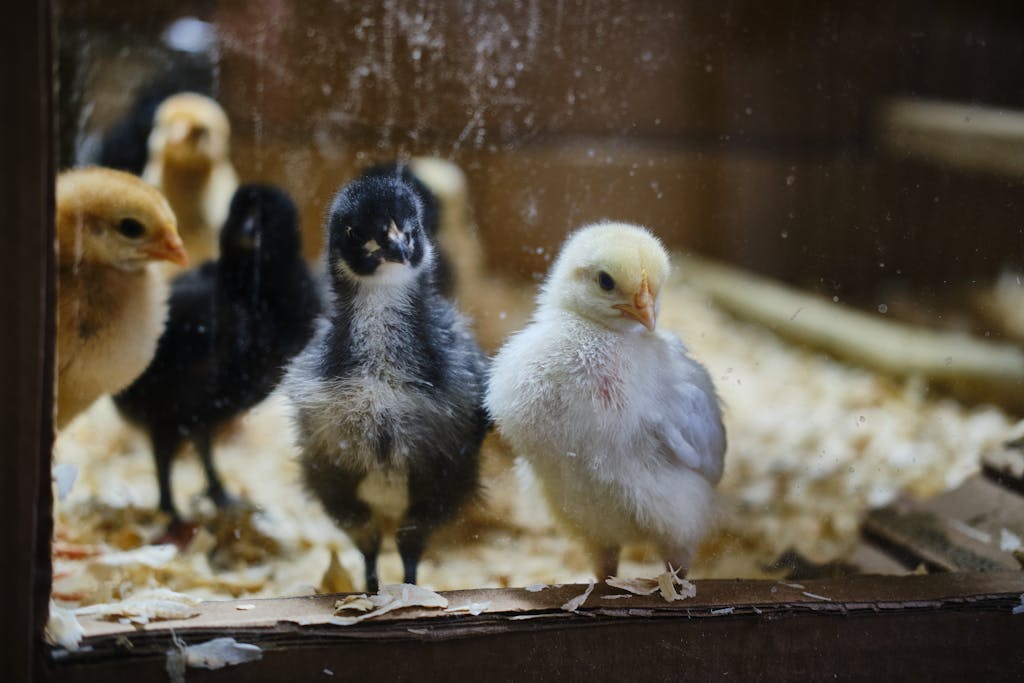
Chickens do not have teeth. They have a gizzard—a powerful muscle that grinds food down. To do this, they need “grit,” which are tiny rocks that stay in the gizzard to act as millstones.
If you are only feeding commercial crumbles, you don’t necessarily need grit because the crumbles dissolve in liquid. However, if you are using a chick feed DIY mix, or if you give them treats like dandelion greens or mealworms, you must provide chick-sized grit. Without it, the food will sit in their crop or gizzard and rot, leading to a fatal condition called “sour crop.”
7. Supplementation: When to Add Electrolytes and Herbs
While “starter feed” is the main answer to what do i feed newborn chicks, supplements can give them an edge.
- Probiotics: These “good bacteria” compete with harmful ones like Salmonella.
- Oregano Oil: Often used in organic farming, oregano has natural antimicrobial properties.
- Garlic: Many keepers add a crushed clove to the waterer to boost immune function.
Be careful not to over-supplement. The goal is to support the bird’s natural development, not to replace a balanced diet.
8. Common Feeding Mistakes and Troubleshooting
Even with the best chick feeder and the most expensive organic crumbles, things can go wrong.
- Pasty Butt: This is when droppings stick to the vent and harden, preventing the chick from pooping. It is often caused by stress or incorrect temperatures. Ensure your water is clean and your heat lamp isn’t too hot.
- Feeding Adult Treats: Never feed “scratch grain” to newborns. It is like feeding candy to a baby—it fills them up with empty calories and they won’t eat the protein-rich starter they need for growth.
- Moldy Feed: Brooders are warm and sometimes humid. This is a breeding ground for mold. Check your chick feeder daily for any clumps or “off” smells.
9. The Growth Timeline: From Starter to Grower
Knowing what do i feed newborn chicks is the first step in a larger journey. Their needs change rapidly as they age.
| Age Range | Diet Type | Protein % | Key Goal |
| 0 – 8 Weeks | Starter Feed | 20-22% | Rapid bone/feather growth |
| 8 – 20 Weeks | Grower Feed | 16-18% | Steady muscle development |
| 20+ Weeks | Layer Feed | 16% | Egg production (High Calcium) |
Transitioning Successfully
When you move from a chick feed DIY starter to a grower feed, do it gradually. Mix the two feeds together over a period of 7 days (25% new/75% old, then 50/50, etc.). This prevents digestive upset and ensures the birds don’t go on a “hunger strike” because their food looks different.
Summary Checklist for New Owners
- Water First: Dip beaks in electrolyte water immediately.
- High Protein: Use a 20% protein starter crumble.
- Right Equipment: Use a dedicated chick feeder to minimize waste.
- No Layer Feed: Avoid high-calcium adult food at all costs.
- Grit: Provide chick-sized grit if feeding anything other than crumbles.
Raising chicks is a rewarding experience that connects you to the source of your food. By focusing on the question, “what do i feed newborn chicks,” and providing a clean, nutrient-dense environment, you are ensuring that your tiny peeps grow into a robust, productive backyard flock.
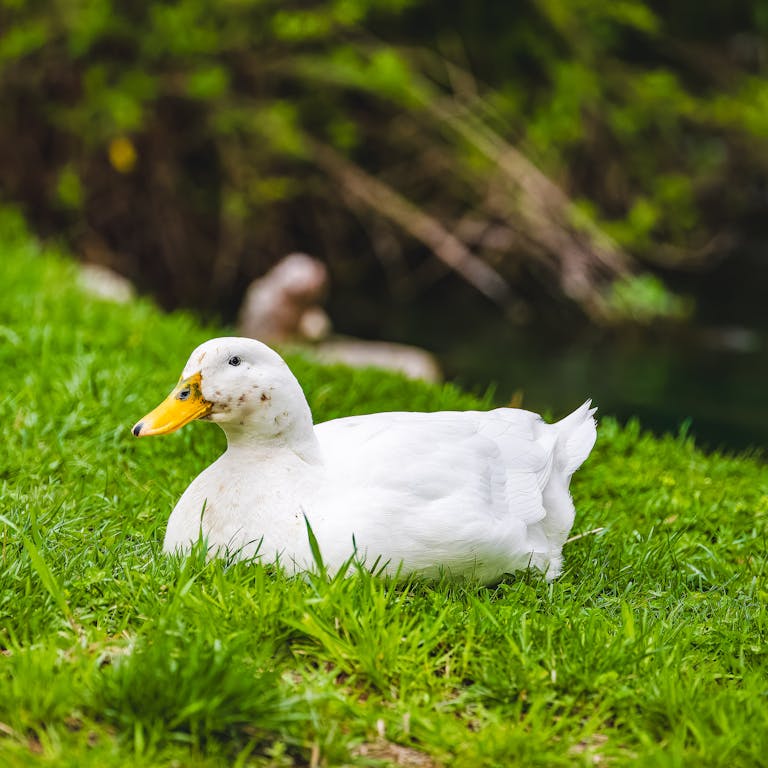
Once you have mastered the basics of feeding your new chickens, you may find yourself wanting to expand your feathered family even further. If you are curious about adding other friendly poultry to your homestead, be sure to read our comprehensive American Pekin Duck Buying Guide to see if these iconic white ducks are the right fit for your backyard!