The Ultimate Buyer’s Guide: Used Hoop Buildings for Sale in US
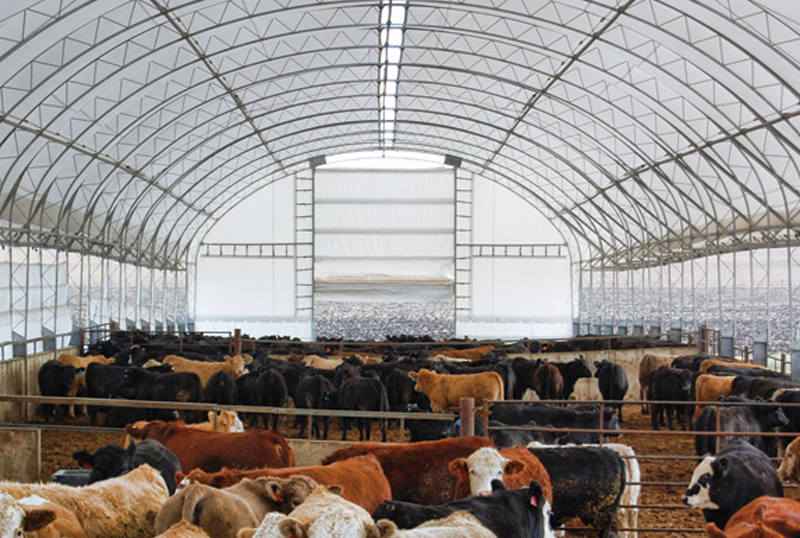
If you’re searching for used hoop buildings for sale, you’re likely looking for a cost-effective alternative to buying a brand-new fabric-covered structure. Across the United States, farmers, ranchers, and equipment operators are turning to used hoop buildings to save 30–60% compared to new construction. Whether you need cattle housing, hay storage, machinery protection, or a temporary agricultural structure, buying used can significantly reduce upfront capital expenses—if you know what to look for.
This complete U.S. buyer’s guide explains pricing, where to find listings, inspection tips, transportation costs, fabric replacement considerations, and how to avoid common purchasing mistakes. By the end, you’ll understand exactly how to evaluate used hoop buildings for sale and determine whether a secondhand structure fits your operational needs and budget.
Used Hoop Buildings for Sale: 2026 U.S. Price Ranges
Pricing varies based on size, condition, region, and whether the fabric is reusable. Below is a realistic U.S. pricing breakdown for 2026.
| Structure Size | Typical Condition | Value Range (USD) |
| Small (30′ x 60′) | Frame only; needs new cover | $5,000 – $10,000 |
| Medium (40′ x 80′) | Usable cover; light wear | $12,000 – $22,000 |
| Large (50′ x 100′) | Livestock-ready; reinforced | $25,000 – $45,000 |
| Industrial (60′ x 120’+) | High-clearance; heavy-duty | $45,000 – $75,000+ |
How to Inspect Used Hoop Buildings Before Buying: A Technical Field Manual
When evaluating used hoop buildings for sale, the difference between a high-ROI asset and a costly liability lies in the details of the inspection. A structured, technical audit ensures you aren’t just buying “pipes and a tarp,” but a structurally sound engineering system.
1. Frame Integrity: Evaluating the Skeleton
The steel frame is the only “permanent” component of a hoop structure. While fabric is a wear-item, the steel should ideally last 30 to 50 years. However, environmental factors can accelerate structural fatigue.
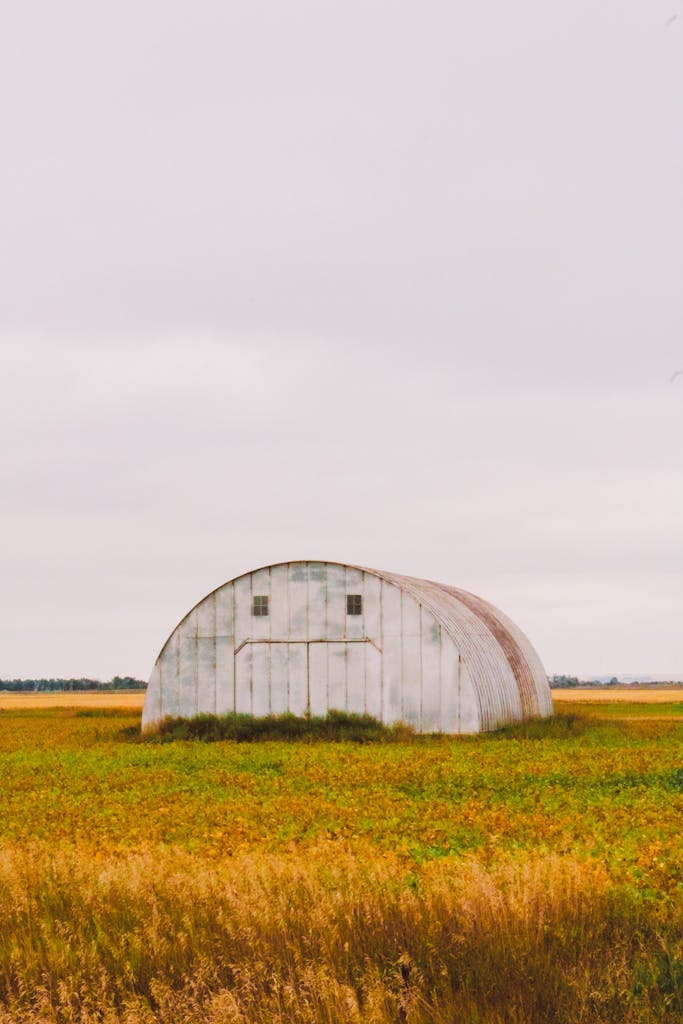
A. Assessing Truss Alignment & “Memory”
A hoop building derives its strength from its perfect geometric curve. When that curve is compromised, the load-path changes, and the building loses its rated snow capacity.
- Checking for “Racking”: Stand at one end of the building and sight down the “peak” line. Every arch should hide the one behind it perfectly. If the arches appear to be leaning (racking) to the left or right, the building has shifted. This often indicates the X-bracing was loose or the foundation settled unevenly.
- Detecting “Yield Strength” Failure: Inspect the apex (the top) of each arch. if the hoop looks “flat” rather than perfectly round, it has survived a snow load that surpassed the steel’s yield point. Once steel reaches this point, it has “memory”—it will never return to its original shape and will be a weak point in future winters.
- Kinks and Dents: Any sharp crease in a round pipe acts as a mechanical hinge. Even a minor dent from a tractor bucket on a main rib can reduce that truss’s weight capacity by 50% or more.
B. Corrosion vs. Oxidation: The Zinc-Sacrifice Factor
Modern hoop buildings use Hot-Dipped Galvanization (HDG) or similar coatings where a layer of zinc “sacrifices” itself to protect the underlying steel.
- Surface Oxidation: A white, chalky residue (White Rust) is actually a good sign; it shows the zinc is working. This is manageable and does not affect the PSI rating.
- Deep Pitting and “Flaking”: When you see red or dark brown flakes, the zinc layer is gone. Pay critical attention to the Base Plates and Leg Sections. In livestock operations, ammonia from manure is highly corrosive. If the bottom 2 feet of the arches show “pitting”—where the metal looks porous like a sponge—the structural wall thickness is compromised.
- The Hammer Test: Lightly tap the base plates with a ball-peen hammer. Healthy galvanized steel produces a clear “ping.” A pipe rotting from the inside out will produce a dull, hollow “thud.”
2. Fabric Condition: The UV Lifespan Audit
The fabric cover is the most expensive recurring cost. Identifying its remaining lifespan is critical to determining the true “Total Installed Cost” of a used building.
A. The “Starburst” and UV Degradation Test
- Visual Audit: Stand inside the building on a bright day. Look for tiny pinpricks of light scattered across the roof. These “starbursts” indicate the polyethylene weave is breaking down and the UV inhibitors have failed.
- Tactile Audit: Feel the fabric near the tensioning ratchets. It should be supple and heavy. If it feels brittle, “crunchy,” or flakes off under your fingernail, the cover is nearing a catastrophic tear.
B. Seams and Tension Points
- Seam Separation: Inspect the heat-welded seams. If you see “fringing” or the layers beginning to peel apart, the structural integrity of the skin is gone.
- Pocket Wear: Check the “pockets” where the tensioning pipes sit. Because these areas face the most friction during wind events, they are often the first to wear through. If these pockets are frayed, the cover may be impossible to re-tension on a new site.
3. Hardware & Anchors: The “Missing Parts” Tax
Many buyers underestimate the cost of replacing specialized hardware. In a used transaction, missing hardware can easily add $2,000 to $5,000 to your reassembly costs.
A. Critical Component Inventory
Ensure the following are bagged, labeled, and included:
- Base Plates & Brackets: These are the most expensive steel components after the arches. If the seller didn’t remove them from the concrete, you will have to custom-fabricate new ones.
- Tension Systems: This includes the winches, ratchets, and specialized “pipe-and-pocket” hardware. These parts are often proprietary; using generic ratchets can lead to uneven tension and fabric failure.
- X-Bracing Cables: Check the steel cables that run diagonally between the hoops. If they are snapped or heavily rusted, they must be replaced to ensure longitudinal stability.
4. Manufacturer Compatibility: The “Identity” Factor
The most dangerous purchase is an “anonymous” hoop building. If you don’t know the original manufacturer, you are flying blind.
A. Why Brand Matters for the Long-Term
- Engineered Drawings: You may need original blueprints to secure a building permit in your county. Most manufacturers will only provide these to the original owner or for a high fee.
- Custom Replacement Covers: A 42-foot hoop from Brand A might have a slightly different “radius” than Brand B. Ordering a “standard” 42-foot replacement cover for an unknown frame often results in a poor fit, causing wind-slap that destroys the new cover in months.
- The Data Plate: Always look for a stamped metal plate on the base of the arches. This identifies the brand and the original Snow and Wind Load Ratings.
Professional Inspection Checklist: The “Core Four”
To ensure long-term structural integrity, perform a rigorous audit of the following four components before finalizing any purchase from an auction or private seller.
I. Galvanized Steel Integrity
Corrosion vs. Oxidation: While light surface oxidation (a white powdery residue) is normal for galvanized steel, deep pitting or “flaking” at the base plates indicates structural fatigue. Pay close attention to the weld points and bolt holes; if these areas are thinned by rust, the building’s load-bearing capacity is compromised.
Truss Alignment: Sight down the length of the arches. If the hoops show signs of “racking” or permanent bends, the building may have survived a catastrophic snow-load event. A warped frame will prevent proper fabric tensioning, leading to premature cover failure.
II. Fabric Condition and UV Lifespan
The Starburst Test: Stand inside the building on a bright day. Tiny pinpricks of light (starbursting) scattered across the roof indicate that the polyethylene weave is breaking down.
Material Composition: Identify if the cover is Polyethylene (PE) or Polyvinyl Chloride (PVC). While PE is the industry standard for agriculture, PVC is heavier and often lasts 10–15 years longer. If the fabric feels brittle or “crunchy,” the UV inhibitors have reached their limit.
III. Tensioning Systems and Hardware
A tension fabric building relies entirely on its ability to stay drum-tight. Ensure the seller is including all winches, ratchets, and specialized “pipe-and-pocket” hardware. Replacing proprietary tensioning parts can be expensive and logistically difficult if the original manufacturer is no longer in business.
IV. Engineering and Environmental Load Ratings
Never move a building from a southern climate to a northern snow belt without checking the snow load rating. Look for a manufacturer’s data plate specifying the PSF (Pounds per Square Foot) and wind speed ratings. Moving a building to a region it wasn’t engineered for is the #1 cause of used hoop barn collapses.
Where to Find Used Hoop Buildings: 2026 Buying Guide
Finding a quality used hoop building is about knowing where to look and how to negotiate. In the U.S. market, listings generally fall into two categories: Direct Sales and Professional Auctions.
Top Platforms for Listings
- Digital Marketplaces: Facebook Marketplace and Craigslist are best for finding smaller, “farm-scale” structures (30’–40′ widths) from local sellers.
- Agricultural Auctions: Sites like BigIron Auctions and AuctionTime often feature industrial-grade, double-truss buildings.
- Specialized Liquidators: Companies like ClearSpan or Britespan occasionally list “certified pre-owned” or mis-measured inventory that may include original engineering stamps.
Comparison: Private Sale vs. Auction
Understanding the trade-offs between these two sources is critical for your budget.
| Feature | Private Sale (Marketplace) | Professional Auction |
| Price | Negotiable. Use repair costs as leverage. | Final. Plus a 10–15% Buyer’s Premium. |
| Inspection | Hands-on. You can perform a “UV Audit” in person. | Limited. Usually restricted to photos/videos. |
| Teardown | Flexible. You control the labeling and care. | Aggressive. Strict 7–14 day removal deadlines. |
Expert Buying Tip: The “Teardown” Leverage
In a Private Sale, your biggest negotiation tool isn’t just cash—it’s labor. Many sellers are intimidated by the technical work required to dismantle a 100-foot building safely.
If you show up with a telehandler, a labeled organization kit, and a crew, you can often negotiate a 20–30% discount simply by removing the “headache” of disassembly from the seller’s plate. Conversely, at an Auction, always calculate your “all-in” price (Bid + Premium + Freight) before the clock runs out to ensure the “deal” is actually cheaper than a new build.
The True Cost: Relocation and Setup Expenses
Many buyers focus on the “sticker price” at an auction, but the Total Installed Cost of a used hoop building includes several logistical hurdles that can quickly narrow the price gap between used and new.
- Disassembly & Labor: Professional teardown is a precision job that can range from $2,000 to $10,000. If you are managing the labor yourself, ensure you factor in the rental of a telehandler or scissor lift, as manual disassembly of high arches is both dangerous and time-consuming.
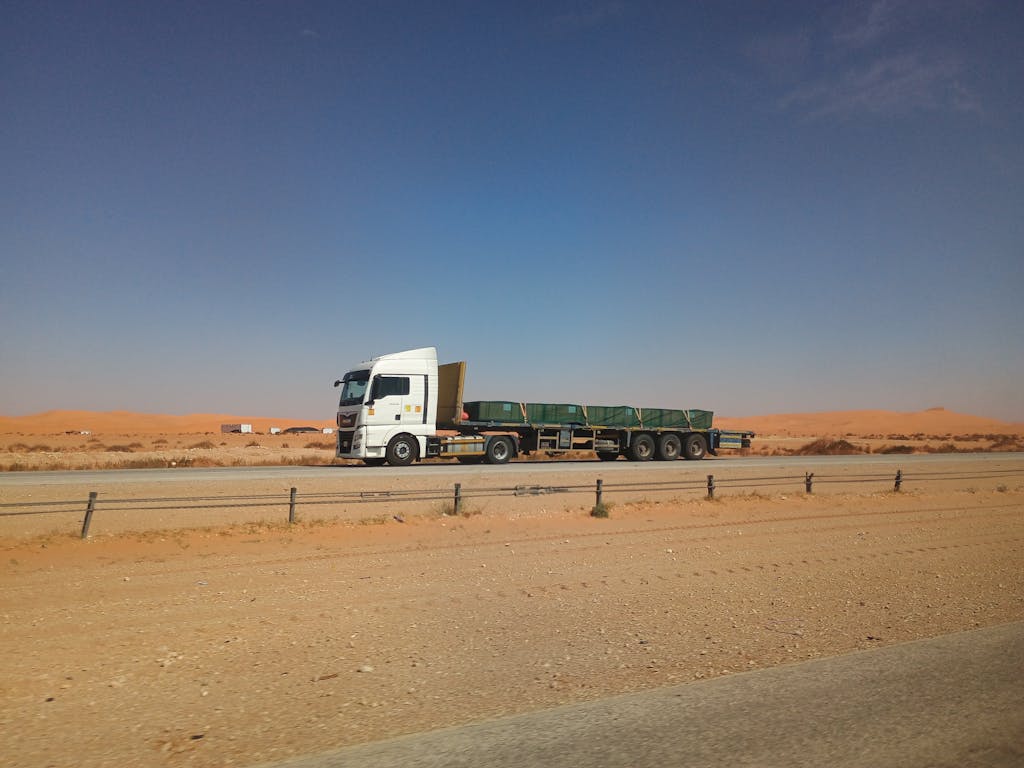
- Logistics & Transportation: Moving heavy steel trusses usually requires a flatbed trailer. In 2026, expect to budget $3–$5 per loaded mile. Additionally, if the arches are over 8.5 feet wide when loaded, you may face “wide-load” permit fees and the requirement for a crane at both the pick-up and drop-off sites.
- Site Preparation & Anchoring: Your new site needs more than just a level spot. Budget for a compacted gravel pad to prevent settling and a permanent anchoring solution—whether that is poured concrete piers, bin walls, or helical screws. These foundation costs often equal or exceed the price of the building itself.
- Permits & Engineering: County regulations vary wildly. While some agricultural zones are exempt, others require original engineered drawings to prove snow and wind load ratings. Sourcing these for a used building from a previous owner can be a significant (and sometimes impossible) administrative hurdle.
Final Calculation Tip: Before signing a bill of sale, add your purchase price to your estimated relocation costs. If the total is within 15–20% of a brand-new, warrantied hoop barn quote, the new structure is usually the safer financial bet. To see what a modern setup costs from the factory, check out our Guide to Buying New Hoop Barns in the US]
How Long Do Used Hoop Buildings Last?
While the fabric is a wear-item, a high-quality galvanized steel frame is a long-term asset that often lasts 30 to 50 years or more. These structures are engineered to withstand significant environmental stress, provided the zinc coating remains intact to prevent deep-seated corrosion. When buying used, you are essentially investing in the “skeleton” of the building, which can be re-covered multiple times throughout its operational life. As long as the trusses aren’t kinked or structurally pitted, the steel provides a reliable, long-term return on your investment.
Fabric lifespan depends on:
- UV Exposure: Ultraviolet rays are the primary cause of molecular breakdown in polyethylene covers; over time, sun exposure makes the fabric brittle and prone to sudden, catastrophic tearing during storms.
- Climate Conditions: Buildings in high-wind corridors suffer from “wind-slap,” where constant vibration thins the material against the steel ribs, whereas heavy snow-load regions test the integrity of the heat-welded seams.
- Original Material Quality: The difference between an economy-grade 12oz polyethylene and a heavy-duty 24oz PVC cover can mean an extra decade of life, as higher-quality materials feature superior UV inhibitors and rip-stop weaves.
- Maintenance History: A cover is only as strong as its tension; if a previous owner allowed the fabric to become loose, the resulting friction and uneven stretching likely shortened its remaining lifespan significantly.
If replacing fabric immediately, your structure may function like new at a significantly reduced total cost.
The “Deal-Breaker” List: When to Walk Away
There are certain red flags that no amount of discounting can fix. Avoid any used hoop building that shows:
- Defunct Manufacturers: If the brand is no longer in business, you will never be able to find replacement parts or engineered drawings. This makes permitting and repairing nearly impossible.
- Kinked Arches: A dent or “kink” in a round pipe acts as a hinge point. Under a heavy load, that arch will buckle.
- Evidence of Fire: Even a small localized fire near the building can destroy the tempering of the galvanized steel, making it brittle and prone to snapping.
- Missing “X-Bracing”: If a building has been standing for years without its diagonal cable bracing, the bolt holes in the arches have likely been “ovaled” out from the building swaying, meaning it will never be tight or stable again.
Tips to Negotiate the Best Deal
- Ask how long the building has been standing
- Request original purchase documentation
- Confirm fabric installation date
- Price out replacement cover before finalizing
- Use freight cost as leverage in negotiation
Sellers often reduce price when removal deadlines are tight.
Frequently Asked Questions About Used Hoop Buildings for Sale
Are used hoop buildings worth it?
Yes, when the frame is structurally sound and fabric is in usable condition.
How much does it cost to move a used hoop building?
Expect $5,000–$20,000 depending on size and distance.
Can you replace fabric on any hoop building?
Expect $5,000–$20,000 depending on size and distance.
Do used hoop barns require permits?
Permit requirements vary by county and state.
Is it easy to find replacement parts for older hoop barns?
Standard hardware like bolts and ratchets are easy to source. However, custom-curved trusses or specific base plates from defunct brands like “Cover-All” can be nearly impossible to find.
Final Thoughts: Should You Buy Used Hoop Buildings for Sale?
Used hoop buildings for sale present a valuable opportunity for U.S. farmers and ranchers seeking affordable agricultural infrastructure. When properly inspected and budgeted—including freight, site prep, and potential fabric replacement—these structures can deliver significant savings compared to new construction.
However, the key to a smart purchase lies in understanding total installed cost—not just the purchase price. Evaluate condition, confirm compatibility, estimate relocation expenses, and compare against new build quotes before committing.
For many operations—especially cattle housing, hay storage, or equipment protection—buying used is a financially sound strategy when approached with due diligence.