9 Dog-Safe Plants That Keep Flies Away
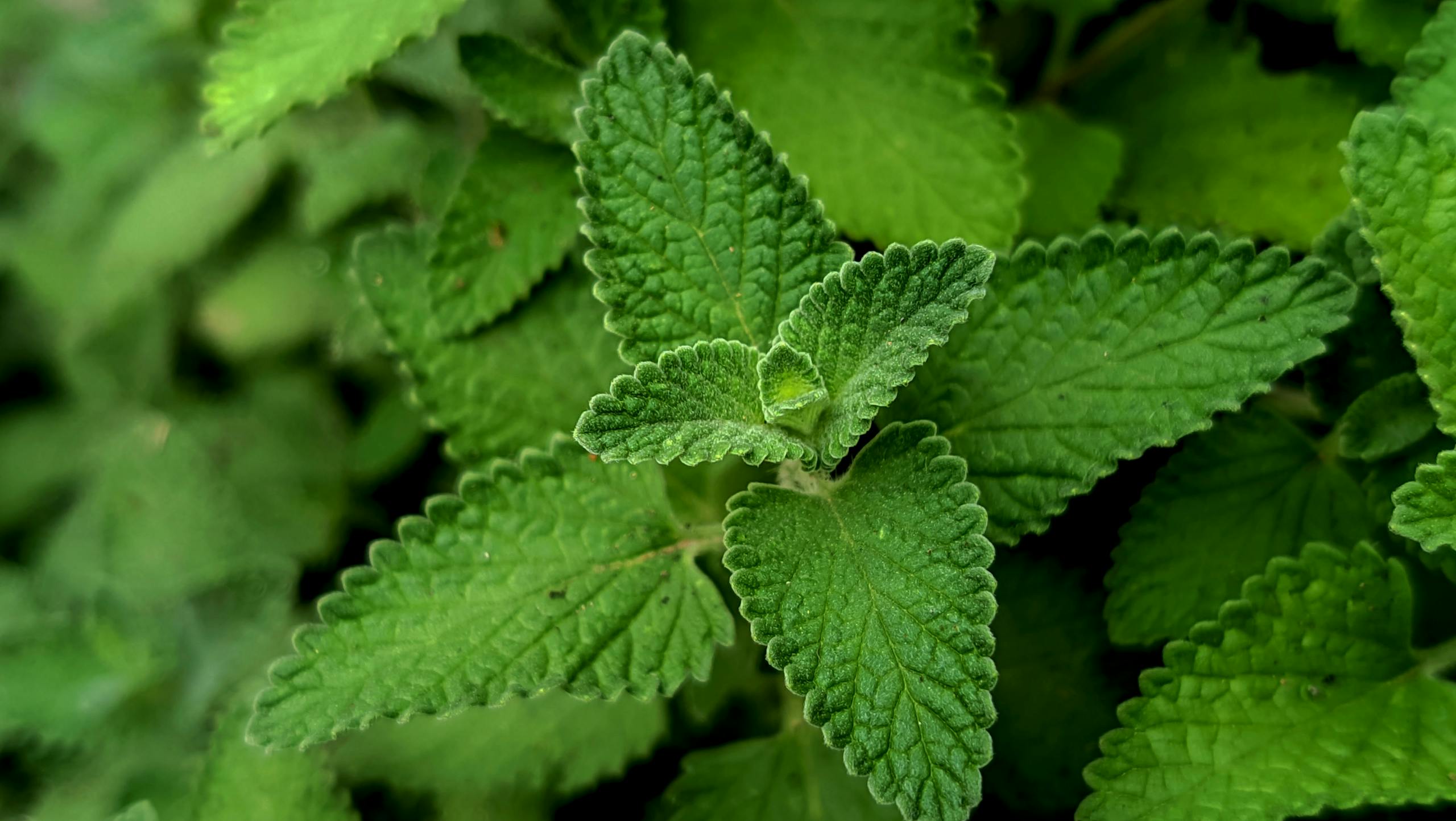
To naturally repel flies while keeping dogs completely safe, the best dog-friendly plants are Basil, Rosemary, Lavender, Catnip, Lemon Balm, Peppermint, Thyme, Sage, and Sweet Bay. These herbs release high concentrations of natural essential oils—such as linalool, eucalyptol, and nepetalactone—that overwhelm a fly’s olfactory system without posing toxicity risks to dogs.
For maximum fly control around outdoor dog runs and patios, group these potted herbs near entryways and seating areas.
Table of Contents
Quick Comparison: Dog-Safe Fly Repellent Plants
| Plant Name | Primary Fly Types Repelled | ASPCA Safety Status | Ideal Garden Placement |
| Basil | Houseflies, Fruit Flies | 100% Non-Toxic | Patio pots, kitchen doors, window boxes |
| Rosemary | Biting Stable Flies, Mosquitoes | 100% Non-Toxic | Dog run borders, walkway edges |
| Lavender | Houseflies, Fleas, Moths | Safe in Garden (mild GI upset if gorged) | Sunny patio edges, dog house perimeter |
| Catnip | Houseflies, Stable Flies, Mosquitoes | Safe for Dogs (cats love it) | Perimeter garden beds |
| Lemon Balm | Houseflies, Gnats | 100% Non-Toxic | Potted near outdoor dining / dog rests |
| Peppermint | Houseflies, Horseflies, Ants | Safe in Containers (toxic in massive volume) | Heavy pots near doorways |
| Thyme | Houseflies, Blackflies | 100% Non-Toxic | Stepping stone paths, ground cover |
| Sage | Houseflies, Outdoor Pest Flies | 100% Non-Toxic | Raised beds, sunny garden borders |
| Sweet Bay | Flies, Weevils, Beetles | Safe for Landscaping | Large patio containers |
How Fly-Repelling Plants Work (And Why Dog Safety Matters)
Flies do not rely on vision alone to find food or host animals; they navigate using highly sensitive olfactory receptors that track odors like food waste, manure, and animal scents.
Insect-repelling plants produce volatile organic compounds (VOCs)—such as linalool, camphor, eucalyptol, and menthol. When released into the air, these aromatic oils mask the scents that attract flies, creating a natural perimeter barrier.
However, for dog owners, repelling flies is only half the battle. Dogs naturally explore the world with their noses and mouths. Planting toxic flora can lead to emergency vet visits for skin irritation, vomiting, or central nervous system depression.
Every plant in this guide is cross-referenced for canine safety so you can protect your yard without risking your dog’s health.
The 9 Best Plants That Repel Flies and Are Safe for Dogs
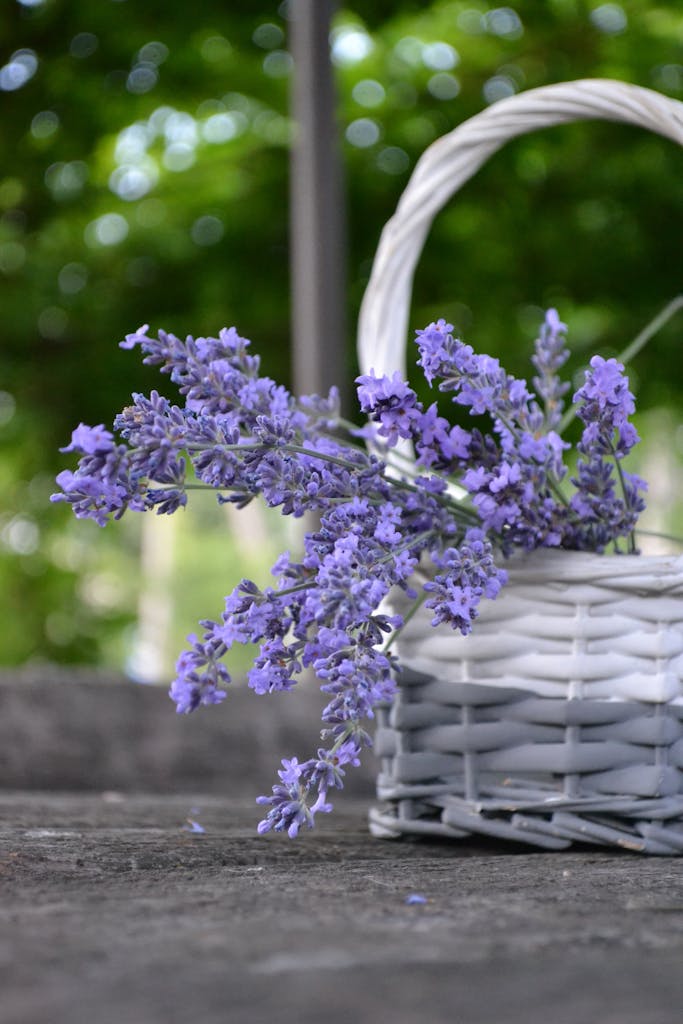
1. Lavender (Lavandula angustifolia) — Best for Patios & Dog House Edges
Lavender is renowned for its soothing fragrance to humans, but to flying pests, it is intensely repulsive. The plant’s silvery-green foliage and purple blooms contain high concentrations of aromatic terpenes.
- Fly Protection: Repels houseflies, greenbottle flies, and fleas.
- Dog Safety Rating: Safe in normal garden settings. (While concentrated lavender oil can be toxic, the living plant is safe for dogs in the yard).
- Pro Tip: Plant lavender in full sun next to outdoor shelters. (If you use a outdoor shelter, review our guide on how to keep a dog house cool in summer to pair lavender placement with optimal airflow).
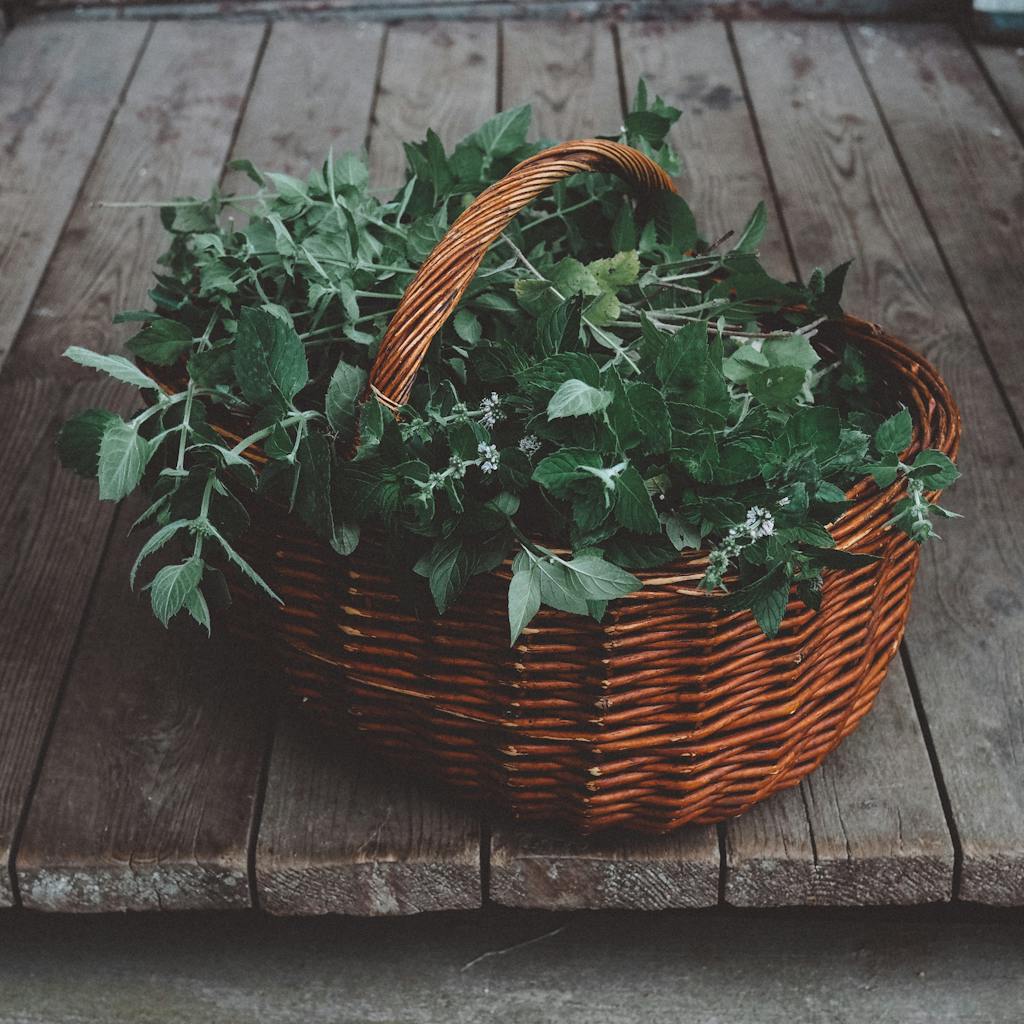
2. Basil (Ocimum basilicum) — Best Overall Housefly Repellent
Basil is widely considered the gold standard for natural, herb-based fly control. Unlike plants that only repel insects when crushed, living basil constantly diffuses strong volatile aromatic oils directly into the surrounding micro-air currents.
- Why It Works Against Flies: Flies possess acute chemoreceptors on their antennae. The high concentration of linalool and estragole in basil overpowers these receptors, masking the scent of food, waste, and dog odors.
- Dog Safety & Behavior: Basil is completely non-toxic to canines according to the ASPCA. If an overly curious dog or puppy chews on a few leaves, it will not cause toxicosis or digestive upset. Most dogs naturally ignore it due to its pungent herb scent.
- Growing & Placement Logistics: Basil thrives in warm weather and grows exceptionally well in containers. Place 10- to 12-inch pots directly on outdoor patio tables, porch railings, or window sills right next to back doors to stop flies before they enter your home.
- Pro Tip: Choose Lemon Basil (Ocimum × citriodorum) or Cinnamon Basil for significantly higher essential oil concentration. Pinch off flower buds as soon as they appear to force the plant to divert its energy into producing oil-rich leaves.
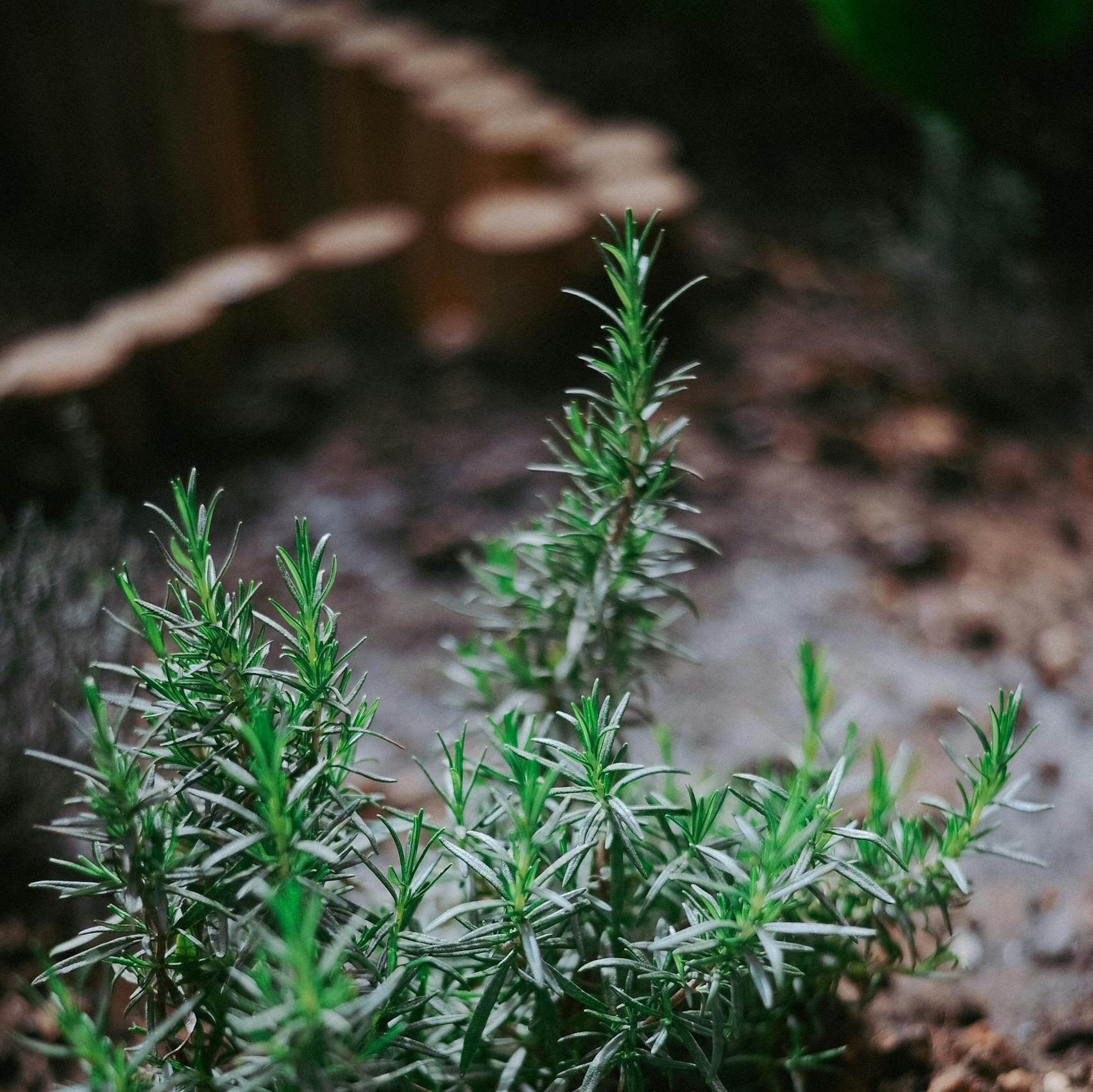
3.Rosemary (Salvia rosmarinus) — Best for Biting Flies & Fleas
Rosemary is a hardy, woody perennial evergreen shrub that provides year-round structure and fly deterrence in warm-to-moderate climates. Its needle-like leaves store dense pockets of essential oils that release when brushed.
- Why It Works Against Flies: The intense pine-like scent driven by camphor and eucalyptol acts as a powerful natural repellent against biting stable flies (Stomoxys calcitrans), which are infamous for attacking dogs’ ears and back legs outdoors.
- Dog Safety & Behavior: Rosemary is non-toxic to dogs. Its rigid, woody stems make it exceptionally resilient to high-energy dogs running past or brushing against it.
- Growing & Placement Logistics: Rosemary prefers gritty, well-draining soil and can handle drought once established. Plant it along fence lines, outdoor dog run borders, or walkway edges where pets frequently move.
- Pro Tip: Plant rosemary directly along your dog’s favorite yard running paths. As your dog runs past and brushes against the branches, it acts as a natural mechanical friction trigger, releasing a fresh burst of fly-repelling oils into the air.
4.Lemon Balm (Melissa officinalis) — Fast-Growing Citrus Barrier
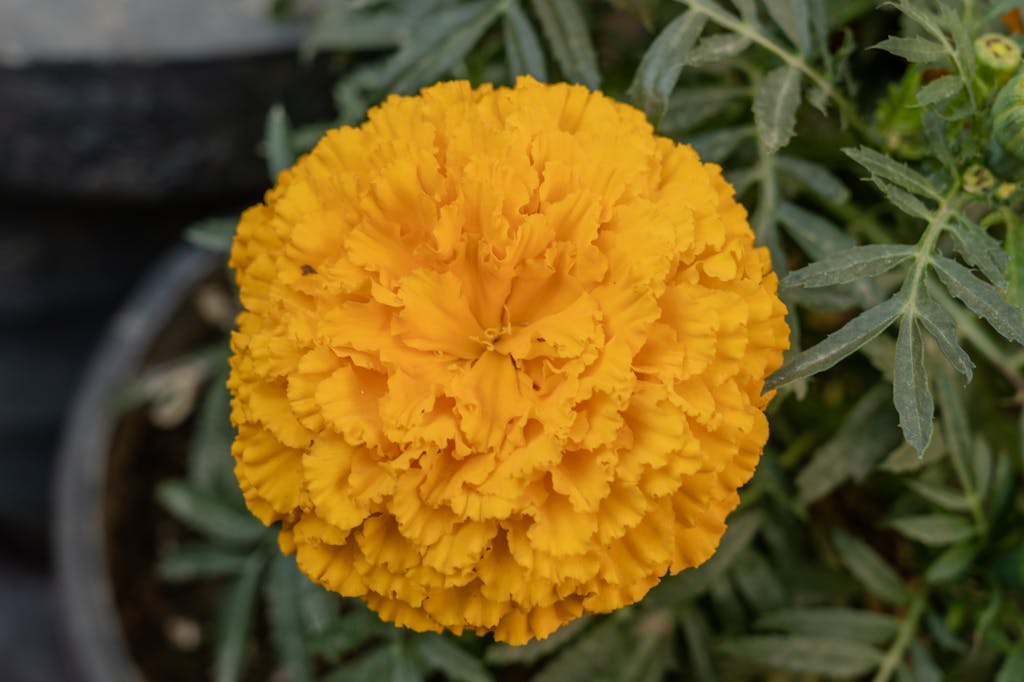
A member of the mint family, lemon balm releases a sharp, fresh citrus fragrance containing citronellal and geranial, which masks host odors from flies.
- Why It Works Against Flies: Packed with natural citronellal and geranial, lemon balm masks the carbon dioxide and skin odors that draw flies to resting animals and humans.
- Dog Safety & Behavior: Lemon balm is listed as 100% non-toxic by the ASPCA. It serves as a safe alternative to Citronella Grass (Pelargonium citrosum), which contains toxic compounds that cause canine dermatitis and stomach upset.
- Growing & Placement Logistics: Lemon balm grows vigorously and tolerates partial afternoon shade better than most Mediterranean herbs. Plant it in container boxes near entryways, outdoor dining areas, or dog resting zones.
- Pro Tip: Lightly brush your hand across the top leaves of your lemon balm plant right before sitting outside with your dog. This instantly releases a burst of fresh citrus oils into the air.
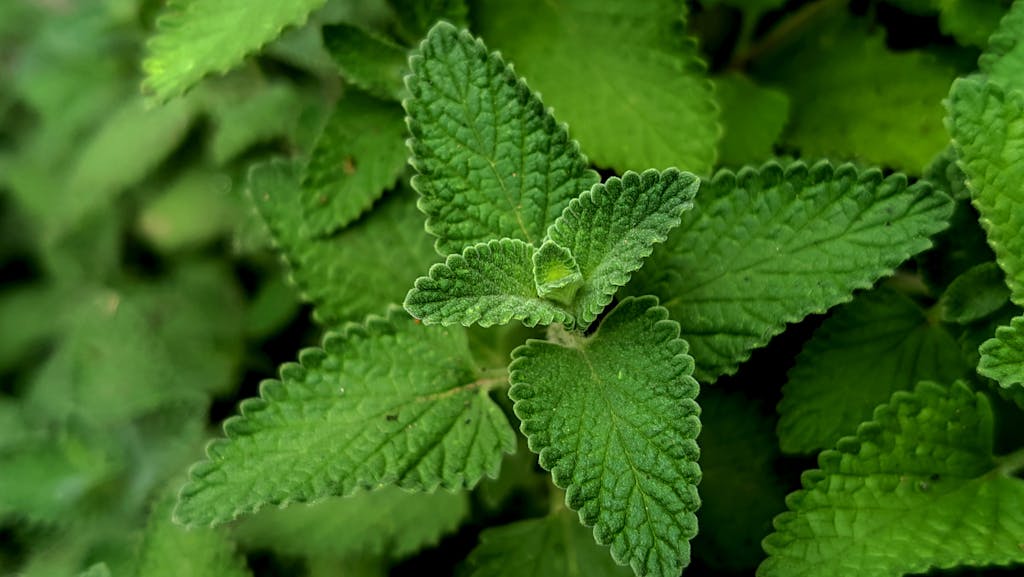
5.Lemon Balm (Melissa officinalis) — Fast-Growing Citrus Barrier
Lemon balm produces lush, light-green leaves that emit a crisp, punchy lemon aroma whenever touched or warmed by the sun. It offers all the pest-repelling benefits of citrus without any of the dog toxicity risks associated with traditional citronella plants.
- Why It Works Against Flies: Packed with natural citronellal and geranial, lemon balm masks the carbon dioxide and skin odors that draw flies to resting animals and humans.
- Dog Safety & Behavior: Lemon balm is listed as 100% non-toxic by the ASPCA. It serves as a safe alternative to Citronella Grass (Pelargonium citrosum), which contains toxic compounds that cause canine dermatitis and stomach upset.
- Growing & Placement Logistics: Lemon balm grows vigorously and tolerates partial afternoon shade better than most Mediterranean herbs. Plant it in container boxes near entryways, outdoor dining areas, or dog resting zones.
- Pro Tip: Lightly brush your hand across the top leaves of your lemon balm plant right before sitting outside with your dog. This instantly releases a burst of fresh citrus oils into the air.
6. Sage (Salvia officinalis) — Great for Outdoor BBQ & Dining Areas
Sage features velvety, silvery-green leaves packed with rich essential oils. It is a hardy perennial shrub that provides long-term insect protection while looking great in modern landscaping setups
Why It Works Against Flies: The combination of thujone and camphor gives sage a pungent, earthy scent that masks animal scents and keeps flies from lingering around outdoor dining areas.
Dog Safety & Behavior: 100% non-toxic to dogs according to the ASPCA. The thick, textured leaves are unpalatable to most pets, keeping the plant safe from nibbling.
Growing & Placement Logistics: Sage prefers full sun and drier conditions. Plant it in raised garden beds or large pots surrounding outdoor seating and barbecue areas.
Pro Tip: If you have an outdoor fire pit or charcoal grill, toss a bundle of dried sage sprigs onto warm embers. The resulting aromatic smoke creates an instant, dog-safe fly barrier across your entire backyard during evening gatherings.
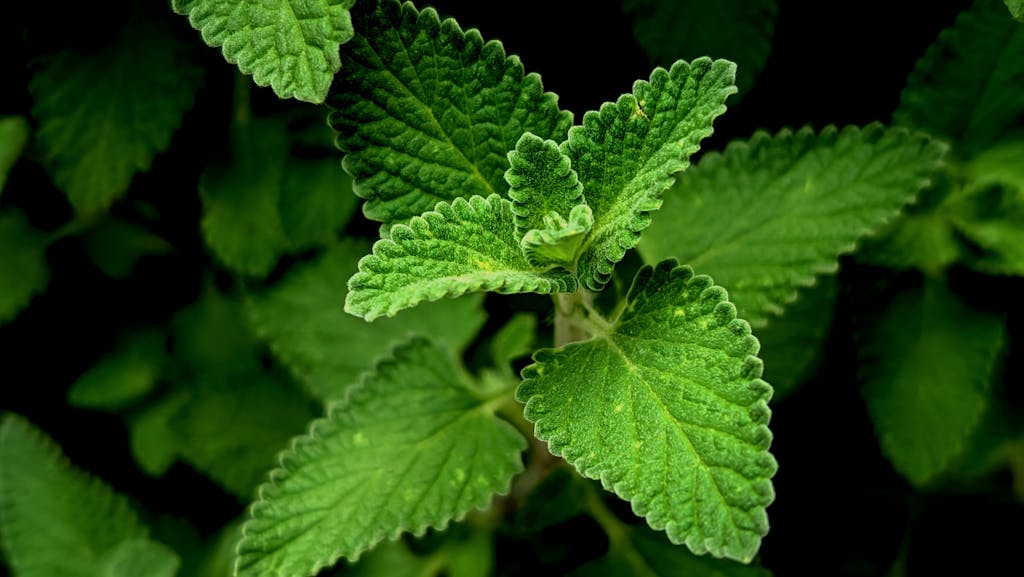
7. Peppermint (Mentha × piperita) — Powerful Fly & Pest Shield
Peppermint is one of the most potent aromatic herbs available for home gardens. Its high concentration of menthol creates a sharp scent threshold that flies, horseflies, and ants refuse to cross.
- Why It Works Against Flies: The high volatile menthol content irritates the delicate nasal and sensory passages of flying insects, forcing them to alter their flight paths away from the plant.
- Dog Safety & Behavior: Peppermint is safe for dogs in normal garden settings. The overwhelming smell naturally deters dogs from eating it in large quantities.
- Growing & Placement Logistics: Mint is infamous for taking over entire gardens if planted directly in the ground. Keep peppermint strictly confined to heavy planters elevated off the soil.
- Pro Tip: Place potted peppermint next to outdoor trash cans, recycling bins, or dog waste stations. It simultaneously repels filthy blowflies and neutralizes foul odors.
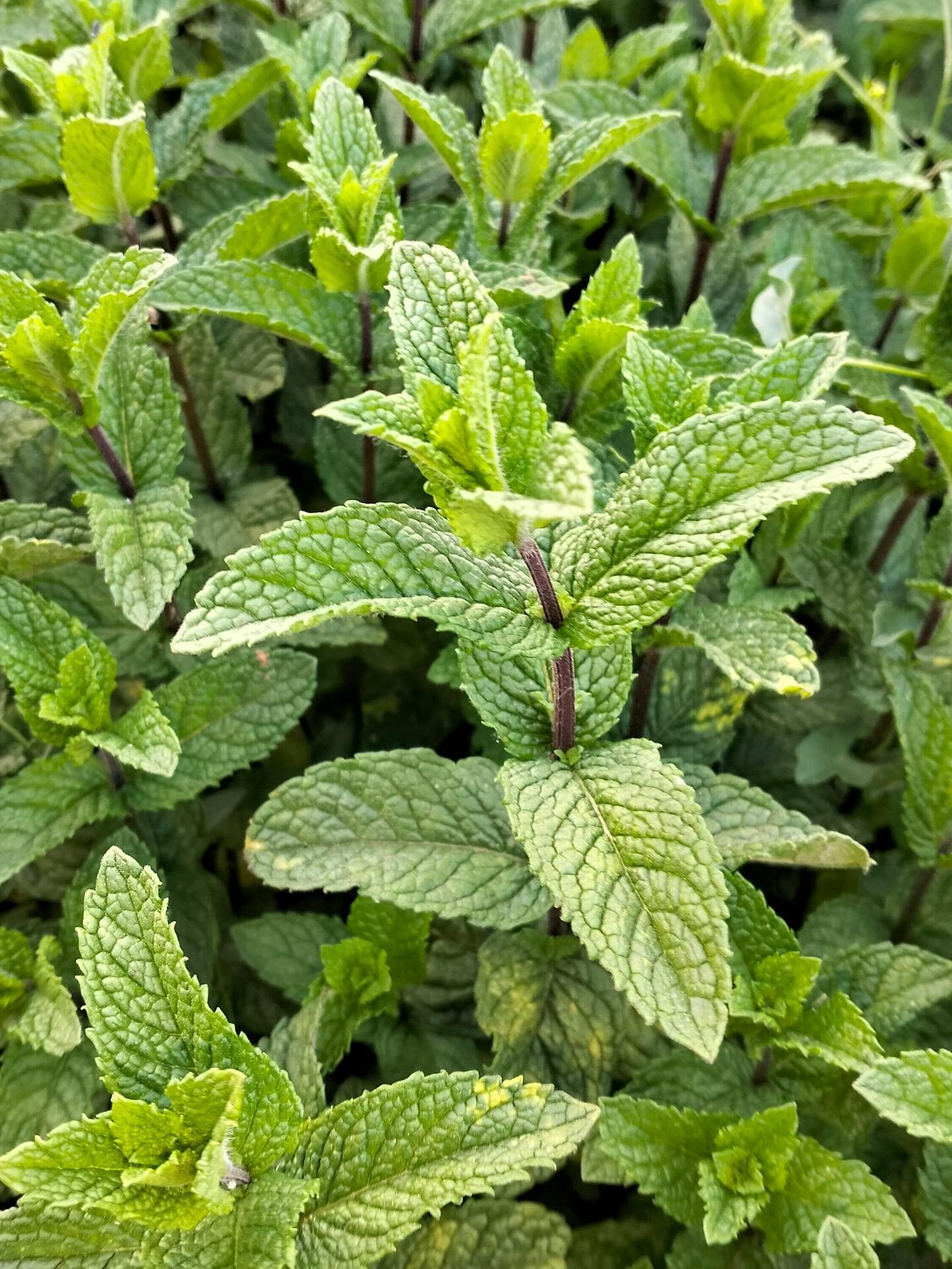
8. Catnip (Nepeta cataria) — 10x More Effective Than Chemical Sprays
While famous for driving cats wild, catnip is an underrated superstar in the battle against outdoor flying insects. Scientific trials conducted by Iowa State University showed that the primary compound in catnip is up to 10 times more effective at repelling insects than DEET.
- Why It Works Against Flies: The active ingredient nepetalactone acts as a spatial repellent. It triggers chemical receptors in flies that stimulate a flight-or-fight avoidance response, driving them away from the immediate area.
- Dog Safety & Behavior: Catnip is non-toxic to dogs. While felines will roll in it, dogs generally ignore the plant completely.
- Growing & Placement Logistics: Catnip is an extremely tough perennial (USDA Zones 3–9) that thrives in nearly any soil type. However, because it belongs to the mint family, it spreads rapidly via underground runners.
- Pro Tip: Always grow catnip in heavy ceramic or concrete pots positioned on hard surfaces (like pavers or patio slabs) to prevent its roots from escaping into your main lawn or flower beds.
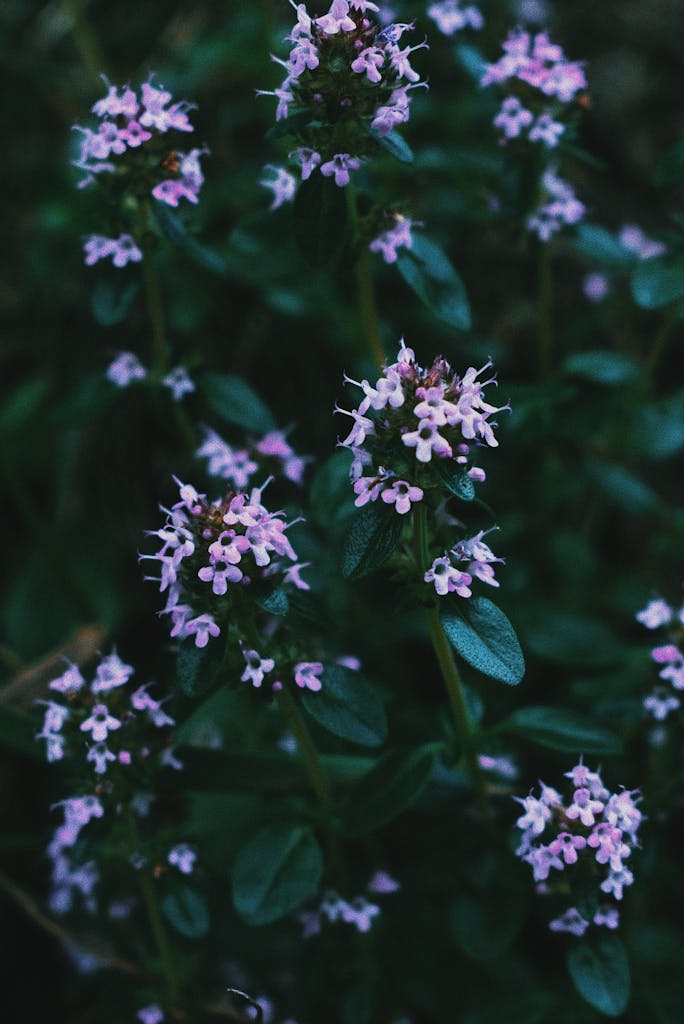
9 .Thyme (Thymus vulgaris) — Best Ground-Cover Fly Barrier
Thyme is a low-growing, drought-tolerant herb rich in thymol, a powerful natural antiseptic and insect repellent.
- Why It Works Against Flies: Thymol is a potent natural biocide and insect repellent that disrupts a fly’s ability to locate host targets near ground level.
- Dog Safety & Behavior: Thyme is non-toxic to dogs and remarkably tough. Creeping varieties can easily withstand being stepped on by pets without dying.
- Growing & Placement Logistics: Thyme thrives in gravelly, low-nutrient soils and requires minimal water once established.
- Pro Tip: Plant creeping thyme (Thymus serpyllum) in the cracks between stone pavers along your patio or garden walkways. Every time you or your dog step on the stones, foot pressure crushes small leaves, releasing a continuous wave of fly-repelling thymol into the lower air layer.
Warning: Fly-Repelling Plants That Are TOXIC to Dogs
Many general gardening blogs recommend plants that repel flies without checking veterinary toxicity databases. Do not plant the following in areas accessible to your dogs:
| Plant Name | Veterinary Risk to Dogs |
|---|---|
| Citronella Plant | Causes severe GI distress, vomiting, ataxia. |
| Tansy | Highly toxic; causes liver failure and convulsions. |
| Pennyroyal | Extremely toxic; causes severe liver damage. |
| Tagetes Marigolds | Causes skin irritation, drooling, and stomach upset. |
| Garlic / Alliums | Causes red blood cell damage (hemolytic anemia). |
Veterinary Fact: True Citronella (Pelargonium citrosum) and Citronella Grass contain toxic essential oils that irritate a dog’s digestive tract and skin. Stick to Lemon Balm or Lemon Basil for a 100% dog-safe citrus alternative.
It’s also worth keeping general pet safety in mind when choosing and placing garden plants, since not all greenery is equally safe for animals. For a reliable reference on plant toxicity and pet safety, you can check the ASPCA’s official plant database.
Strategic Placement: How to Layout Your Garden for Maximum Fly Protection
Simply planting a single herb in the corner of your yard won’t keep flies away. To create an effective barrier, use this 3-zone placement strategy:
- Zone 1: Entryways & Back Doors (Potted Basil & Lemon Balm)Keep potted basil and lemon balm on porch steps and door sills. This stops houseflies from slipping indoors when doors open.
- Zone 2: Dog Runs & Outdoor Shelters (Rosemary & Lavender)Plant hardy rosemary and lavender bushes along the perimeter of your dog’s outdoor play area. As your dog brushes against these plants, they release natural oils into the immediate micro-environment.
- Zone 3: Perimeter Containers (Peppermint & Catnip)Place large containers of peppermint and catnip near fence lines, trash can enclosures, or compost areas to stop flies at the yard boundary.
FAQs
What are the best plants that repel flies and mosquitoes safe for dogs?
Some of the most effective dog-safe options include lavender, basil, rosemary, marigold, mint, lemon balm, citronella grass, thyme, and lemongrass. These plants release natural aromatic oils that help reduce mosquito and fly activity in outdoor spaces.
Are mosquito-repelling plants safe for dogs?
Most mosquito-repelling plants are generally considered safe for dogs when grown in a normal garden setting. However, if dogs eat large amounts of any plant, it may cause mild stomach upset, so placement and supervision still matter.
Does lavender really repel mosquitoes and flies?
Yes, lavender contains natural oils that mosquitoes and flies tend to avoid. While it won’t eliminate insects completely, it can significantly reduce their presence when planted near patios, walkways, or seating areas.
Can plants completely get rid of mosquitoes in a garden?
No, plants alone cannot completely remove mosquitoes. They help reduce activity by masking human scent and creating an environment that is less attractive to insects, but best results come when combined with proper garden maintenance.
Where should mosquito-repelling plants be placed in the garden?
They work best when placed near entry points, patios, seating areas, and walkways. Grouping aromatic plants together also increases their effectiveness compared to scattering them randomly.
Final thoughts
A natural mosquito- and fly-resistant garden isn’t built with chemicals or complicated systems—it’s built with intention. The real difference comes from how you combine plants and where you place them. When you layer proven aromatic plants like lavender, basil, rosemary, marigold, mint, lemon balm, citronella grass, thyme, and lemongrass, you’re not eliminating insects completely, but you are shifting the environment in your favor. The garden becomes less inviting to mosquitoes and flies, and more balanced for everyday outdoor living. Each plant plays a small role, but together they create a noticeable reduction in irritation, especially around patios, walkways, and seating areas where people actually spend time.
For dog owners, that’s where the real value shows up. Instead of relying on sprays or chemical-based repellents, you’re working with a safer, more sustainable approach that fits into everyday life. It won’t make your garden “bug-free,” and it doesn’t need to—but it does make it more livable, more comfortable, and far less frustrating during warmer months. That balance between effectiveness, safety, and simplicity is exactly why these plants continue to be a trusted choice for pet-friendly homes.