How Much Do Pygmy Goats Cost?
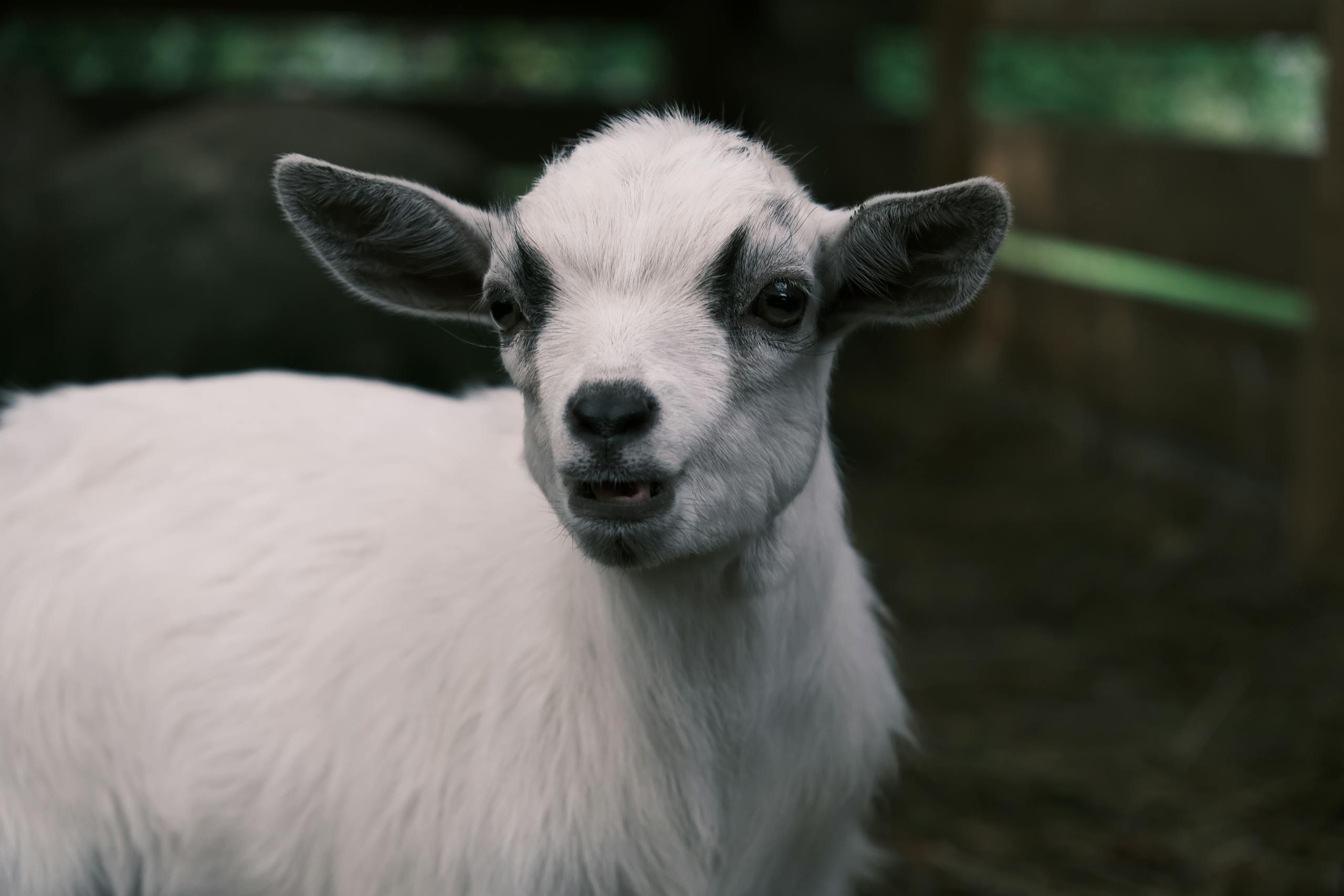
How Much Do Pygmy Goats Cost? The Ultimate Price & Budgeting Guide
So, you’re ready to bring home a couple of pocket-sized pasture clearers, but you’re trying to figure out what your wallet is about to go through. It’s a smart move. While pygmy goats are smaller than standard livestock, the financial commitment involves a bit more than just the initial price tag.
To help you plan responsibly, this guide breaks down the upfront purchase costs, regional price factors, and the essential gear required to set your new herd up for success.
1. Upfront Purchase Price: Breaking Down the Numbers
The cost of a pygmy goat is primarily determined by its gender, registration status, and lineage. On average, you should budget within the following ranges for a single animal:
The Price Breakdown Table
| Goat Category | Typical Price Range | Best Suited For |
| Unregistered Wethers (Castrated Males) | $150 – $300 | Companion pets, families, and organic brush clearing. |
| Registered Does (Females) | $400 – $800 | Hobby breeding, 4-H projects, and small-scale farms. |
| Show Quality / Proven Breeding Bucks | $800 – $1,500+ | Competitive exhibition, registered herds, and elite genetics. |
Why the Price Varies:
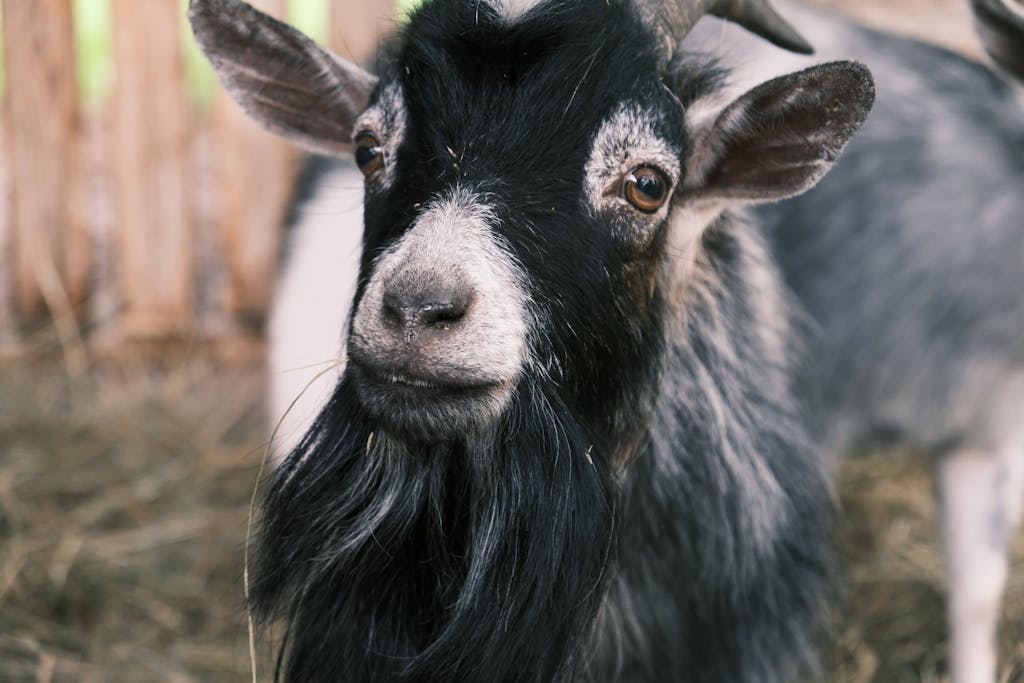
- Registration Matters: Animals registered with the National Pygmy Goat Association (NPGA) come with verified pedigrees guaranteeing purebred genetics, which naturally commands a premium. Unregistered or “grade” goats are fantastic, budget-friendly options if you just want friendly lawnmowers.
- The Gender Premium: Wethers are the most affordable option. They stay sweet-natured year-round and don’t produce the pungent musk of an intact buck. Does are more expensive because of their reproductive value, while high-quality breeding bucks sit at the top of the price scale.
Remember the “Pair” Rule: You can never buy just one pygmy goat. They are intensely social herd animals; a solitary goat will experience chronic stress, cry constantly, and try to escape. Always double the initial purchase price in your budget to account for a minimum of two animals.
2. Initial Setup Costs: Preparing the Homestead
Bringing the goats home is only half the financial equation. Before they pull up in the driveway, you need a secure environment to keep them safe from predators and the elements.
- Fencing ($500 – $2,500+ depending on pasture size): Pygmy goats are compact, low to the ground, and incredibly agile. Standard cattle fencing won’t cut it. You will need a minimum of 4-foot-high woven wire (such as 2″x4″ no-climb horse fencing) to keep them in and keep predators out.
- Shelter ($200 – $1,200): You don’t need a massive commercial barn, but you do need a dry, draft-free three-sided shed or a modified dog house. Goats absolutely despise the rain and need a solid place to escape cold winds.
- Feeders & Enrichment ($50 – $200): To prevent waste, you’ll need off-the-ground hay mangers and clean water buckets. Pygmies also love to climb, so adding budget-friendly enrichment like old tractor tires, large rocks, or wooden cable spools will keep them happy and active.
3. Recurring Monthly & Annual Expenses
Once your setup is complete, your ongoing maintenance costs are relatively predictable. For a pair of healthy pygmy goats, expect to spend roughly $40 to $80 per month total on basics:
- Hay and Feed ($30 – $50/month): While they excel at brush clearing, they still require high-quality grass hay (like orchard grass or timothy) as the foundation of their diet, especially during winter.
- Minerals and Supplements ($10/month): Goats require a loose, goat-specific mineral left out free-choice to prevent severe deficiencies.
- Hoof Trimming and Routine Care ($5 – $15/month): Goat hooves grow constantly and need trimming every 6 to 8 weeks. If you learn to do this yourself with a $20 pair of hoof shears, your ongoing cost is practically zero.
- Annual Health and Vaccinations ($20 – $40/year): Your herd will need annual core CD&T booster shots (protecting against tetanus and overeating disease).
4. How to Avoid Costly Mistakes and Scams
When looking at online listings, a price that seems significantly lower than the average market rate is an immediate red flag. The livestock market sees a high volume of digital scams.
Never send a non-refundable deposit through untraceable apps (like Zelle or Venmo “Friends and Family”) to a seller you haven’t thoroughly vetted. A reputable breeder will happily let you visit the farm or get on a live video call to show you the goats in real-time. Buying an unvetted, cheap goat from a sketchy source often results in massive veterinary bills down the road due to chronic, contagious conditions like CAE, CL, or Johne’s disease.
5. The Lifetime Math: How Much Does a Pygmy Goat Cost Over Its Entire Life?
When budgeting for livestock, looking only at the monthly cost is a common trap. Pygmy goats are a long-term commitment, boasting a healthy lifespan of 10 to 15 years.
If you look at the big picture for a standard pair of companion wethers over a conservative 12-year lifespan, the numbers outline the true scope of investment:
- Initial Setup & Purchase (Pair): $1,200 – $3,400 (Goats, fencing, shelter, feeders)
- Lifetime Feed & Minerals (Pair): $5,760 – $8,640 (Based on $40–$60/month average)
- Lifetime Routine Healthcare & Bedding (Pair): $2,160 – $4,320 (CD&T vaccines, hoof trims, straw)
- Estimated Lifetime Total for Two Pygmy Goats: $9,120 – $16,360
Seeing the lifetime cost mapped out highlights why robust infrastructure—like building a predator-proof fence right the first time—is essential to protecting your long-term investment.
6. Hidden & Emergency Costs: Expecting the Unexpected
Every experienced goat owner knows that the true test of a budget isn’t the price of a bale of hay; it’s the unexpected vet bill. Goats are notorious for hiding illnesses until they require urgent attention.
Some critical, hidden expenses should be accounted for in an emergency fund:
- The “Urgent Care” Vet Visit ($150 – $500+): While basic maintenance can be done at home, emergencies like a difficult birth (dystocia) or urinary calculi (a life-threatening urinary blockage common in wethers fed too much grain) require an immediate livestock vet visit.
- Biosecurity Testing ($40 – $100/year): If you plan to breed, you should budget for annual blood draws to test for contagious herd-killers like CAE, CL, and Johne’s disease.
- Pasture Remediation & Toxic Weed Removal ($50 – $300): Goats are browsers, but they aren’t immune to toxic plants. If your pasture contains wild cherry trees, azaleas, or rhododendrons, you will need to spend money up front to clear them out safely.
7. Cost-Saving Tips for Smart Homesteaders
You don’t have to break the bank to keep your herd happy and healthy. Reputable breeders and seasoned homesteaders utilize a few legal “hacks” to keep ongoing expenses to an absolute minimum:
- Buy Hay in Bulk Direct from Farmers: Never buy individual flakes of grass hay from major pet store chains—they vastly overcharge. Instead, build a relationship with a local livestock forage producer and buy 50-lb square bales in bulk during the late summer harvest.
- DIY Your Hoof Care: Paying a mobile livestock handler or vet to trim hooves every 6 to 8 weeks adds up fast. Investing $20 in a pair of high-quality green-handled hoof shears and watching a few instructional tutorials allows you to wipe this recurring cost off your ledger entirely.
- Repurpose Enrichment Items: Goats don’t need expensive commercial toys. Check local online marketplaces or farm auctions for free wooden cable spools, large plastic step-stools, old tractor tires, or large landscape rocks to build a custom goat playground for pennies.