Are Pygmy Goats Good Pets? The Honest Pros & Cons for Hobby Farms
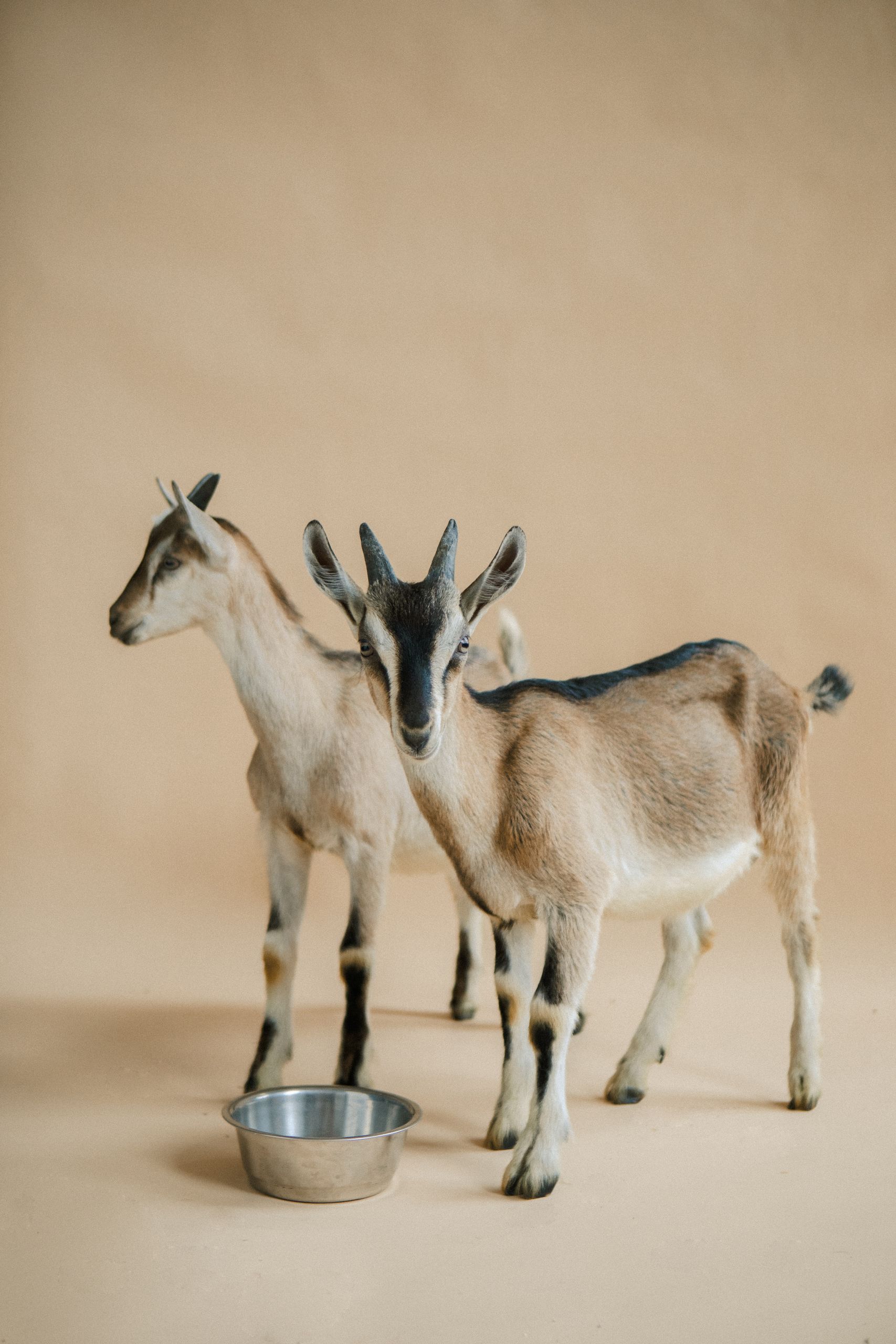
If you are browsing online classifieds or local livestock directories looking for your next backyard companion, you’ve likely asked yourself: are pygmy goats good pets? It’s a completely fair question. With their pint-sized frames, playful leaps, and naturally curious attitudes, they look like the absolute perfect addition to a family homestead or small acreage property.
The short answer is yes—pygmy goats make fantastic, deeply rewarding pets. However, they are still livestock, not dogs in little sweaters.
To help you decide if these miniature bundles of energy are a good match for your lifestyle, this guide digs into the honest pros, hidden cons, and daily realities of keeping pygmy goats as companion animals.
The Pros: Why Pygmy Goats Make Incredible Pets
There is a reason pygmy goats have taken the hobby farming world by storm. They offer a unique blend of utility, entertainment, and companionship that is hard to match with standard-sized farm animals.
1. Incredibly Docile and Family-Friendly
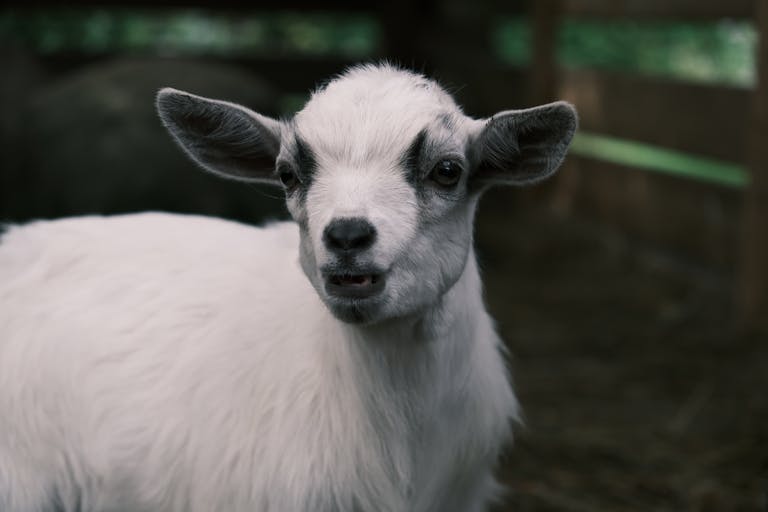
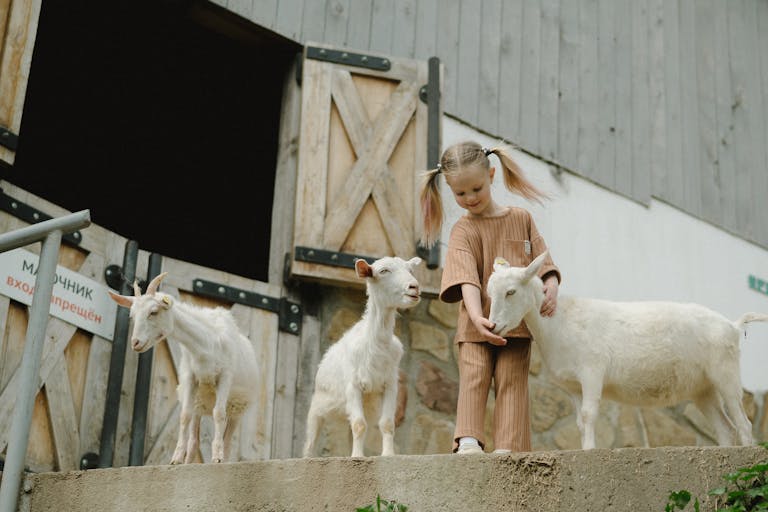
Pygmy goats are famous for their affectionate, sweet-natured personalities. Unlike some larger livestock breeds that can be intimidating or aggressive, purebred pygmies are naturally gregarious and gentle. If they are socialized early—especially if they were bottle-fed as kids—they will actively seek out human attention, follow you around the pasture like a shadow, and happily eat treats straight from your hand. This makes them ideal for families with young children or first-time livestock owners.
2. Compact Size for Smaller Acreage
Standard livestock breeds require massive pastures and heavy-duty handling facilities. Mature pygmy goats, on the other hand, only stand about 16 to 23 inches tall at the shoulder and weigh between 55 and 85 pounds. Their compact, “cobby” frame means you can successfully keep a small herd on a fraction of an acre. If you have a secure backyard or a small hobby farm, you have plenty of room for pygmies.
3. Natural, Eco-Friendly Brush Clearers
If you have a corner of your property overrun with dense weeds, briars, or invasive brush, a pair of pygmy goats will be your favorite new employees. Goats are specialized “browsers” rather than grazers. Instead of eating grass down to the roots like sheep or horses, they prefer to clear out woody undergrowth, brambles, and low-hanging tree leaves, providing you with free, organic landscaping.
The Cons: The Challenges First-Time Owners Face
While the pros are easy to see, owning pygmy goats isn’t always a walk in the park. To ensure your homesteading journey is successful, you need to look at the practical challenges honestly.
1. They Are Masters of Escape
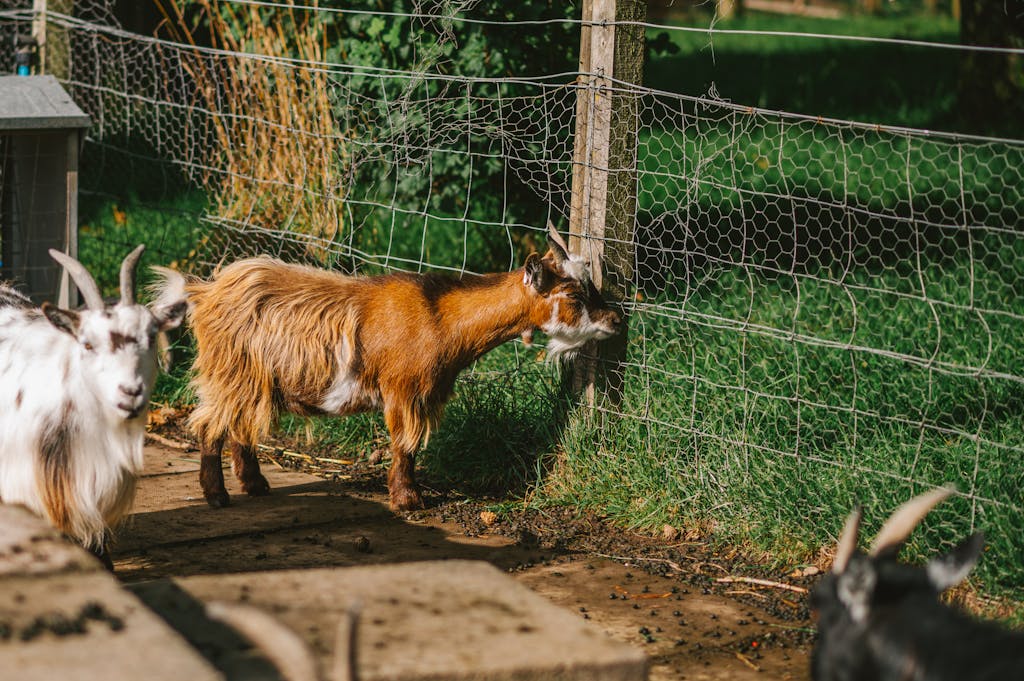
Do not underestimate a pygmy goat’s agility or problem-solving skills. If there is a weak spot in your fence, a loose latch on a gate, or a stray cinder block they can jump onto to clear the wire, they will find it. Standard field fencing won’t cut it for these little tanks; they require a minimum of 4-foot-high, no-climb woven wire fencing (2″x4″ openings) to keep them contained and to keep wandering predators out.
2. The Strict “Pair Only” Rule
You can never buy just one pygmy goat. Goats are intensely social herd animals with a hardwired psychological need for a companion of their own kind. A solitary goat lives in a state of chronic stress, which leads to a weakened immune system, endless crying, and constant, destructive attempts to escape the pasture. If you are budgeting for a pet pygmy goat, you must automatically double your numbers and your upfront purchase costs to bring home a minimum of two animals.
3. Intact Bucks Do Not Make Good Pets
If you are strictly looking for companion animals, avoid intact adult breeding bucks completely. During the breeding season (rut), bucks produce a incredibly pungent, musky odor, spray themselves with their own urine, and can become stubborn or aggressive.
For pet seekers, wethers (castrated males) are the gold standard. They are affordable, completely lack the strong buck musk, and maintain an even, sweet-tempered personality all year round. Registered or unregistered does (females) also make excellent pets, though they tend to command a higher market price.
Pygmy Goat Care Requirements: At-A-Glance
Before making a commitment, ensure you can comfortably check off their basic daily and seasonal maintenance needs:
- Dietary Staples: They require a daily foundation of clean, high-quality grass hay (like Orchard Grass or Timothy), a free-choice loose goat mineral mix to prevent nutritional deficiencies, and constant access to fresh water. Overfeeding sweet grain or rich alfalfa hay to pet wethers can cause life-threatening urinary blockages.
- Shelter: Pygmies absolutely despise the rain and wind. They don’t need an elaborate commercial barn, but they do require a dry, draft-free three-sided shed or shelter packed with clean straw bedding.
- Hoof Trimming: Their hooves grow constantly, much like human fingernails. You will need to invest in a $20 pair of hoof shears and trim their feet every 6 to 8 weeks to keep them sound and moving comfortably.
The Verdict: Are They Right For You?
If you have a securely fenced property, the budget to house and feed at least a pair of animals, and the time to handle routine chores like hoof trimming, pygmy goats are hands-down some of the most entertaining and loving pets you could ever own. They will quickly turn your pasture into the centerpiece of your property.
Ready to Find Your New Companion Animals?
The best way to guarantee a healthy, even-tempered pet is to source your stock directly from reputable, local breeders who test their herds for chronic diseases and prioritize early socialization. It’s also vital to ensure you have the proper infrastructure ready to handle their stocky frames; checking details like How Big Do Pygmy Goats Get? The Full Size, Height & Weight Guide will help you construct the ideal predator-proof fencing and shelter dimensions before bringing your new herd members home.