
How Big Do Pygmy Goats Get? The Full Size, Height & Weight Guide
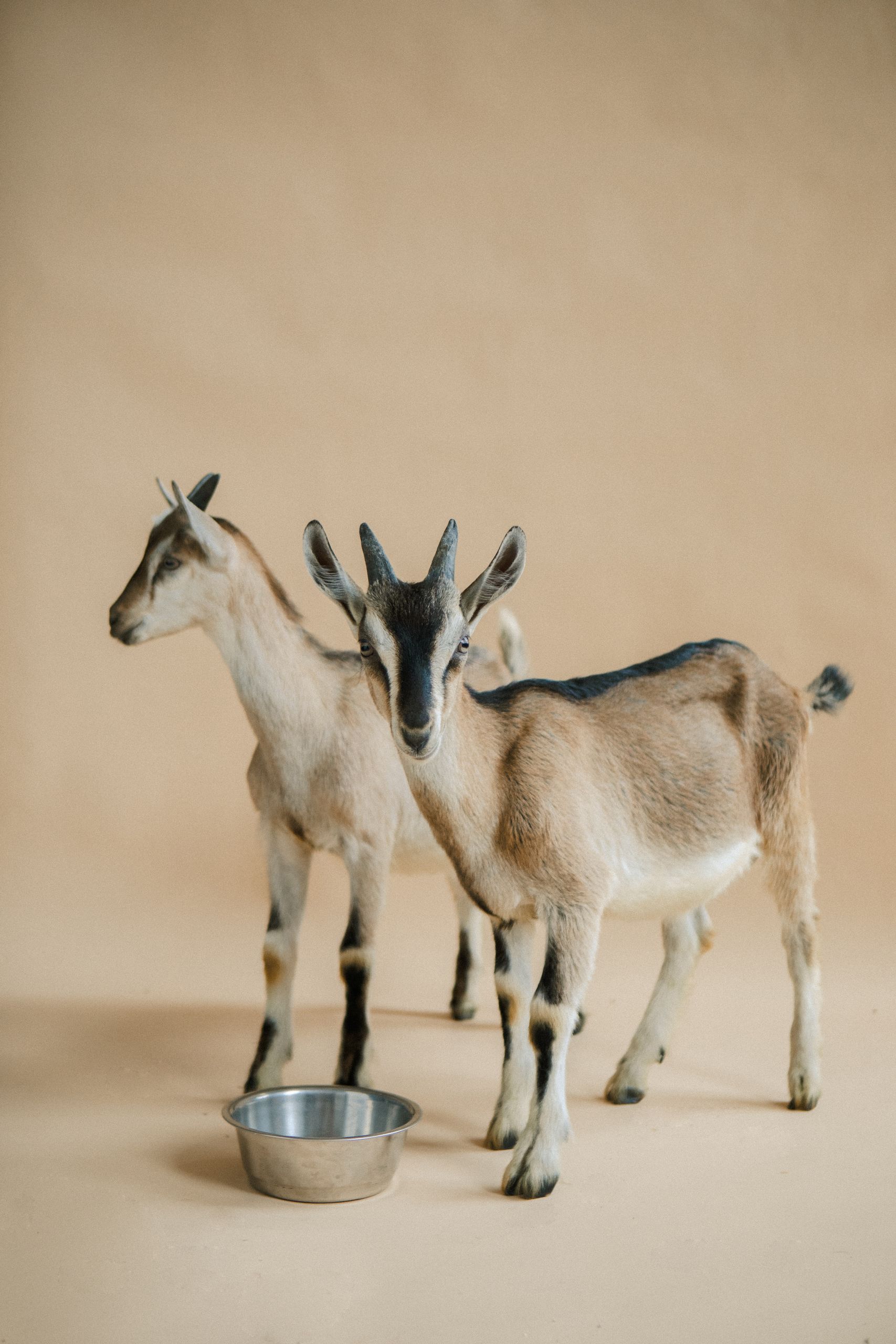
If you are planning to add miniature livestock to your hobby farm, one of the first questions you need to answer is: how big do pygmy goats get? Because they are labeled as a “miniature” breed, many first-time owners mistakenly assume they will stay the size of a small house dog.
However, a true, purebred Pygmy goat is built like a sturdy little tank. Understanding their full adult size, maximum height, and heavy bone structure ensures you can build appropriate shelters, source the right transport trailers, and select secure fencing for your homestead.
The Average Size and Weight of a Mature Pygmy Goat
According to the National Pygmy Goat Association (NPGA) breed standards, a mature pygmy goat will grow to a height of 16 to 23 inches at the withers (the highest point of the shoulder) and typically weighs between 55 and 95 pounds.
While they are short in stature, they are incredibly dense, compact, and heavily muscled.
Pygmy Goat Size Breakdown Table
To help you plan your herd dynamics, here is how the numbers break down by gender and reproductive status:
| Goat Category | Average Height at Withers | Average Weight Range | Physical Breed Characteristics |
| Adult Does (Females) | 16 to 21 inches | 55 to 75 lbs | Compact, wide-barreled body structure; balanced frame. |
| Adult Wethers (Castrated Males) | 16 to 22 inches | 60 to 85 lbs | Robust, thick-boned; often grow slightly larger than does. |
| Adult Bucks (Intact Males) | 16 to 23 inches | 70 to 95+ lbs | Heavily muscled; thick neck, prominent mane, and dense beard. |
Pygmy vs. Nigerian Dwarf: Not All Mini Goats Are Large the Same Way
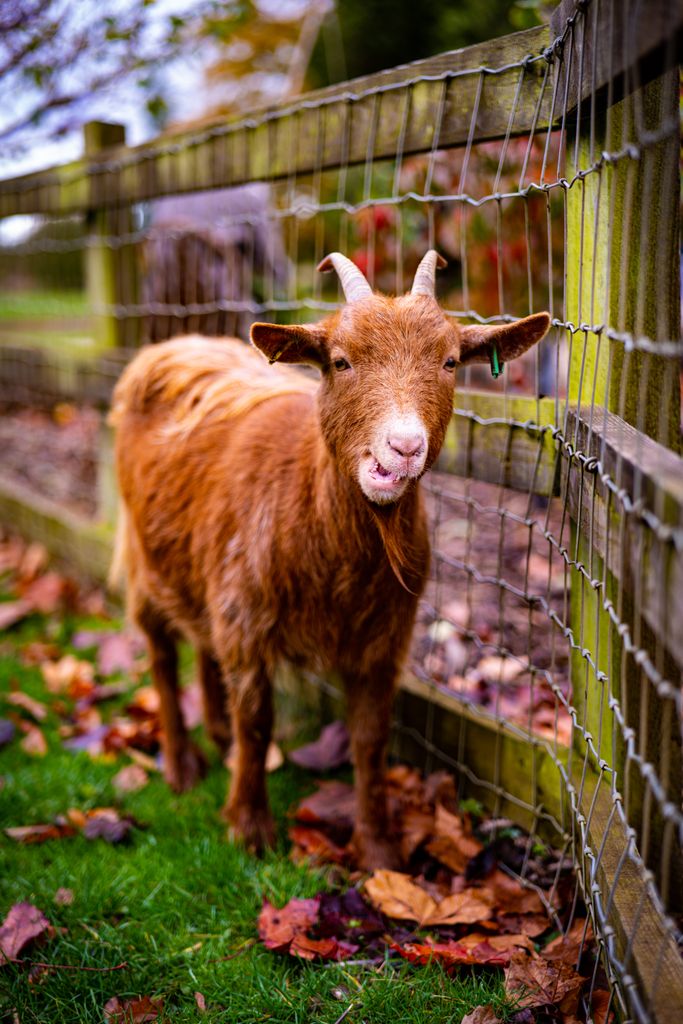
When researching how large do pygmy goats get, buyers frequently confuse the Pygmy with the Nigerian Dwarf. While both are highly popular miniature breeds, their skeletal frames and breed purposes are completely distinct:
- The Pygmy Goat: Developed primarily as a miniature meat-type goat. They are “cobby”—meaning they feature short legs, wide chests, and a broad body circumference that gives them a stocky, heavy-set look.
- The Nigerian Dwarf: Developed as a miniature dairy goat. They are lean, elegant, and long-legged, closely mimicking the refined bodily proportions of a standard full-sized dairy goat, just shrunk down.
Because of this structural difference, a Pygmy goat will almost always weigh significantly more than a Nigerian Dwarf of the exact same height. A 20-inch Pygmy doe can easily weigh 20 pounds more than a 20-inch Nigerian Dwarf doe because of her dense bone mass and heavy muscling.
When Do Pygmy Goats Stop Growing?
Pygmy goat kids grow incredibly fast during their first year of life, but they do not reach their ultimate skeletal maturity until they are 24 to 30 months old.
- Year 1: They achieve most of their vertical height.
- Year 2: They stop growing taller and begin to “widen out,” developing their trademark wide chests, spring of rib, and thick muscle density.
- Year 3: Intact bucks and wethers can continue to add muscle mass and structural width well into their third year.
Because they continue filling out for nearly three years, it is critical not to overfeed them grain during their development. Trying to make a young goat look “blocky” too fast with heavy grain rations will only lead to obesity and serious joint issues down the road.
How Adult Size Impacts Your Homestead Infrastructure
Knowing how big pygmy goats get isn’t just trivia—it directly dictates how you build your farm infrastructure:
1. Fencing Height and Structural Strength
Because pygmies are compact and heavy, they can exert significant force when they lean or rub against fencing. Standard lightweight chicken wire or loose farm fencing will sag and fail. You need a minimum of 4-foot-high, no-climb woven wire fencing (ideally with 2″x4″ openings). This height prevents them from jumping over, while the small openings prevent them from getting their heads stuck.
2. Feeder and Shelter Proportions
Adult pygmies require shelters that keep them completely dry and protected from drafts, but because they are low to the ground, entryways shouldn’t be excessively tall, which lets heat escape. Keep hay mangers and mineral feeders mounted around 12 to 18 inches off the ground—high enough to prevent them from stepping or defecating in their food, but low enough for their compact frames to reach comfortably.
3. Trailer and Transport Needs
Unlike full-sized livestock that require massive commercial stock trailers, a pair of full-grown adult pygmy goats can be transported safely in a large, heavy-duty pet crate secured in the back of an SUV or the bed of a pickup truck with a topper. This makes veterinary visits and breeding trips highly manageable for small-acreage homesteaders.
Ready to Take the Next Step on Your Homestead Journey?
Now that you know exactly what to expect regarding the physical size, height, and heavy bone structure of a mature herd, the next logical question isn’t just about their physical space requirements—it’s about their everyday behavior, temperament, and care routine. Understanding their compact size is just one piece of the puzzle when deciding if these sturdy little animals are the right fit for your property.
Before you hook up the trailer and start scouting local livestock breeders, you need to know what they are actually like to manage on a daily basis. Dive into our comprehensive lifestyle breakdown, Are Pygmy Goats Good Pets? The Honest Pros & Cons for Hobby Farms , to see if their unique personalities align with your family goals.