Pygmy Goats for Sale (USA): The Complete Buyer’s Guide & Breeder Directory
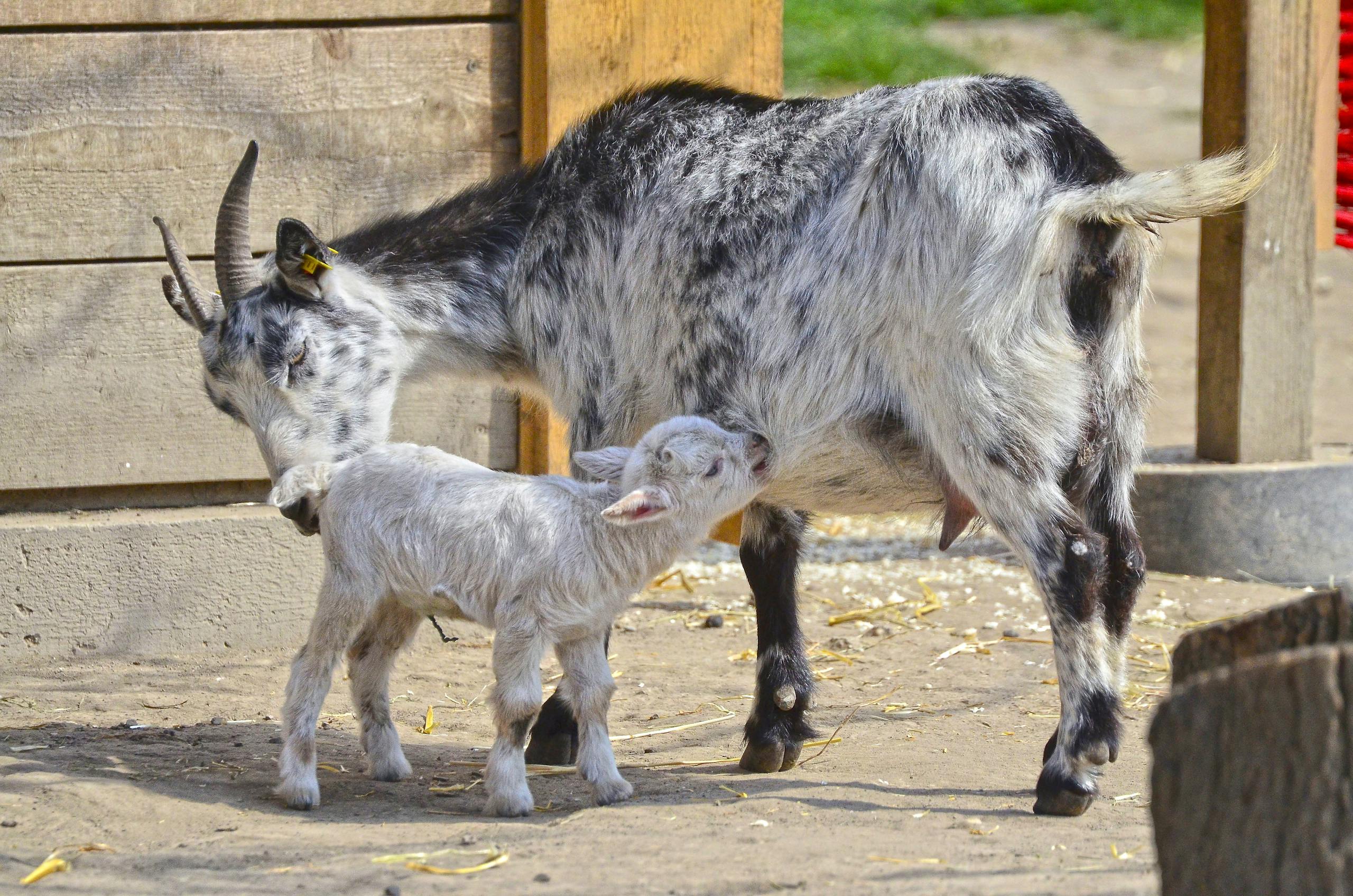
So, you’ve decided to add some “pint-sized” personality to your property. Pygmy goats are more than just adorable lawn ornaments; they are hardy, muscular little athletes that have captured the hearts of American homesteaders for decades. Whether you are looking for a pair of playful pets for the kids or want to dive into the competitive world of livestock showing, starting with the right animal is the key to success.
The search for pygmy goats for sale can be a wild ride. Between social media listings that disappear in an hour and confusing livestock classifieds, it’s hard to know who to trust. This guide is designed to cut through the noise, offering a clear path to finding healthy, high-quality goats from reputable breeders across the United States.
Table of Contents
Understanding the Pygmy Goat
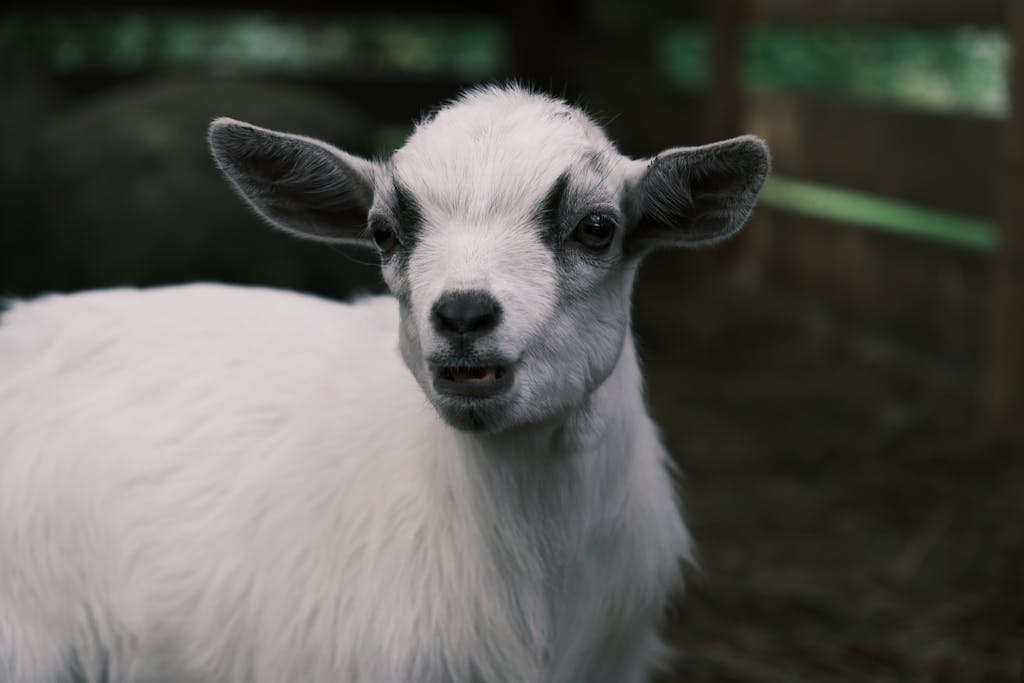
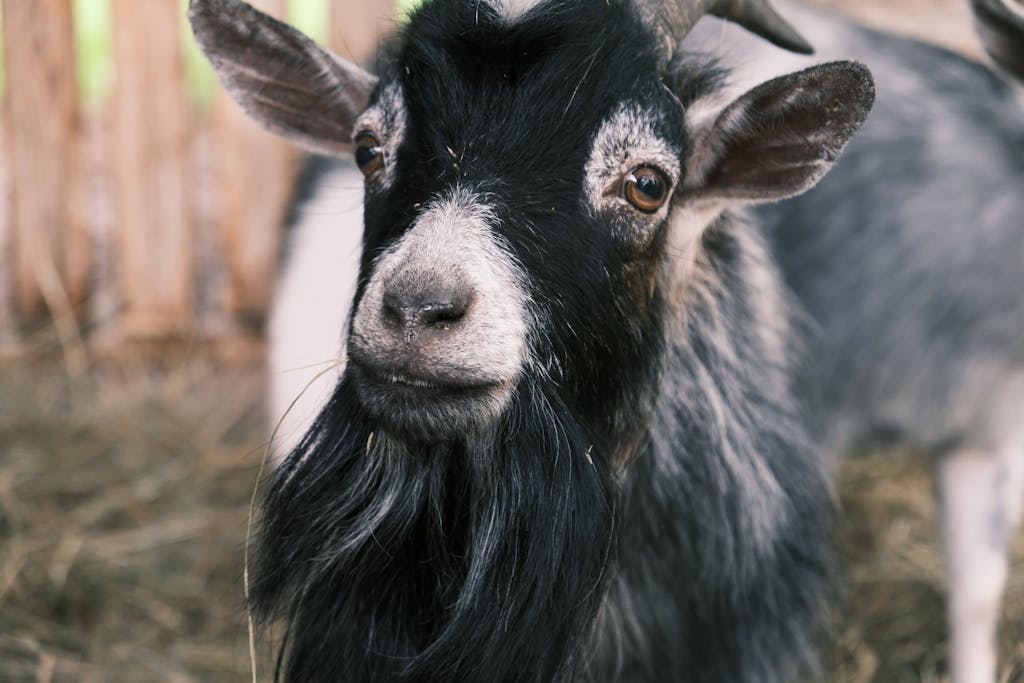
A true Pygmy is a specific breed with a distinct “cobby” phenotype. It is a common mistake to label any small-stature goat as a Pygmy, but understanding the physical standards ensures you are getting the temperament and hardiness you are paying for.
The Build
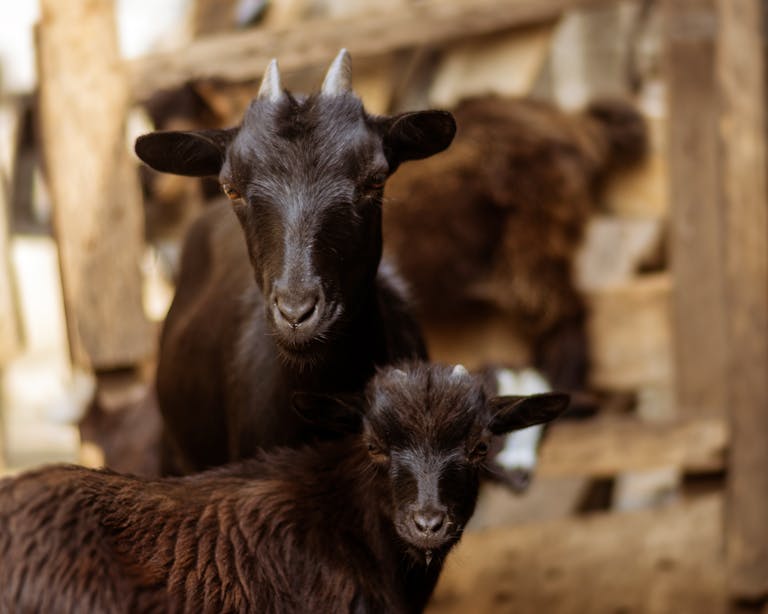
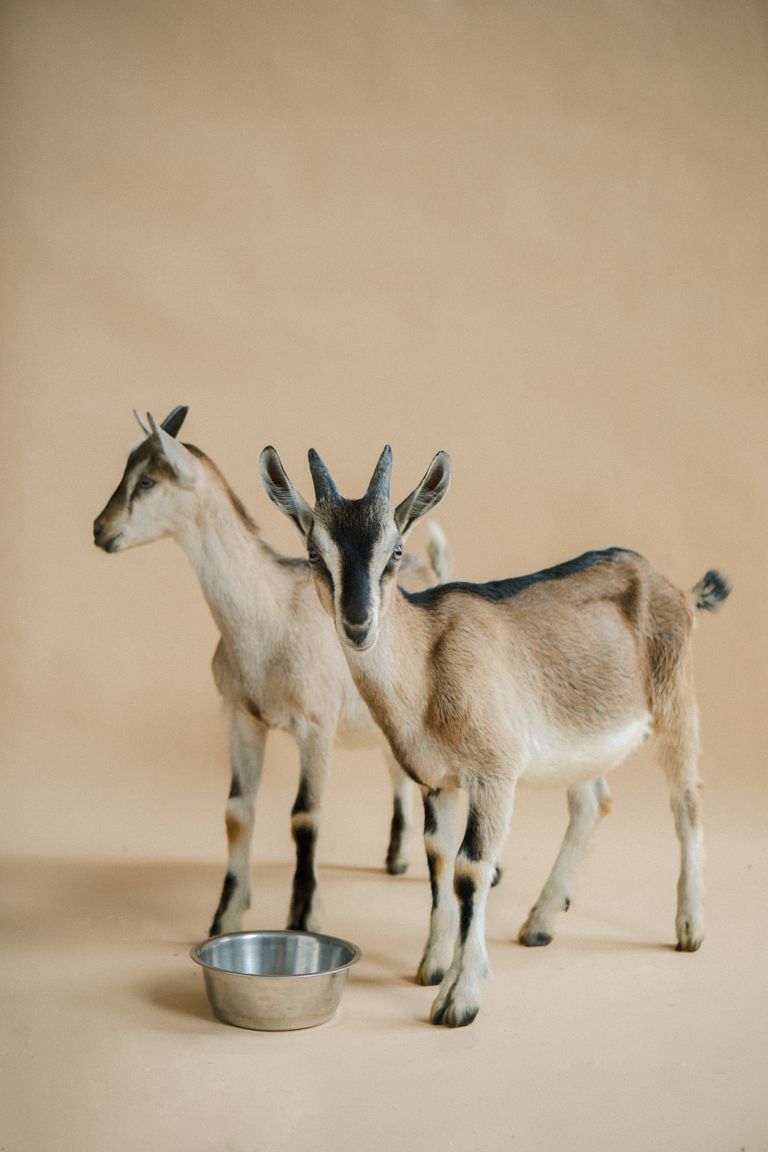
Unlike the lean, dairy-focused Nigerian Dwarf, Pygmies are a “meat-type” miniature breed. Physically, they should be compact, broad, and heavily muscled. A well-bred Pygmy has a deep, wide chest and short, sturdy legs, often referred to as a “keg on legs” appearance.
Confused about which miniature breed fits your farm? Check out our Pygmy Goat vs. Nigerian Dwarf: The Ultimate 2026 Comparison Guide.
Utility and Purpose
While most owners keep them for companionship or local exhibition, their primary utility on a farm is brush management. They are hardy browsers capable of clearing thick undergrowth and brambles that other livestock may avoid. Their small size makes them manageable for acreages where larger ruminants aren’t practical.
Temperament and Intelligence
Pygmies are generally docile and gregarious, making them suitable for families and first-time owners. However, they are highly intelligent and agile. To prevent escapes, they require secure fencing—typically at least four feet high—and environmental enrichment, such as climbing platforms, to satisfy their natural curiosity.
If you’re exploring other compact livestock, see our guide on Other Mini Goats for Small Farms and Backyards (2026 Guide).
Practical Requirements for the American Homestead
If you are looking at pygmy goats for your acreage, you need to look past the “cute” factor and focus on the infrastructure required to keep them healthy and contained. These are hardy animals, but they have specific needs that differ from larger livestock or even other miniature breeds.
1. The Pair Rule: Protecting the Herd Instinct
Goats are intensely social prey animals. A single goat kept in isolation is a stressed animal, which inevitably leads to a suppressed immune system, constant vocalization, and aggressive escape attempts. Most professional breeders in the U.S. will refuse to sell a single animal unless you already have a compatible herd on-site. When budgeting, always plan for at least two.
2. Choosing Your Stock: Wethers vs. Does
Your choice should align with your long-term goals for the property.
- Wethers (Castrated Males): For the average hobby farmer or homesteader, wethers are the most practical choice. They are strictly pets or brush-clearers. They are generally more affordable, maintain a consistent temperament, and lack the hormonal cycles of does or the aggressive musk of intact bucks.
- Does (Females): If you intend to build a herd or participate in local livestock shows, you will need does. While rewarding, they represent a higher financial investment and require a deeper understanding of reproductive health and kidding management.
3. Fencing and Predator Protection
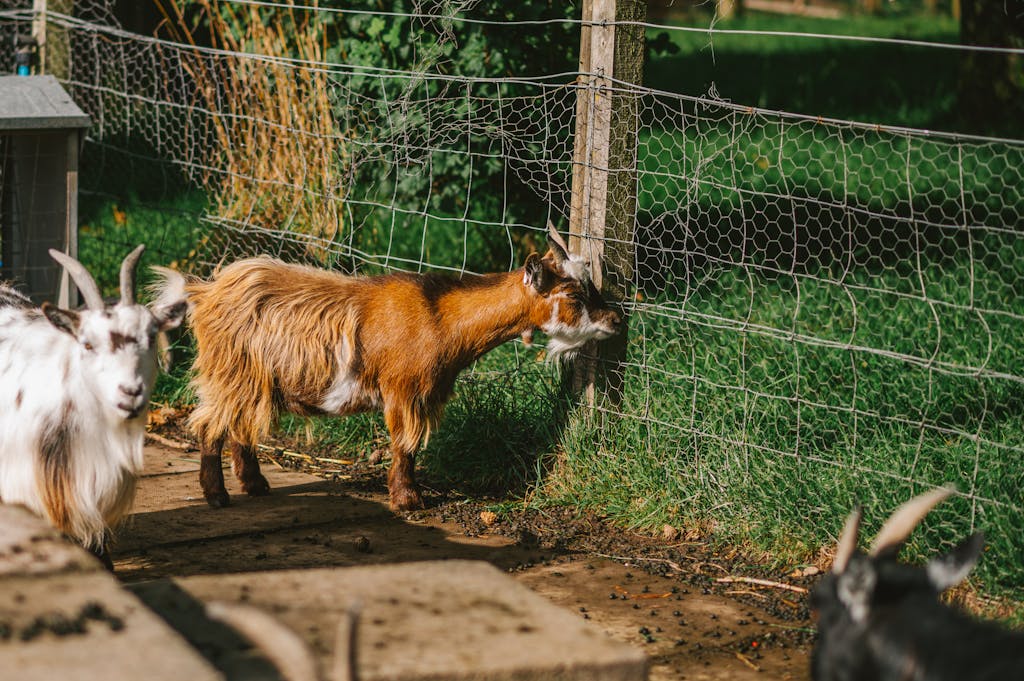
Pygmies are small enough to be vulnerable to local predators like coyotes, roaming dogs, or bobcats. At the same time, they are agile enough to exploit poor fencing.
- Secure Perimeter: Use 4-foot-high “no-climb” woven wire fencing. Avoid standard 6-inch gap cattle panels; pygmy goats are notorious for sticking their heads through the gaps and getting stuck, which can be fatal if they aren’t found quickly.
- Dry Shelter: Goats do not produce much lanolin (the natural oil sheep have) to waterproof their coats. In a rainy or snowy climate, they must have access to a dry, draft-free shed. If they get soaked to the skin in cold weather, they are highly susceptible to pneumonia.
4. Biosecurity and Health Testing
Before bringing any goat onto your farm, you must verify the breeder’s biosecurity practices. In the U.S. goat community, “clean” animals are those that have tested negative for:
- CAE (Caprine Arthritis Encephalitis)
- Johne’s Disease
- CL (Caseous Lymphadenitis)
Ask to see recent laboratory results for the herd. Buying “bargain” goats from a local auction or an untested herd often leads to bringing incurable diseases onto your land that can persist in the soil for years.
Current Market Pricing and Budgeting
When searching for livestock, it is vital to understand the difference between “auction prices” and “breeder prices.” While you might find cheaper animals at a local sale barn, those animals often come without health guarantees or known histories. Buying directly from a farm allows you to see the dam, the sire, and the overall management of the herd.
What to Expect to Pay
Prices vary by region—typically higher in the Northeast and West Coast—but the following ranges are standard for healthy, farm-raised stock:
- Pet-Quality Wethers: $150 – $350. These are castrated males sold without registration papers. They make excellent companions and brush-clearers.
- Family-Farm Does: $400 – $750. These are typically females from healthy herds that may or may not be registered, but are structurally sound for a home breeding program.
- Proven Breeders & Show Prospects: $800 – $1,500+. These animals come with documented pedigrees and are sold based on their superior conformation and potential to improve the breed’s genetics.
The Hidden Costs of Ownership
The purchase price is only the first part of the investment. A practical farm budget should also include:
- Hay and Supplementation: Unless you have high-quality year-round browse, you will need a consistent supply of grass hay. You must also provide a loose mineral specific to goats, as U.S. soils are often deficient in essential elements like selenium and copper.
- Veterinary Care and Biosecurity: Even a healthy herd needs a baseline of care. Budget for annual CD&T vaccinations, regular fecal exams to monitor for parasites, and a “farm call” fund for emergencies.
- Initial Infrastructure: If your property isn’t already set up for small ruminants, your highest upfront cost will likely be the “no-climb” fencing and a secure, predator-proof night shelter.
Why Quality Matters
It is often said that “the most expensive goat is a free goat.” Animals from untested herds or “bargain” sources can bring incurable diseases like CAE or Johne’s onto your property. These conditions not only lead to heartbreak and vet bills but can contaminate your soil and prevent you from keeping healthy livestock in the future. Investing in stock from a breeder who prioritizes biosecurity is always the more cost-effective choice in the long run.
Where to Find Pygmy Goats for Sale Near You
Finding a healthy goat within your own region is safer for the animal and easier on your wallet. Shipping livestock across state lines requires official Certificates of Veterinary Inspection (CVIs) and can be significantly stressful for young kids. We recommend starting your search with local farm visits where you can see the herd management practices firsthand.
Browse Our State-by-State Breeder Directory
To help you find a reputable source, we have organized a directory of active breeders across the country. These guides include regional advice on local forage, climate-specific housing, and trusted farms currently operating in your area.
A Note on National Directories
While you can also consult the National Pygmy Goat Association’s Registered Breeder Directory, be aware that many national registries are only updated annually. This often means the lists contain farms that have recently closed or breeders who are no longer active. You can also check out breeders from Nigerian Dwarf Colors.
Because we know how frustrating it is to call “ghost” farms, our state-specific guides focus on verified, active breeders to save you time and ensure you’re connecting with people who actually have kids available this season.
Red Flags When Buying Livestock Online
The “Pygmy Goats for Sale” market is unfortunately a prime target for digital scams. To protect your investment and your future herd, watch out for these warning signs:
- The “Deposit Only” Trap: Never send a deposit via Zelle, Venmo “Friends and Family,” or wire transfer to someone you haven’t spoken with on the phone. Scammers often use stolen photos of cute kids to lure in unsuspecting buyers.
- Refusal of Farm Visits: While some breeders have strict biosecurity rules about where visitors can go, they should be willing to show you the goats via a live video call if an in-person visit isn’t possible.
- Lack of Health Records: If a seller cannot tell you the herd’s testing status for CAE or Johne’s, or doesn’t know when the kids were last dewormed, it’s a sign of poor management.
Starting Your Journey
Bringing home your first pair of Pygmies is a milestone for any homestead. By prioritizing biosecurity, proper fencing, and social needs over a “bargain” price, you are setting yourself up for years of enjoyment rather than years of vet bills.
New to goats? Read our Ultimate Pygmy Goat Guide for deep dives into nutrition, hoof trimming, and daily care.