5 Practical Steps to Choose the Best Site for a Hoop Barn
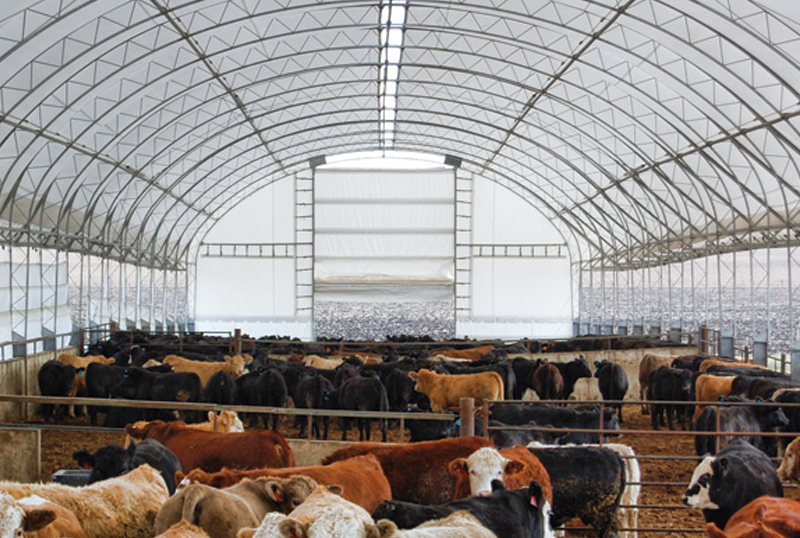
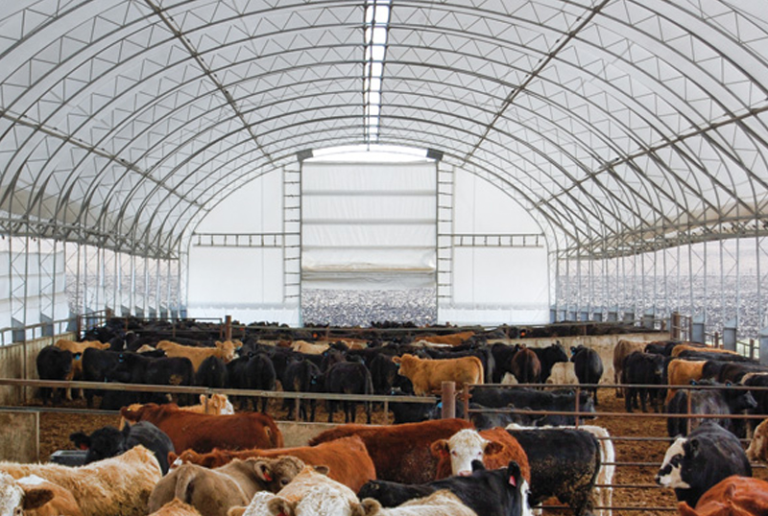
Choosing the right location for your hoop barn is just as important as the structure itself. A well-built barn on a poor site will still give you drainage issues, access problems, and long-term maintenance headaches. Good site selection improves durability, usability, and overall return on investment.
Before you break ground, you should already have a clear idea of your barn size, intended use, and basic layout. This helps you avoid costly redesigns later in the process.
1. Check Zoning, Setbacks, and Property Limits
Before anything else, confirm local zoning rules and agricultural building requirements. Even if hoop barns are often treated as agricultural structures, regulations still vary by county.
You should also verify:
- Property boundaries and survey lines
- Setback requirements from roads, fences, and neighbors
- Utility lines (electric, water, gas, irrigation)
- Drainage easements or restricted zones
Skipping this step can delay construction or force expensive relocation later.
2. Study Wind Direction and Climate Conditions
Your local climate plays a major role in where your hoop barn should sit.
In hot regions, position the structure to take advantage of prevailing winds for natural ventilation. This improves airflow and reduces heat stress for livestock or stored materials.
In colder regions, the priority shifts toward protection. Position the barn to reduce exposure to strong winter winds, which helps with heat retention and reduces snow drift buildup around the structure.
3. Plan Access for Equipment and Daily Use
Think about how you will actually use the barn every day.
Make sure there is:
- Enough turning space for tractors and trailers
- Direct access from main farm roads or driveways
- Clearance for loading and unloading hay or equipment
- Room for future expansion if needed
A barn that is difficult to access quickly becomes inefficient, even if it’s well-built.
4. Evaluate Drainage and Ground Conditions
Water management is one of the most overlooked parts of site selection.
Choose a location that is naturally higher than surrounding land whenever possible. This helps prevent water pooling during heavy rain or snowmelt.
Avoid:
- Low-lying flood-prone areas
- Heavy clay soils with poor drainage
- Rocky ground that complicates anchoring
If needed, plan for grading, gravel pads, or drainage ditches before installation.
5. Think About Long-Term Function and Convenience
A hoop barn is a long-term investment, so placement should support daily farm operations and future plans.
Consider visibility from your home or main work areas if monitoring livestock or equipment is important. Also think about distance from feed storage, water sources, and other barns to reduce unnecessary travel time.
Good placement improves efficiency, reduces labor, and makes the structure more useful year-round.
Final Note
A properly selected site makes every later step—layout, squaring, foundation, and installation—much easier. Taking time upfront to evaluate zoning, climate, access, drainage, and usability ensures your hoop barn performs reliably for years with fewer surprises and lower maintenance costs.