Pony Wall Phase: What Happens After Squaring
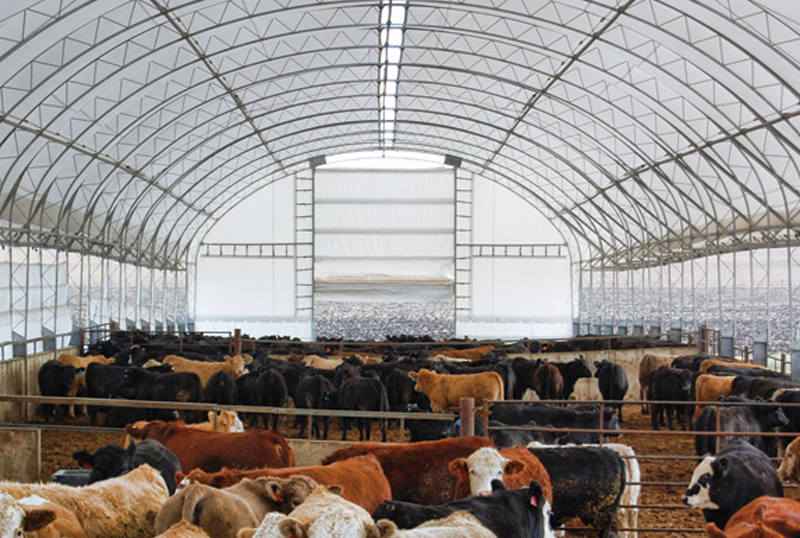
Once your layout is fully squared and confirmed, you transition into the foundation stage. This is where the pony wall becomes the key structural element that connects your measured layout to the physical build. At this point, your string lines are no longer just guides—they become the exact reference for every structural decision moving forward.
Before any construction begins, recheck that all string lines still match your final measurements. Even minor movement from wind, handling, or ground disturbance can affect alignment. This verification step ensures that your foundation follows the exact footprint you established during layout, preventing costly adjustments later.
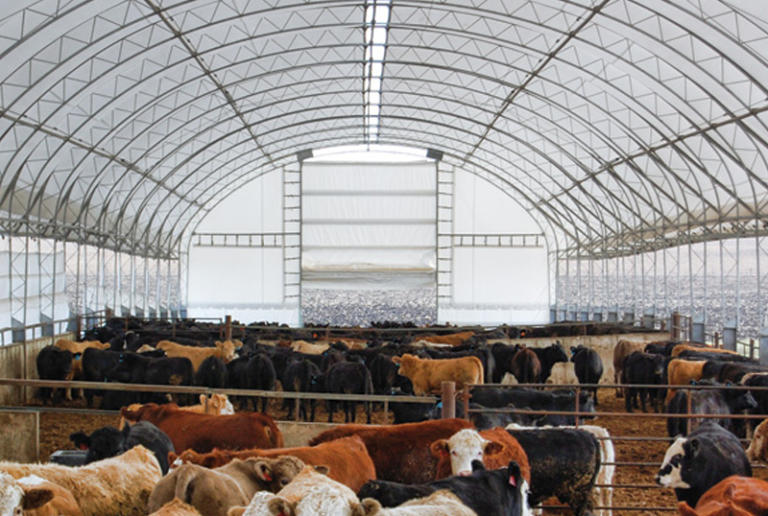
The pony wall defines the base level of the entire hoop barn. It directly influences how the steel frame sits, how evenly the fabric is tensioned, and how the structure distributes load under wind and snow conditions. Because of this, even small errors at this stage can affect long-term structural performance.
Selecting the Right Pony Wall System
Choosing the right system depends on how permanent and heavy-duty your structure needs to be.
Post-set concrete systems are the most commonly used because they balance cost, strength, and ease of installation. They are suitable for general livestock housing and standard farm storage applications.
Poured concrete walls are used when maximum stability is required. These systems are preferred in regions with extreme weather conditions or where long-term fixed infrastructure is needed, as they provide the strongest resistance against shifting and uplift forces.
Concrete block systems offer flexibility and faster installation. They are often used in modular farm setups where future expansion or modification is planned. However, they require properly engineered anchoring points to maintain frame stability.
Structural Importance of the Pony Wall
The pony wall is not just a base—it is the structural interface between ground conditions and the hoop frame system. It stabilizes the building against lateral movement, helps maintain consistent fabric tension, and ensures the arch frame loads are distributed evenly into the ground system.
A properly built pony wall also reduces stress points on the fabric covering by maintaining consistent height and alignment across the full structure. This directly improves durability and reduces maintenance needs over time.
Common Field Errors to Avoid
One of the most critical mistakes during this phase is losing reference accuracy from the original layout strings. If the pony wall deviates even slightly from the squared footprint, the frame will inherit that error, making correction difficult once installation begins.
Another common issue is uneven top elevation across the wall. Even small height variations can create tension inconsistencies in the fabric, especially in wider hoop barns where load distribution is more sensitive.
In colder regions, shallow anchoring is another frequent failure point. If the base system is not secured below frost influence, seasonal ground movement can gradually distort alignment and reduce structural stability.
Construction Sequence Context
To keep the build process clear, the pony wall phase sits in this order:
- Site selection and drainage planning
- Layout and corner marking
- Squaring the structure
- Final string confirmation
- Excavation or post preparation
- Pony wall construction
- Frame assembly
- Fabric installation and tensioning
- Final inspection and adjustments
Key Field Insight
The pony wall is the first permanent structural element of your hoop barn. Once it is installed, every component that follows depends on its accuracy. If this base is correct, the rest of the structure installs cleanly and performs reliably under real farm conditions for years.