Great Pyrenees and Bernese Mountain Dog Mix (Great Bernese)
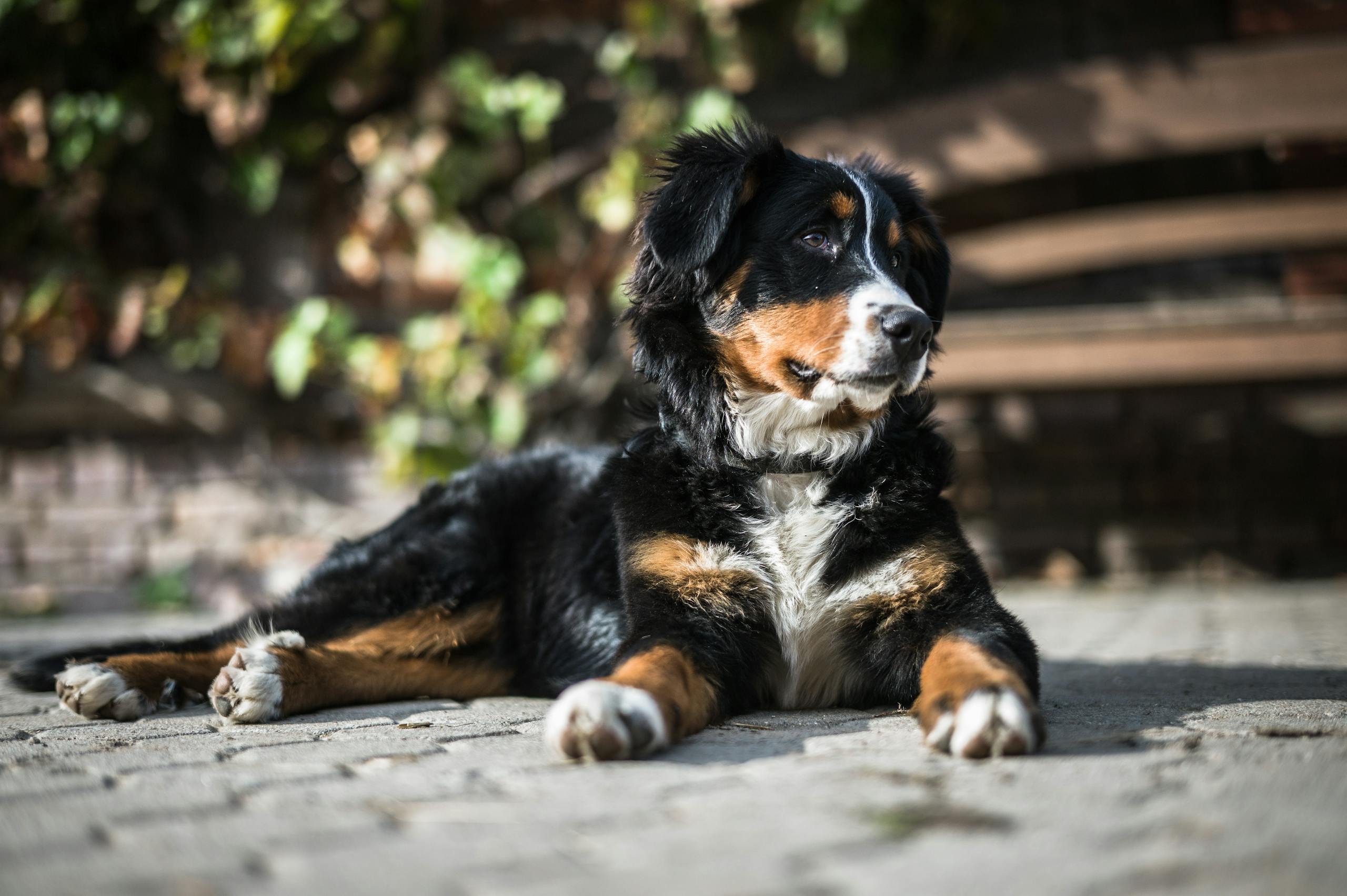
The Great Pyrenees and Bernese Mountain Dog mix, often called the Great Bernese, is a large crossbreed that combines two dogs with long histories as working farm companions. The Great Pyrenees was developed as a livestock guardian, while the Bernese Mountain Dog was used on Swiss farms for tasks including cattle driving and draft work.
The result can be a large, heavily coated dog with a calm personality, strong family attachment, and protective instincts. However, there is no official breed standard for the Great Bernese, so individual dogs can vary considerably in size, appearance, temperament, energy level, and guarding behavior.
If you’re considering one for a farm, homestead, or family, you’ll want to understand more than just how cute the puppies are. Adult size, grooming, exercise, training, livestock compatibility, heat tolerance, and health all matter when you’re bringing home a dog that may eventually weigh well over 80 pounds.
What Is a Great Pyrenees and Bernese Mountain Dog Mix?
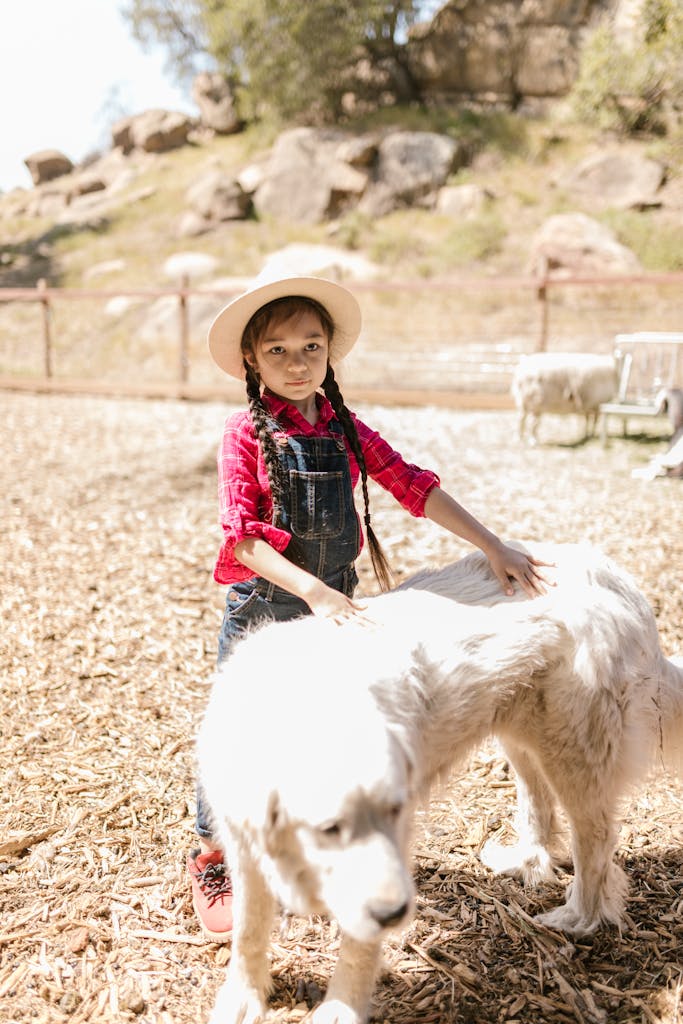
The Great Bernese is a cross between a Great Pyrenees and a Bernese Mountain Dog. Both parent breeds have working backgrounds, but they were developed for different jobs.
The Bernese Mountain Dog originated in Switzerland and was traditionally used as a farm dog. It helped with cattle work, pulling carts, and general farm tasks. The breed is also known for its close relationship with its owners.The Great Pyrenees developed as a livestock guardian. Its job was to live alongside flocks and deter predators while working with relatively little direct instruction from people.
That difference is important when you’re considering their offspring. A Great Bernese isn’t simply a Great Pyrenees with the appearance of a Bernese Mountain Dog. It can inherit different combinations of traits from each parent. One puppy may be particularly people-oriented, while another may be more independent and watchful.
What can you expect from the mix?
A Great Bernese may be:
- Large and powerful
- Affectionate with its family
- Protective of its home or property
- Independent when working
- Comfortable spending time outdoors
- Heavy-shedding
- Relatively calm indoors when its needs are met
- Alert to unfamiliar people, animals, or noises
Those traits can make the mix appealing to farm and homestead owners, but they also mean you need to think carefully about fencing, training, grooming, and space.
Where Does the Great Bernese Come From?
The Great Bernese doesn’t have the long-established breed history of either parent. It is a modern cross rather than a standardized breed recognized by major kennel organizations. To understand what you might get from the mix, it helps to look at both parent breeds.
Bernese Mountain Dog
The Bernese Mountain Dog is a Swiss working breed traditionally associated with farms in the Swiss Alps. Farmers used Bernese Mountain Dogs for several jobs, including moving cattle, pulling carts, and general farm work. The breed is also known for being strongly bonded with its human family.
You can learn more about the breed through the American Kennel Club’s Bernese Mountain Dog profile.
Great Pyrenees
The Great Pyrenees is a large livestock guardian developed to protect flocks from predators. Unlike herding breeds that move livestock in response to a handler’s commands, livestock guardian dogs are expected to spend extended periods with the animals and make decisions independently. That background helps explain why a Great Bernese may show territorial behavior, alert barking, and a tendency to investigate unfamiliar activity.
The American Kennel Club’s Great Pyrenees profile provides additional information about the breed.
Great Bernese Size and Appearance
One of the first things people want to know is how big a Great Bernese will become. The tricky part is that there is no standardized size for this crossbreed. The adult size depends on the size and genetics of the individual parents, as well as the dog’s sex and overall development. Many Great Bernese dogs are large enough to require the same practical considerations as other giant or near-giant dogs.
| Trait | What to expect |
|---|---|
| Adult weight | Highly variable; many are large dogs weighing roughly 80–130+ pounds |
| Height | Variable, often comparable to the large size of the parent breeds |
| Build | Usually substantial, with a broad chest and heavy bone |
| Coat | Long or medium-long, dense double coat |
| Shedding | Moderate to heavy, often increasing during seasonal coat changes |
| Colors | Can vary depending on which parent contributes the dominant coat traits |
| Lifespan | Variable; large-breed longevity should be discussed with the breeder and veterinarian |
Don’t buy a Great Bernese puppy based on an advertised adult weight alone. Even puppies from the same litter can mature differently.
A large dog changes your daily routine
A very large dog needs more than a bigger food bowl.
You may need:
- A vehicle with enough room for the dog
- Larger crates and beds
- Strong fencing
- Appropriate large-breed parasite prevention
- Larger quantities of food
- More space for movement
- A plan for transporting the dog to the veterinarian
A 100-pound dog also has a very different physical impact on your home than a 30-pound dog. Training manners early is particularly important when that puppy eventually becomes a full-sized adult.
Great Bernese Temperament
The temperament of a Great Bernese depends heavily on the individual dog and the traits it inherits from each parent.
The Bernese Mountain Dog tends to have a strong connection with its family, while the Great Pyrenees has been selected for independent livestock-guarding work.
A Great Bernese may therefore be affectionate and family-oriented while still showing a strong instinct to monitor its surroundings.
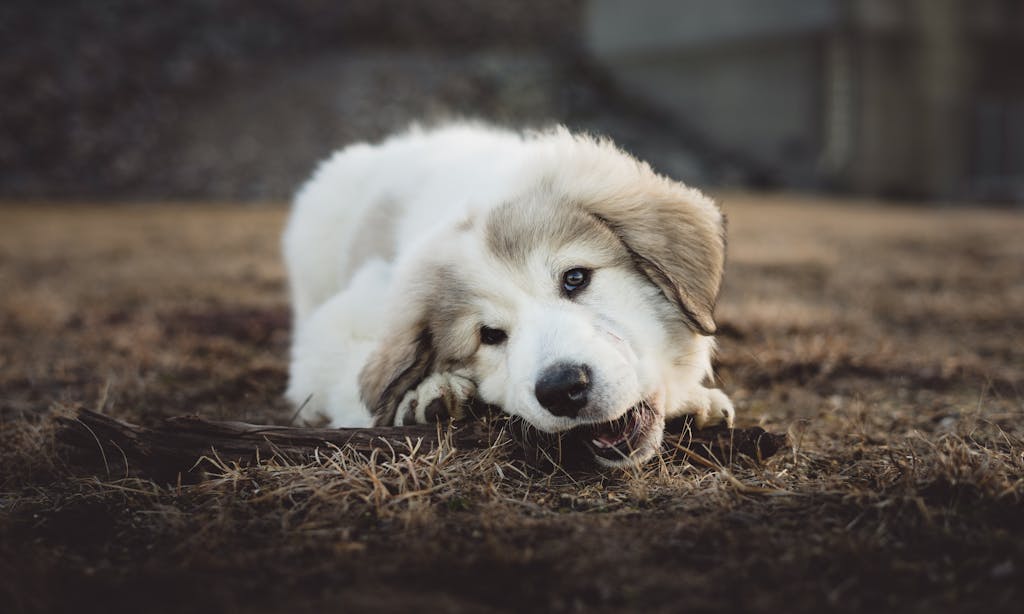
Common traits
- Affectionate:
Many individuals form close bonds with their owners and enjoy spending time with the family. - Protective:
The Great Pyrenees side can contribute territorial and guardian behavior. - Independent:
A Great Pyrenees was bred to make decisions without constant human direction. That independence can appear in the mix as well. - Alert:
Some Great Bernese dogs may respond to unfamiliar people, animals, or nighttime noises with barking or investigation. - Calm:
Many large working dogs are relatively relaxed once their physical and mental needs are met.
Is a Great Bernese Good for Farm Life?
It can be, particularly when the dog’s individual temperament and training fit the job. The Great Pyrenees parent gives the mix a background in livestock protection, while the Bernese Mountain Dog brings a history of general farm work and close interaction with people. However, a Great Bernese should not automatically be treated as a finished livestock guardian.
A dog raised as a household companion may behave very differently from a puppy deliberately socialized around livestock.
Livestock compatibility
If your goal is to have the dog live with sheep, goats, poultry, or other livestock, early socialization and careful supervision matter. Young dogs can be playful and inexperienced. Chasing, rough play, or inappropriate interaction can injure smaller animals even when the dog has no intention of harming them. Don’t assume that a puppy will automatically know how to guard livestock simply because one of its parents was a Great Pyrenees.
Introduce the dog gradually, supervise interactions, and give it time to mature.
Farm property and fencing
A Great Bernese may also work well as a property companion or watchdog, but fencing is important. Great Pyrenees dogs can be independent and may wander if they are given the opportunity. A large dog that decides to investigate something beyond the property boundary can quickly become difficult to retrieve.
A secure fence and reliable recall training are therefore valuable even if the dog spends most of its time outdoors.
Exercise Needs
Despite its size, a Great Bernese doesn’t necessarily need the same type of exercise as a high-drive sporting or herding breed. The better approach is to provide regular moderate activity combined with mental stimulation.
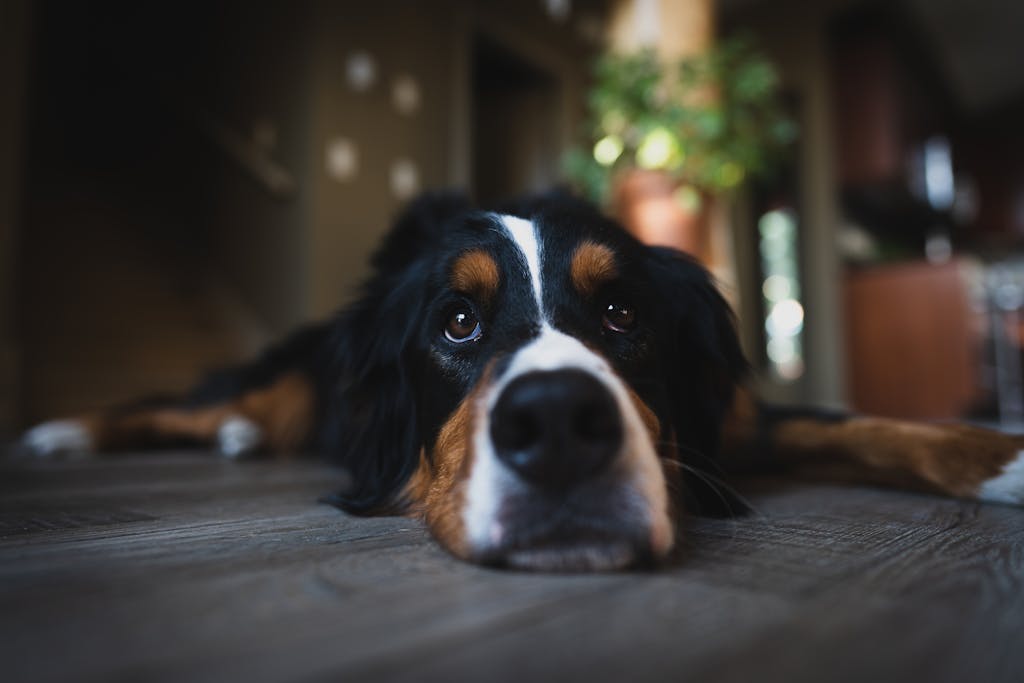
Depending on the individual dog, this might include:
- Daily walks
- Supervised outdoor exploration
- Play sessions
- Basic obedience training
- Scent-based games
- Farm or property walks
- Age-appropriate work around the homestead
Avoid assuming that more exercise is always better.
Great Bernese puppies need special care
Large-breed puppies develop for a long time, and excessive high-impact exercise can place unnecessary stress on developing joints. Young puppies should not be pushed into long-distance running, repetitive jumping, or strenuous work simply to “tire them out.” Instead, allow them to move, explore, play, and develop gradually while following your veterinarian’s advice about appropriate exercise.
Training and Socialization
Training a Great Bernese is particularly important because a small behavioral problem becomes much harder to manage when the dog weighs 100 pounds.
Start with basic skills while the puppy is young:
- Name recognition
- Recall
- Loose-leash walking
- Sit and down
- Leave it
- Place training
- Calm greetings
- Handling and grooming
- Cooperative veterinary care
Positive reinforcement and consistency are generally more useful than harsh corrections.
Socialization matters just as much
A Great Bernese should gradually experience different people, environments, sounds, surfaces, animals, and situations. This is particularly important for a dog with potential guardian instincts. A poorly socialized guardian-type dog may become unnecessarily suspicious of visitors or unfamiliar situations.
The goal isn’t to make the dog greet everyone. The goal is to teach it how to remain calm and manageable when something unfamiliar happens.
Grooming a Great Bernese
If you don’t like dog hair, think carefully before getting a Great Bernese. Both parent breeds have substantial coats, and the mix can produce a dog that sheds heavily. Regular brushing can help remove loose hair before it ends up on your furniture, clothing, and floors.
Basic grooming routine
A Great Bernese may need:
- Regular brushing
- More frequent brushing during heavy shedding periods
- Regular nail trimming
- Ear checks
- Dental care
- Occasional bathing
- Coat checks after outdoor activity
Farm dogs deserve particularly careful coat inspections because grass seeds, burrs, mud, and other debris can become trapped in dense fur. Pay particular attention to areas behind the ears, around the legs, between the toes, and under the collar.
Can Great Bernese Dogs Handle Hot Weather?
This is an important consideration if you live in a warm climate. A Great Bernese can inherit a dense double coat from either parent, making hot and humid weather much more challenging than cold conditions. Don’t assume that because a dog has a thick coat it can safely work outside in extreme heat.
During hot weather:
- Exercise during cooler parts of the day.
- Provide shade.
- Keep fresh water available.
- Give the dog a cool place to rest.
- Watch for excessive panting, weakness, confusion, or collapse.
- Stop exercise if the dog appears overheated.
Heatstroke is a veterinary emergency. A Great Bernese living in a hot region may require considerably more heat management than one living in a cool mountain climate.
Great Bernese Health
Like any large mixed-breed dog, a Great Bernese can be affected by health problems inherited from either parent. Being a mixed breed does not automatically eliminate inherited disease. Potential concerns can include conditions seen in large dogs and conditions associated with the parent breeds.
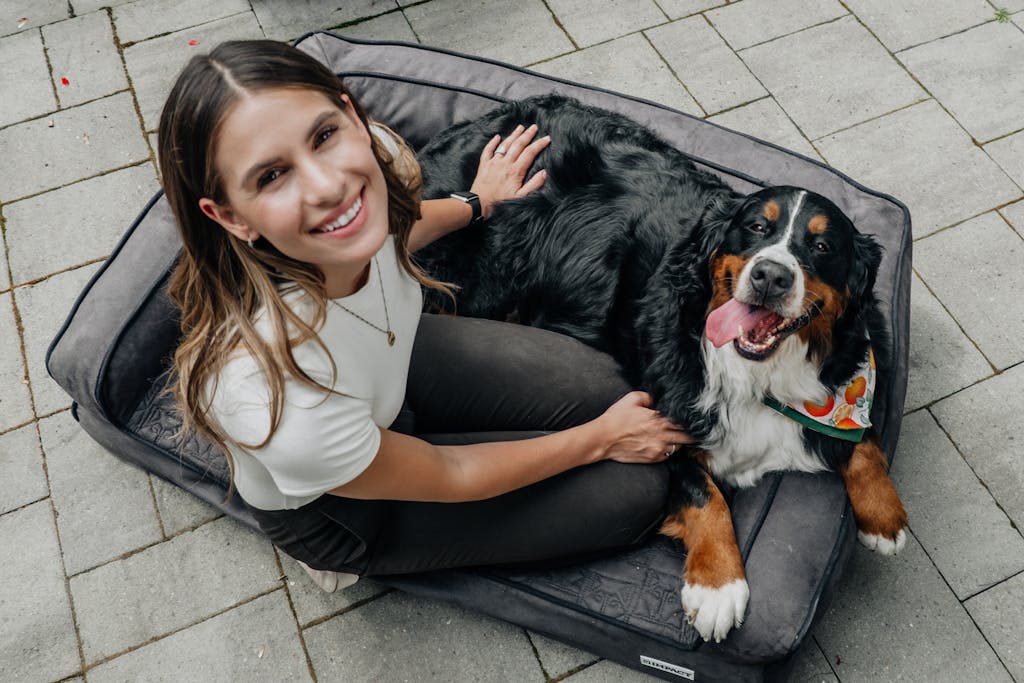
Hip and elbow problems
Large dogs can be susceptible to orthopedic problems such as hip and elbow dysplasia. Keeping a growing dog at an appropriate body condition is important. Your veterinarian can help determine whether your puppy is growing appropriately and recommend suitable nutrition and activity. Avoid starting supplements simply because the dog is large. Ask your veterinarian whether a particular supplement is appropriate for your individual dog.
Gastric dilatation-volvulus (bloat)
Large, deep-chested dogs can be at risk of gastric dilatation-volvulus (GDV), commonly called bloat.
Possible warning signs include:
- Restlessness
- Repeated attempts to vomit without producing much
- A swollen or painful abdomen
- Excessive drooling
- Weakness or collapse
GDV is an emergency. If you suspect it, seek veterinary treatment immediately. Ask your veterinarian whether preventive gastropexy is appropriate for your dog.
Cancer
Bernese Mountain Dogs have a documented susceptibility to several cancers, including histiocytic diseases. That makes responsible breeding particularly important. When researching a puppy, ask the breeder about the health and longevity of the parents and other close relatives rather than focusing only on the puppy’s appearance.
What to Ask a Great Bernese Breeder
Because there is no single breed standard for the Great Bernese, breeder quality matters enormously.
Before putting down a deposit, ask:
- Can I meet the puppy’s mother?
- Can I learn about the father?
- What health testing has been performed on the parents?
- What health problems have occurred in previous litters?
- How old are the parents?
- How long have close relatives typically lived?
- How are the puppies socialized?
- Have the puppies been exposed to household sounds?
- Have they been around livestock if they are being sold as farm dogs?
- What veterinary care have the puppies received?
- What vaccinations and deworming have been completed?
- What happens if the puppy develops a serious inherited condition?
A responsible breeder should be willing to discuss these questions openly.
Where Can You Find a Great Bernese Puppy in the U.S.?
Great Bernese puppies aren’t as standardized or widely available as puppies from established purebred breeds.
You may encounter them through:
- Small-scale breeders
- Farm or homestead breeders
- Working-dog networks
- Breed-specific rescue groups
- General large-dog rescues
- Private rehoming situations
Don’t choose a breeder simply because they advertise the puppies as “working” or “farm raised.”
Ask what that actually means.
A puppy raised around livestock may have valuable early exposure, but you still need to evaluate its temperament, health, socialization, and suitability for your particular animals.
Likewise, a puppy raised in a house isn’t necessarily unsuitable for farm life. It may simply require a gradual introduction to livestock and outdoor work.
Great Bernese vs. Great Pyrenees vs. Bernese Mountain Dog
If you’re deciding between the mix and its parent breeds, the differences are worth considering.
| Trait | Great Pyrenees | Bernese Mountain Dog | Great Bernese |
|---|---|---|---|
| Primary historical role | Livestock guardian | Farm/general working dog | Varies |
| Guardian instinct | Strong | Lower | Variable |
| Independence | Often high | Generally lower | Variable |
| Family orientation | Affectionate but often independent | Strong | Variable |
| Coat | Thick double coat | Long double coat | Usually substantial |
| Shedding | Heavy | Heavy | Often heavy |
| Adult size | Very large | Large | Variable, often very large |
| Livestock suitability | Historically specialized | Farm companion | Depends on individual dog and training |
The Great Bernese can offer an interesting combination of traits, but you shouldn’t expect a predictable 50/50 blend.
Is a Great Bernese a Good Family Dog?
A Great Bernese can be a loving family companion, but suitability depends on the individual dog’s temperament, socialization, training, and the household. Their size alone means young children should not be left unsupervised with them. A large, enthusiastic dog can accidentally knock over a toddler even when it is being friendly.
Families should also be prepared for:
- Heavy shedding
- Regular grooming
- Large food and veterinary costs
- Potential barking
- Guardian instincts
- The need for consistent training
- A dog that may occupy considerable space in the home
For the right household, these characteristics may be manageable. For a household looking for a low-maintenance dog, they can be challenging.
Great Bernese Names
If you’re choosing a name for your Great Bernese, a strong or outdoors-inspired name can fit its appearance and working background.
Some ideas include:
Atlas, Bear, Ranger, Oakley, Dakota, Sierra, Sage, Willow, Rosie, and Diesel.
Choose something easy to say and distinct from common commands.
Final Thoughts
The Great Pyrenees and Bernese Mountain Dog mix can be an impressive combination of two working breeds. You may get a large, affectionate dog with a protective streak, substantial coat, and strong attachment to its family. You may also get a more independent dog that prefers to patrol the property and decide for itself when something needs attention.That’s part of the appeal—and part of the responsibility.Before bringing one home, think beyond the puppy stage. Consider the dog’s eventual size, grooming needs, exercise, training, heat tolerance, veterinary costs, and whether its temperament fits the job you actually want it to perform.
If you’re looking for another unusual dog breed, you can also read our guide to Indian dog breeds.
Frequently Asked Questions
What is a Great Pyrenees and Bernese Mountain Dog mix?
A Great Bernese is a cross between a Great Pyrenees and a Bernese Mountain Dog. It can inherit the Great Pyrenees’ livestock-guardian instincts and the Bernese Mountain Dog’s history as a people-oriented farm dog, but individual characteristics vary.
How big does a Great Bernese get?
There is no standardized adult size because the Great Bernese is a crossbreed. Many are large dogs, and some can weigh well over 100 pounds. The size of the parents can provide a useful indication, but it cannot guarantee an adult weight.
Is a Great Bernese good for farm life?
It can be suitable for farm life, particularly when the individual dog has an appropriate temperament and receives proper training and socialization. However, it should not automatically be assumed to be a reliable livestock guardian simply because it has a Great Pyrenees parent.
Can a Great Bernese protect livestock?
Some may develop strong protective behavior, particularly if they inherit guardian traits from the Great Pyrenees. However, livestock-guardian ability varies between individual dogs. Proper socialization, supervision, and training are important.
Are Great Bernese dogs good with children?
They can be affectionate and family-oriented, but individual temperament varies. Because they are large dogs, interactions with young children should always be supervised.
Do Great Bernese dogs shed?
Yes. A Great Bernese will usually have a substantial coat and can shed heavily, particularly during seasonal coat changes. Regular brushing is an important part of ownership.
Do Great Bernese dogs bark a lot?
Some do. The Great Pyrenees was developed as a livestock guardian and may use barking to alert or deter potential threats. A Great Bernese that inherits this trait may bark at unfamiliar people, animals, or nighttime activity.
Are Great Bernese dogs easy to train?
They can learn well, but they may not always be highly obedient. The Great Pyrenees’ independent working background can contribute to a dog that doesn’t respond automatically to every command. Early training, positive reinforcement, and consistency are important.
Can Great Bernese dogs live in apartments?
It depends on the individual dog and the owner’s ability to meet its needs, but their large size, coat, potential barking, and exercise requirements can make apartment living challenging. A secure outdoor area isn’t a substitute for training and daily interaction.
How much exercise does a Great Bernese need?
Exercise requirements vary with age, health, and temperament. Most benefit from regular walks, outdoor activity, play, and mental stimulation. Puppies should not be subjected to excessive high-impact exercise while their bones and joints are developing.
Where can I find Great Bernese puppies for sale?
You may find puppies through small breeders, farm-based breeders, rescue organizations, and private rehoming. Because this is not a standardized breed, investigate the parents’ health, temperament, and living conditions carefully before buying a puppy.