Livestock Guardian Dog Training: The 4-Phase Field Guide
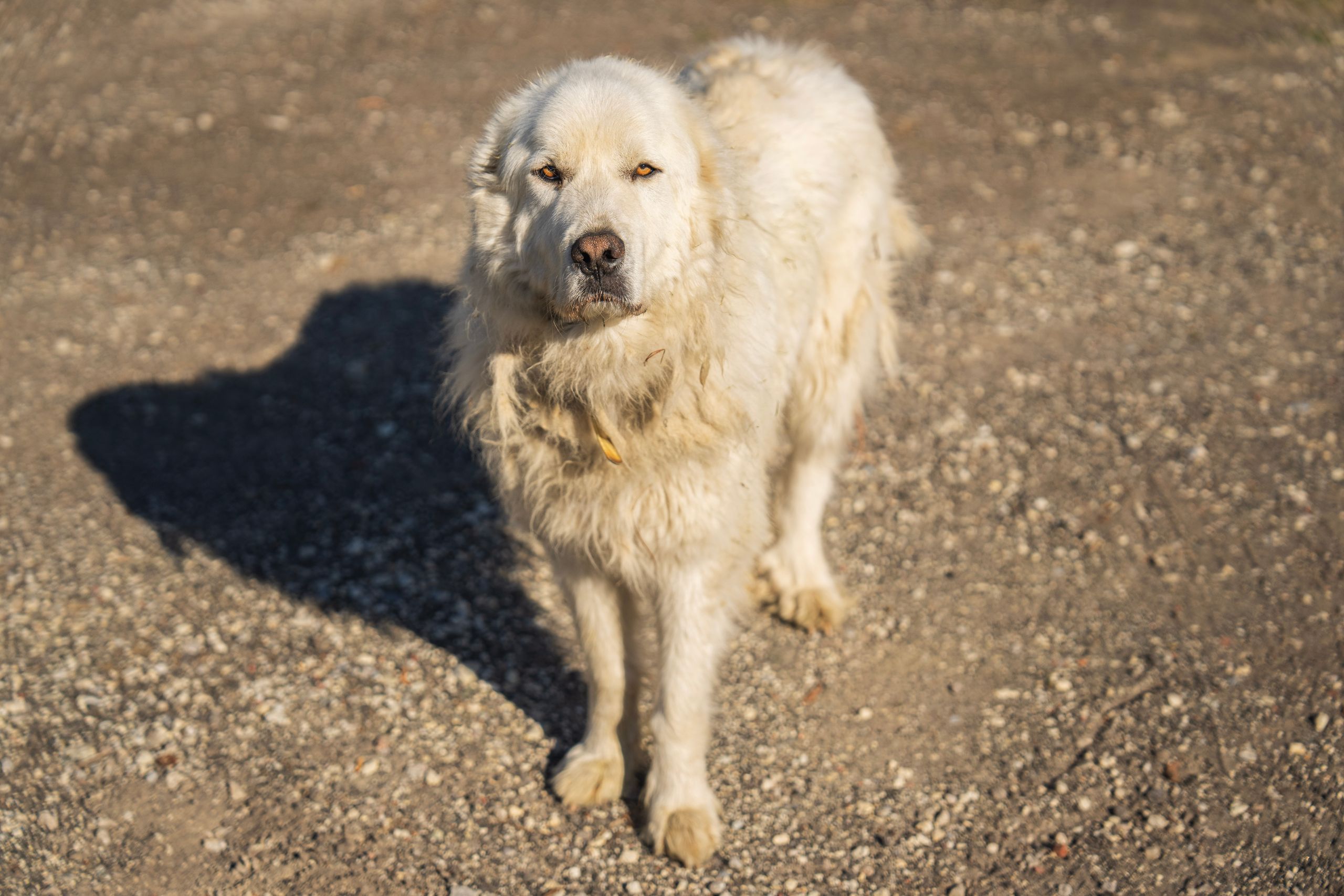
Adding a Livestock Guardian Dog (LGD) to your acreage is one of the most effective structural security measures you can implement to insulate a herd from predation. However, managing an LGD is completely distinct from training a standard herding canine or a typical family pet. It relies on a meticulous, multi-year synthesis of genetic instincts, strict perimeter infrastructure, and systematic environmental exposure.
Left unguided, a guardian breed’s raw instincts can mutate into destructive behaviors like chasing vulnerable stock, escaping pasture boundaries, or exhibiting dangerous human aggression. Safely channeling your dog’s defensive drive requires an unwavering, low-stress operational framework from puppyhood to cognitive maturity.
This technical guide outlines our field-tested, phase-by-phase timeline required to transition an LGD puppy into a highly stable, trustworthy, and autonomous field asset.
Methodology: How We Verified These Protocols
The data, frameworks, and insights detailed in this guide are compiled from real-world agricultural operations, ongoing field assessments across active goat and sheep pastures, and structural data supported by the Texas A&M AgriLife Extension Service. Furthermore, we have cross-referenced these protocols against verified stakeholder case studies from prominent livestock husbandry forums (such as r/livestock), blending long-term academic research with ground-level ranching experience.
The Fundamental Need: Why You Must Train an LGD
A common misconception among first-time homesteaders is that you can simply buy an LGD puppy from a working lineage, drop them into a pasture, and let nature do the rest. While it is true that the protective drive is entirely genetic, an untrained LGD is a liability, not an asset.
Proactive training is necessary because a young guardian dog does not inherently know how to handle the complex, fluid environment of a modern farm. Without intentional guidance, several critical operational failures occur:
- Distinguishing Assets from Prey: An untrained puppy does not automatically view small, fast-moving animals—like newborn kids, lambs, or poultry—as things to protect. To a juvenile canine, a running animal can trigger a latent chase drive. You must train them to recognize these animals as assets to be guarded, not toys to be pursued.
- Perimeter Fidelity: LGD breeds are evolutionary roamers. Their instinct dictates that they should expand their territory to keep predators as far away from the core zone as possible. Without strict boundary training, they will scale fences, wander onto neighboring properties, or wander into roadways, presenting significant legal and safety risks.
- Handler Manageability: Your dog will eventually weigh over 100 pounds. If they are completely feral and unsocialized to human handling, simple tasks like administering vaccinations, checking for hoof rot, treating injuries, or loading them into a trailer for a veterinary visit become dangerous, multi-person struggles. Training ensures they respect human handlers while remaining dedicated to their stock.
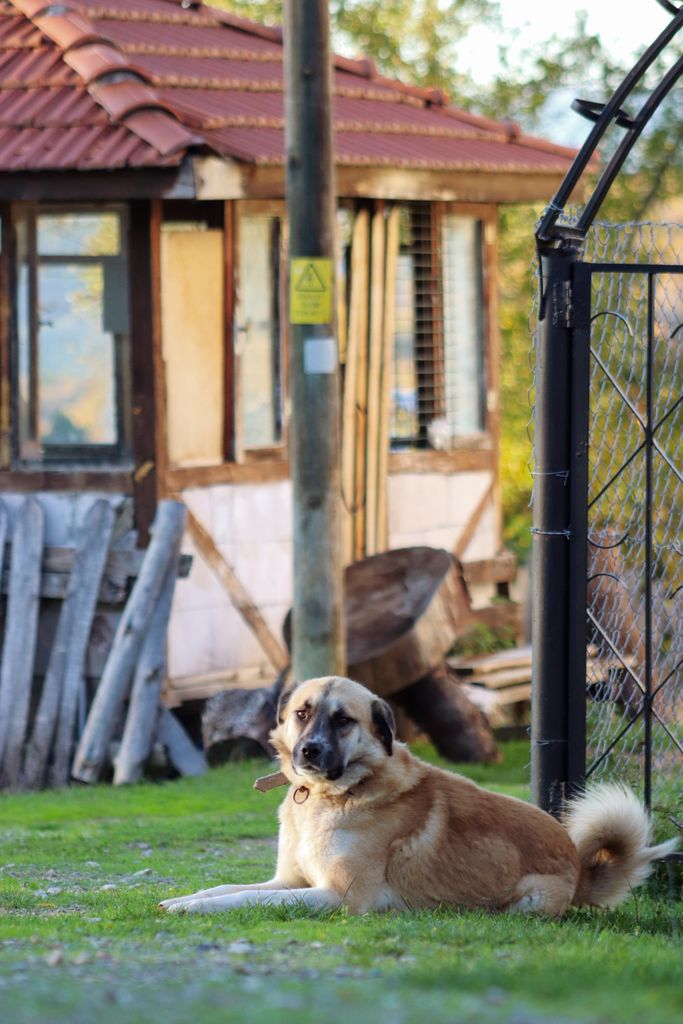
The Psychological Barrier: Why LGDs Are Notoriously Difficult to Train
Here are three seamless ways to weave that link into your paragraph, depending on how subtle or explicit you want the reference to be.
Option 1: Direct & Natural (Best for Minimal Text Changes)
Integrates the link directly as an example alongside companion/herding breeds.
“Understanding why LGDs are difficult to train is essential to adjusting your expectations. If you approach a full-fledged LGD with the same mindset used to train a Labrador, a German Shepherd, or even a more biddable hybrid like a Great Pyrenees and Bernese Mountain Dog mix, you will fail.
Standard domestic breeds have been selectively bred for biddability—the desire to look to a human handler for direction and please them. Livestock guardian dogs have been bred for thousands of years for the exact opposite trait: absolute independence and autonomous decision-making.
When a predator approaches a pasture at 3:00 AM, the dog cannot wait for a human command. They must evaluate the threat and act completely on their own. Because of this deeply ingrained cognitive independence, LGDs present unique training hurdles:
- Apparent Stubbornness: An LGD understands your commands perfectly; they simply choose whether or not the command is relevant to their current environmental assessment. If they are scanning the tree line for coyotes, a command to “sit” or “come” will be ignored because their evolutionary programming tells them guarding the perimeter is more important than human compliance.
- Delayed Maturity: LGD breeds grow physically massive at an alarming rate, but they remain mentally immature adolescents until they are roughly two to three years old. Handlers often face severe frustration because an 80-pound, 14-month-old dog looks like a mature adult but still possesses the erratic, impulsive brain of a puppy.
- Low Food Motivation in the Field: Unlike companion dogs, working LGDs frequently ignore standard treat-based positive reinforcement when they are out in their element. Their primary psychological reward is the security of their territory and their bond with the herd, making traditional clicker or treat training highly ineffective in a pasture setting.
The LGD Philosophy: Guard Instinct vs. Obedience Training
Ultimately, developing a dependable livestock guardian dog boils down to a reliable formula: combining the animal’s natural genetic instincts with structured handler management. When a dog’s hardwired drives—specifically their territorial defense and deep herd bonding—are properly paired with solid infrastructure like perimeter control and strict behavioral boundaries, the result is a highly effective, autonomous agricultural asset.
Traditional obedience work should be minimized. Over-indexing on submissive commands can accidentally suppress the independent decision-making capacity an LGD needs to dynamically neutralize a nocturnal predator threat without human direction. Instead, prioritize socialization, low-stress handling manners, and early prey-drive regulation through the phase-by-phase framework below.
Phase 1: Critical Post-Weaning Bonding & Socialization (8 Weeks to 5 Months)
Data from livestock extension research indicates that LGD puppies bonded immediately after weaning (around 8 weeks of age) on their “home farm” exhibit significantly higher long-term site fidelity and structural integration than dogs introduced later in their development.
- The Safe Pen Setup: Do not bring a young LGD puppy into your residential living space if they are meant to be field-bound assets. To prevent over-bonding with humans or companion pets, build a heavy-duty, dedicated “puppy pen” directly inside or immediately adjacent to your active animal housing (e.g., inside the goat barn or sheep shed). The puppy must be structurally isolated by high-tensile wire or cattle panels to avoid physical injury or trampling from mature stock, while remaining close enough to share constant sights, vocalisations, and pheromones.
- Supervised Co-Habitation: Introduce the puppy to calm, maternal, or docile animals under a short lead line. The livestock must not tolerate puppy antics, but they should not pose a lethal threat to the pup either. If the puppy exhibits over-arousal, play-biting, or chasing, immediately issue a low, firm verbal correction, disengage, and return them to their protective pen.
- Managing “Flappy Things” (Poultry Isolation): A common vulnerability shared by ranchers on forums like r/livestock is the assumption that LGDs naturally protect birds. They do not. Poultry trigger a puppy’s latent prey drive very easily. Keep puppies strictly separated from chickens, ducks, or turkeys until they have fully mastered impulse control. If you intend to use them for poultry, explicitly train them that birds are assets by issuing strict “No” corrections during any fixated stalking or pawing behavior.
Phase 2: Lead Line Progression & Boundary Infrastructure (5 Months to 12 Months)
As the puppy enters adolescence, its rapid physical growth will temporarily outpace its cognitive maturity. This is the stage where concrete boundary training and field etiquette must be locked in to combat their natural independence.
- The Lead Line Protocol: Never allow a juvenile dog free rein in a wide-open pasture. Utilize a dynamic training progression:
- Step 1: Lead Line/Leash Control: Keep the juvenile dog on a heavy-duty lead line fastened to your belt during daily farm chores. This permits the dog to navigate stock at a safe distance while completely eliminating their physical ability to chase.
- Step 2: Drag Line Supervision: Transition the dog to a 20-to-30-foot trailing drag line. This allows the dog autonomous exploration within your sightline, giving you a physical handle to step on and interrupt the dog if they drop into a predatory stalk or chase sequence.
- Perimeter Infrastructure Support: Because LGD breeds are hardwired to continuously expand their territory, your external boundaries must be highly secure. Integrating a low-running and top-running strand of high-voltage electric fencing (hot wire) teaches adolescent dogs to deeply respect the physical borders of your property before they develop a habit of escaping.
- Socialization in Their Space Only: Socialize with the dog strictly within the boundaries of their working pasture. Do not take them to suburban dog parks or off-property hikes. They must view the interior of your perimeter fencing as their entire universe, and you as a respected utility handler rather than a playmate.
Phase 3: Navigating the Adolescent Regression (12 Months to 2 Years)
Between 12 and 24 months, LGDs undergo a challenging adolescent phase. They possess the physical power of an adult animal but lack emotional stability. It is during this period that handlers frequently report behavioral setbacks.
- The Unsupervised Myth: A critical error is leaving an LGD under the age of two completely unsupervised with vulnerable stock overnight. If you must leave them, ensure they are paired with a seasoned, mature mentor LGD. An experienced adult dog will physically correct an adolescent’s inappropriate play, teaching field manners far more effectively than a human handler can.
- The “Time-Out” Strategy: If an adolescent dog exhibits sudden regressions—such as resource guarding feed troughs from stock or chasing newborns during the kidding/lambing season—immediately downscale their clearance. Return the dog to their structured puppy pen or a smaller run alongside the pasture. Re-establish structural boundaries for several weeks before attempting a gradual, supervised re-introduction.
Phase 4: Operational Field Infrastructure & Long-Term Health Protection
An elite working LGD functions as a long-term farm asset. To maintain peak operational performance season after season, you must build out a resilient safety and veterinary framework.
| Security/Health Measure | Technical Application & Infrastructure | Operational Rationale |
| Heavy-Duty Field Identification | Durable collar featuring an engraved, flush-mounted metal nameplate with farm name, phone number, and address. | Prevents snagging on brush or high-tensile wire while guaranteeing instant owner identification if a fence is breached. |
| GPS/Tracking Infrastructure | Cellular or satellite-based GPS tracking collars (e.g., specialized livestock or working dog telemetry). | Allows precision monitoring of pasture patrols across expansive acreage or heavily forested open range. |
| Microchip Integration | Subcutaneous microchip registered with up-to-date global recovery databases. | Provides an unalterable safety net if field collars snap off or are lost during an active predator confrontation. |
| Proactive Pasture Biosecurity | Annual core vaccinations (CD&T, Rabies) alongside continuous flea, tick, and mosquito prevention. Regular fecal testing. | Working LGDs live full-time in raw environments alongside production stock, exposing them to high vector-borne and pasture-parasite loads. |
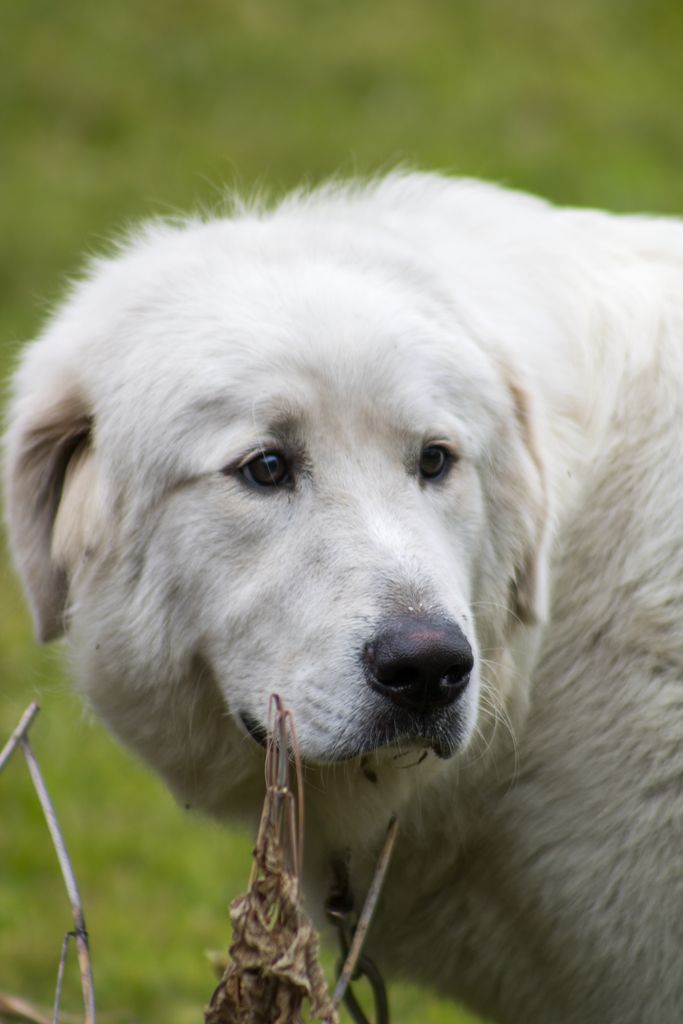
Pros & Cons of Implementing a Working LGD Asset
Pros:
- Continuous Non-Lethal Mitigation: Provides an autonomous, 24/7 deterrent against coyotes, foxes, stray dogs, and apex predators without requiring constant human intervention.
- Reduced Herd Stress: The constant presence of a stable guardian allows prey livestock to graze calmly, directly boosting body condition scores and reproductive output.
- Extensive Acreage Coverage: Capable of securing remote paddocks where electronic surveillance or physical predator-proof fencing is financially cost-prohibitive.
Cons & Operational Risks:
- Extended Capital/Time Investment: Requires a strict two-year training and development timeline before the asset is fully autonomous and reliable due to the dog’s independent psychology.
- High Infrastructure Demands: Requires highly secure, specialized fencing and dedicated feeding setups to prevent the dog from consuming livestock rations or escaping.
- Potential for Liability: If poorly socialized or improperly fenced, an LGD’s deep territorial drive can pose an authentic safety hazard to legitimate farm visitors, delivery personnel, or neighboring livestock.
By strictly protecting your puppy’s early bonding window, implementing a systematic lead-line-to-drag-line progression, and respecting the lengthy two-year path to cognitive maturity, you will successfully transition your LGD from an erratic adolescent into an invaluable, long-term asset capable of defending your property for a lifetime.
The Working LGD Asset Cheat Sheet: Protocol & Behavior Blueprint
| Training Phase & Focus | Target Behaviors to Reward | Critical Corrections (Zero Tolerance) | Operational Strategy & Infrastructure |
| Phase 1: Controlled Run Exposure (8 Wks – 5 Mos) | Maintaining a calm, prone “lay down” posture near birds/stockAllowing flighty livestock to investigate safely | Play-biting, lunging, or chasingFixated stalking or pawing behaviors | Separate training for littermates to prevent littermate syndromeNo tie-outs or tethers (prevents over-arousal) |
| Phase 2: High-Arousal Proofing (5 Mos – 12 Mos) | Maintaining neutrality during morning feeding rushesIgnoring sudden wing-flapping or stock running | Running through the herd or startling birdsBarking or pacing the pasture fence lines | Keep the dog on a loose lead line tied to your belt during daily choresTransition to a 20-to-30-foot trailing drag line under active sightline supervision |
| Phase 3: Supervised Free Ranging (12 Mos – 24 Mos) | “Scanning” behavior (looking at the stock, then watching the horizon/perimeter)Moving calmly past vulnerable stock without lingering | Playful postures, play-slaps, or mouthingResource guarding feed troughs or hovering during birthing season | Shadow the dog from a designated vantage pointIssue a sharp "Ah-Ah!" or "Leave It" instantly to disrupt bad habits before age two |
| Long-Term Field Maintenance (Adulthood / 2+ Yrs) | Independent boundary fidelity and autonomous nocturnal patrollingSubmitting calmly to basic handler manners (sit, stay, vehicle load) | Accepting food or treats from unverified strangersEscaping perimeter boundaries | Implement segmented feeding runs so the dog eats in peaceLimit play to before or after work hoursProvide high-value decompression treats (like a pig trotter) only after stock is p |
Pro-Tip: Managing the Transition to Free-Ranging & Protecting Asset Security
When you are ready to transition your LGD from the controlled poultry run to supervised free-ranging, avoid the temptation to leave the dog on a tie-out or tether. In our experience, physical restraint in an open pasture can frustrate and over-amp a adolescent canine, creating a heightened state of arousal around flighty birds. Instead, physically walk the dog to the run, open the gate, and call them back with you to a shared vantage point where you can monitor the perimeter together. Keep your training sessions strictly separated from the dog’s daily routines: engage in play exclusively before the birds are let out or after they are securely locked away for the night. This teaches your LGD that whenever stock is out, it is strictly “work time.”
Finally, implement a strict “no-stranger treat” policy. While visiting neighbors or farm guests can offer pats and praise, limit high-value edible rewards entirely to primary handlers. Working LGDs operate in open environments where the threat of malicious baiting or accidental poisoning is a real-world liability; training your guardian dog to be naturally skeptical of food offered by outsiders is a critical security layer that keeps your 150-pound asset safe.