Farm Building & Infrastructure: The Complete DIY Guide
Building on a ranch or homestead is about more than just four walls and a roof; it’s about creating a functional workspace that stands up to the elements. Whether you are installing a high-tensile fence, planning a new workshop, or maintaining a hoop barn, this hub is designed to give you the blueprints for success.
🏗️ Barns & Shelters
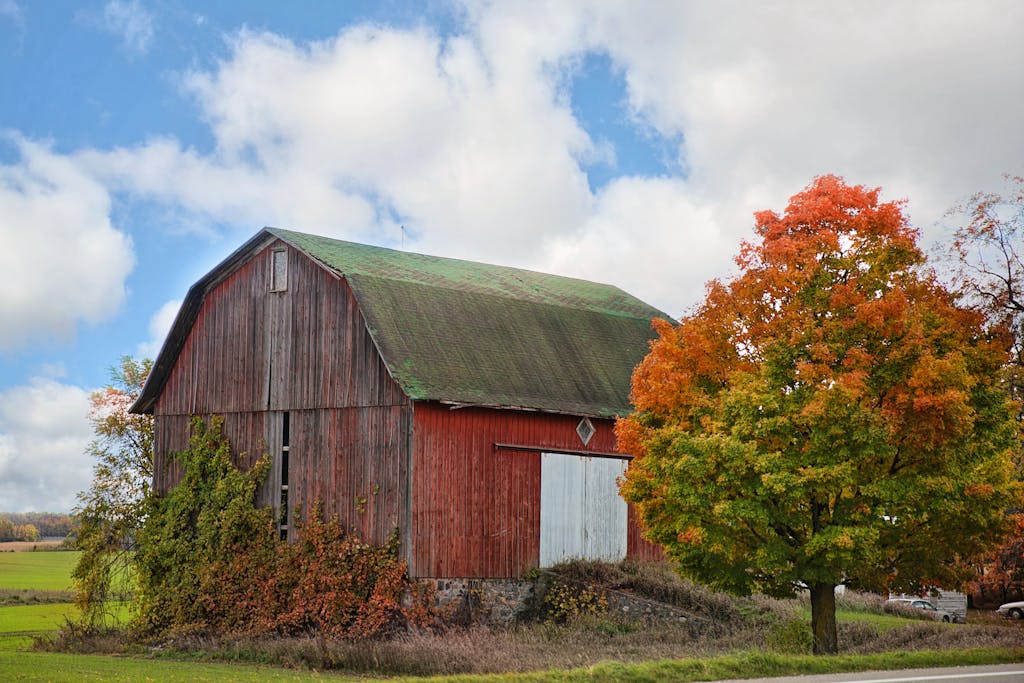
The heart of every farm is its shelter. In this section, we cover everything from traditional timber frames to modern tension fabric buildings.
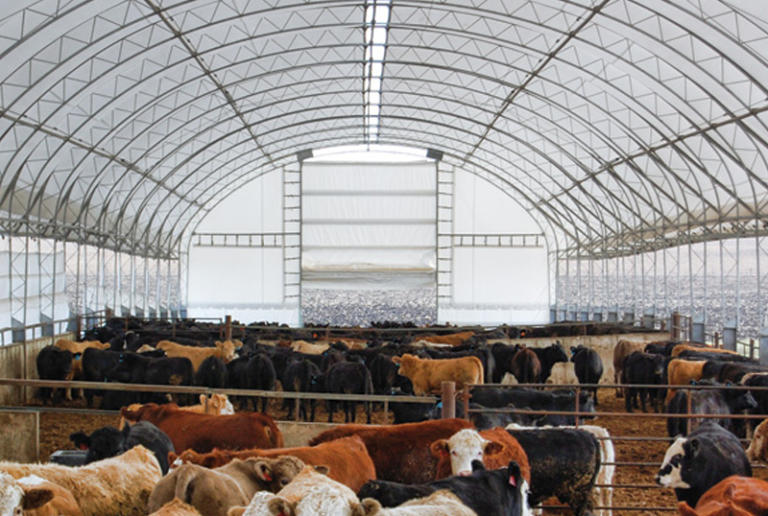
- Hoop Barns: Learn why these versatile structures are the leading choice for livestock and equipment storage. Check out all our guides on Hoop barns: The 2026 Guide to Hoop Barn Installation & Fabric Replacement.
- Pole Barns: A deep dive into post-frame construction and why it’s the gold standard for DIY farm shops.
- Run-in Sheds: Quick, portable shelter ideas for horses and cattle in the back pasture.
- Doghouses: Seasonal shelter solutions for every breed, featuringinsulated winter dens, ventilated summer retreats, and spacious multi-dog kennels for the whole pack.
🚧 Fencing & Perimeter Security
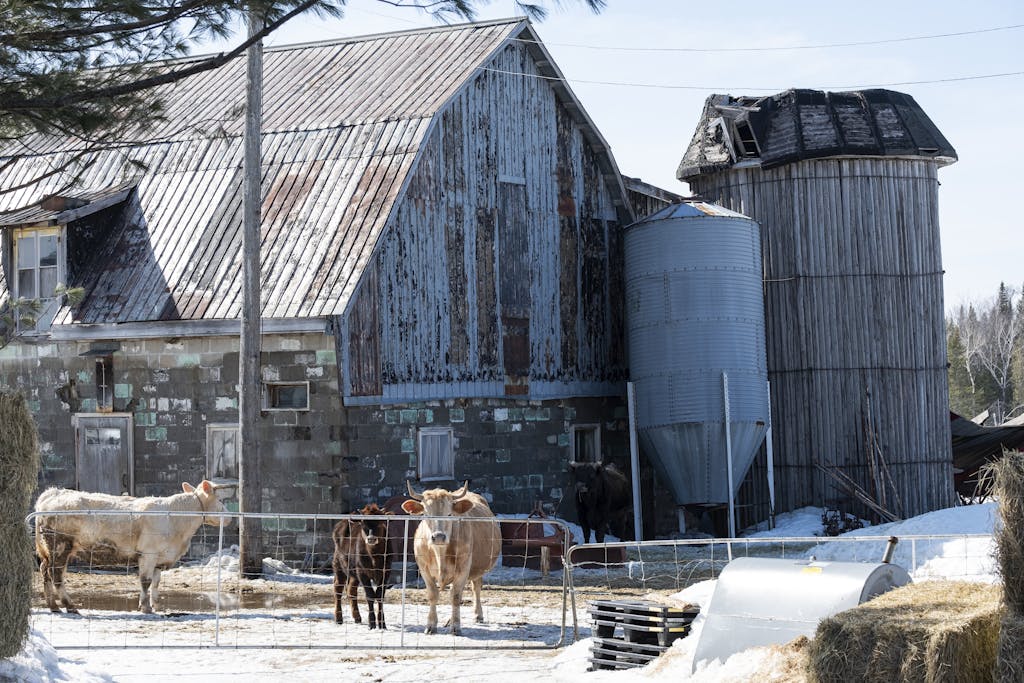
A farm is only as good as its fences. Proper construction prevents escapes and protects your livestock from predators.
- DIY Fence Construction: Which post should you choose? We compare Pressure-Treated Wood vs. T-Posts vs. Cedar.
- Electric Fencing: How to ground your system properly so it actually packs a punch.
- Predator Protection: Using specialized lighting (like Sniper Hog Lights) and perimeter wire to keep coyotes at bay.
🛠️ Infrastructure & Maintenance
Good infrastructure is invisible until it breaks. These guides focus on the “guts” of the farm—utilities, drainage, and long-term repairs.
- Barn Door Hardware: Why heavy-duty sliding doors are better than overhead doors for high-wind areas.
- Water & Power: How to run frost-free water lines and install safe electrical outlets in a dusty barn environment.
- Fabric & Roof Repair: How to patch a hoop barn cover or stop a metal roof from leaking.
💡 Top 5 Essential Farm Building Tips
- Use High-Quality Fasteners: In the barn world, rust is the silent killer. Always use galvanized or stainless steel.
- Site Selection is Everything: Always build on the highest ground available to prevent flooding.
- Permits First: Before you buy a hoop barn kit, check your local zoning for “Agricultural Exemptions.”
- Think About Airflow: A building that doesn’t breathe will rot. Always plan for ridge vents or gable fans.
- Over-Engineer Your Fences: If a fence can hold a goat, it can hold anything. If it can’t, it’s just a ladder.
To finish off your Farm Building & Infrastructure hub page, we need a conclusion that ties everything together and encourages the reader to start their project with confidence.
Final Thoughts: Building Your Legacy One Post at a Time
At the end of the day, every fence post you drive and every barn door you hang is an investment in the future of your land. Infrastructure projects can feel overwhelming when you’re looking at a blank pasture, but the secret is to build for longevity rather than just for today. By choosing high-quality materials—like hot-dipped galvanized steel and UV-stabilized fabrics—and following the “Golden Rules” of site prep and drainage, you are ensuring that your farm remains a productive, safe environment for decades to come. Don’t be afraid to start small; a well-built run-in shed is better than a poorly constructed barn. We’ll be here to walk you through every step of the process, from the first permit application to the final tightening of a ratchet strap.
-
5 Practical Steps to Choose the Best Site for a Hoop Barn
Choosing the right location for your hoop barn is just as important as the structure itself. A well-built barn on a poor site will still give you drainage issues, access problems, and long-term maintenance headaches. Good site selection improves durability, usability, and overall return on investment. Before you break ground, you should already have a…
-
Pony Wall Phase: What Happens After Squaring
Once your layout is fully squared and confirmed, you transition into the foundation stage. This is where the pony wall becomes the key structural element that connects your measured layout to the physical build. At this point, your string lines are no longer just guides—they become the exact reference for every structural decision moving forward….
-
How to Lay Out and Square Up Your Hoop Barn
Getting your layout right is one of the most important steps in building a hoop barn. If the corners are even slightly off, it can cause major issues later such as poor frame alignment, uneven fabric tension, and structural stress over time. A properly laid out and squared site saves you money, time, and frustration…
-
What Is a Hoop Barn Kit? Complete Buyer’s Guide
Hoop barn kits have become one of the most practical and cost-effective building solutions for modern farms, livestock operations, and agricultural businesses. Whether you need a shelter for animals, hay storage, equipment protection, or a multi-purpose agricultural structure, hoop barns offer flexibility without the high cost of traditional buildings. Unlike conventional wooden or steel barns,…