What Is a Hoop Barn Kit? Complete Buyer’s Guide
Hoop barn kits have become one of the most practical and cost-effective building solutions for modern farms, livestock operations, and agricultural businesses. Whether you need a shelter for animals, hay storage, equipment protection, or a multi-purpose agricultural structure, hoop barns offer flexibility without the high cost of traditional buildings. Unlike conventional wooden or steel barns, hoop barn kits use a curved steel frame covered with durable fabric or metal sheeting to create a spacious and highly functional structure. Their lower construction costs, quick installation, and excellent ventilation make them increasingly popular among farmers and ranch owners across the United States.
Learn more in our guide on what is a hoop barn structure and how it works
What Is a Hoop Barn Kit?
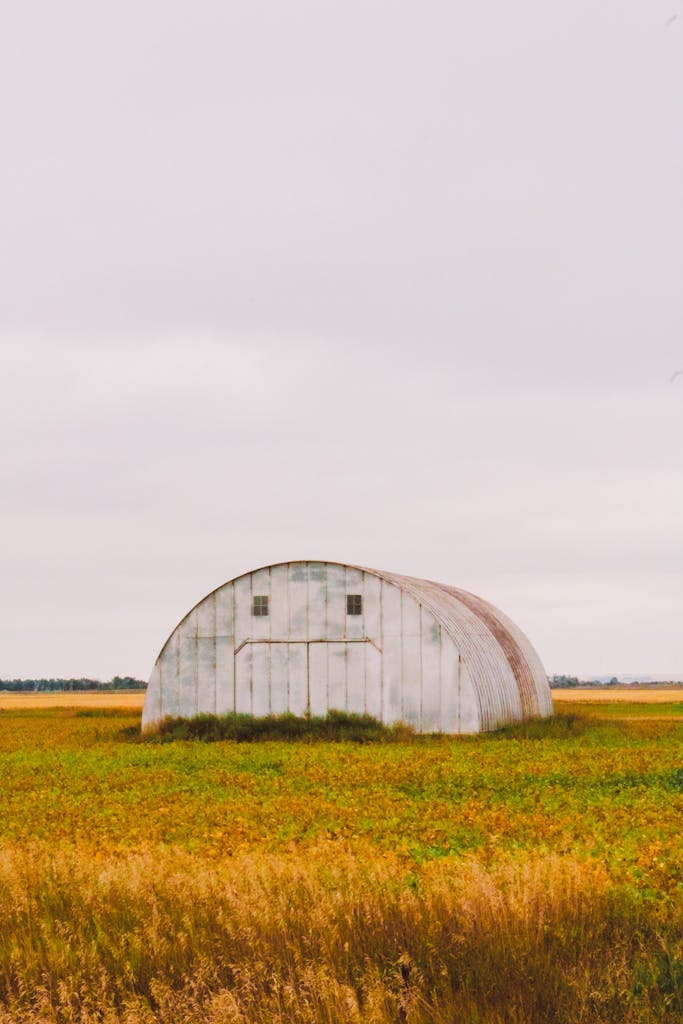
A hoop barn kit is a pre-engineered agricultural building system that typically includes a galvanized steel frame, curved roof arches, anchoring components, and a durable fabric or metal covering. These kits are designed for fast assembly and can be customized for different agricultural needs.
Hoop barn kits are also commonly called:
- Hoop building kits
- Fabric hoop barns
- Livestock hoop barns
- Agricultural hoop structures
- Tension fabric barns
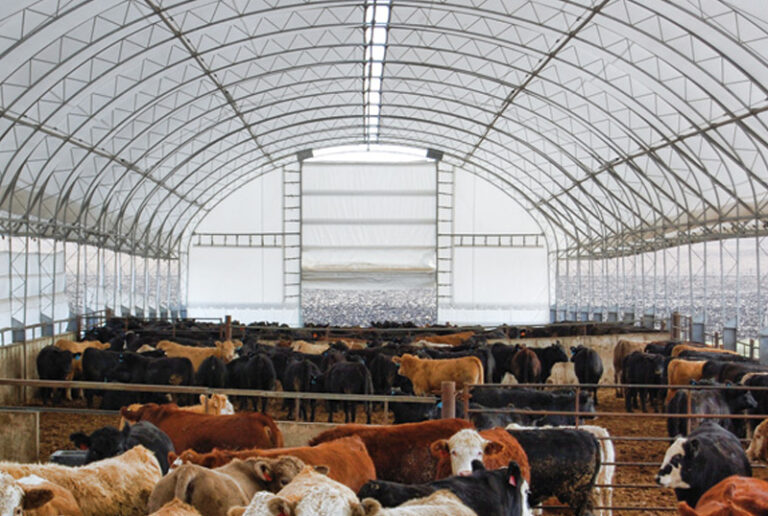
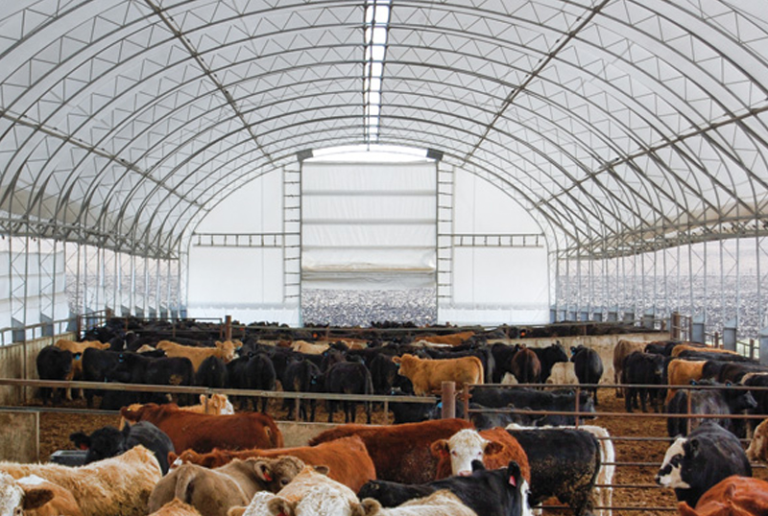
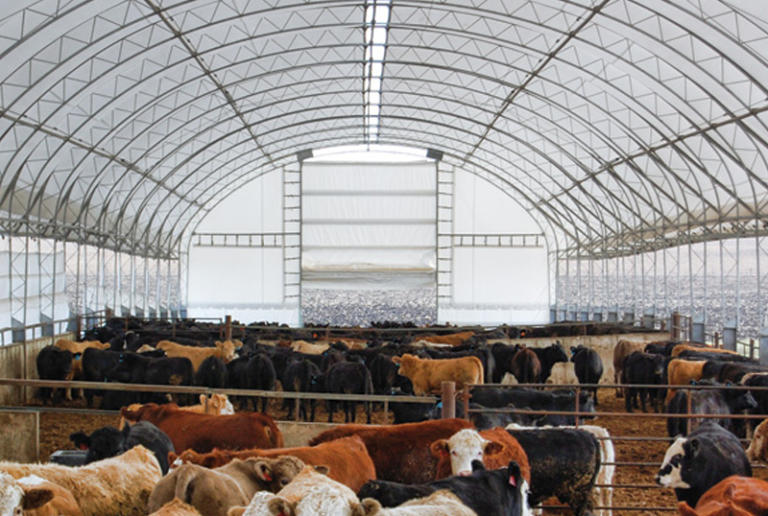
The defining feature of a hoop barn is its curved “hoop-style” roof structure, which creates a large open interior without requiring many support columns. This allows farmers to maximize usable space for livestock, machinery, feed, or storage. Most hoop building kits are available in multiple sizes and can be installed on gravel pads, concrete slabs, or compacted soil depending on the intended use.
How Hoop Barn Kits Work
Hoop barn kits use a series of steel arches connected together to form a strong structural frame. The frame is then covered with either heavy-duty polyethylene fabric or metal panels. The design is engineered to distribute weight evenly across the structure, helping it withstand wind, rain, and snow loads when properly installed.
Typical hoop barn kit components include:
- Galvanized steel tubing or trusses
- Fabric covers or metal roofing
- End wall framing
- Anchoring systems
- Bracing and tensioning hardware
- Ventilation openings
- Optional roll-up doors or sliding doors
Many fabric hoop barns also rely on natural airflow for ventilation, making them ideal for livestock housing where moisture and heat control are important.
Common Uses for Hoop Barn Kits
Hoop barn kits are highly versatile agricultural structures used across a wide range of farming operations.
- Livestock Shelters: Commonly used for goats, cattle, horses, sheep, poultry, and dairy animals, offering natural ventilation and improved comfort conditions.
- Hay Storage: Provides large, covered spaces that protect hay from moisture and weather damage at a lower cost than traditional barns.
- Equipment Storage: Ideal for storing tractors, trailers, and farm machinery, keeping them protected from sun, rain, and snow exposure.
- Riding Arenas: Larger hoop structures are often converted into indoor arenas for equestrian use.
- Feed Storage: Also used for grain, fertilizer, straw, and other bulk agricultural materials requiring dry, covered storage.
BenefitAdvantages of Hoop Barn Kits
- Low Maintenance: Galvanized steel frames resist corrosion, while UV-stabilized fabric covers are designed for long-term durability with minimal upkeep.
- Cost Efficiency: Hoop barn kits reduce overall construction costs by using fewer materials, less labor, and simpler foundations compared to traditional pole barns or steel buildings.
- Fast Installation: Most kits can be assembled in a few days with proper site preparation, making them significantly faster to build than conventional barn structures.
- Versatile Applications: Suitable for livestock housing, hay storage, machinery protection, and general agricultural use with customizable sizes and layouts.
- Natural Ventilation: Fabric-covered designs promote continuous airflow, helping regulate temperature, reduce humidity, and improve livestock comfort.
- Expandable Design: Many systems are modular, allowing additional sections to be added as farm operations grow over time.
Hoop Barn Kit Sizes and Customization Options
Hoop barn kits are designed to be highly flexible, allowing farmers and agricultural buyers to select structures that match their exact operational needs. Instead of a one-size-fits-all approach, these systems are engineered in modular formats that can scale from small utility shelters to large commercial agricultural buildings.
Standard Width Options
Most hoop barn kits are available in a range of widths to accommodate different uses and space requirements. Common sizes include 20 feet, 30 feet, 40 feet, 50 feet, and 60+ feet. Narrower widths are typically used for smaller livestock groups or equipment storage, while wider structures are preferred for large-scale farming operations, hay storage, or multi-purpose use.
Adjustable Length Design
One of the key advantages of hoop barn systems is their modular length design. Rather than being fixed in size, many structures can be extended in sections, allowing farmers to expand the building over time as their operations grow or storage needs increase.
Structural and Functional Customization
Beyond size, hoop barn kits can be customized with a variety of functional features depending on use-case requirements. These options may include open or fully enclosed end walls, roll-up or sliding doors for equipment access, ventilation systems for airflow control, and side curtain systems for seasonal climate adjustment. Additional upgrades can include insulation, concrete flooring, and integrated lighting systems for improved usability.
Choosing the Right Configuration
The ideal hoop barn size and configuration depends on several factors, including intended use, livestock capacity, equipment dimensions, and local climate conditions. Cold or high-wind regions often require more enclosed and reinforced designs, while warmer climates prioritize ventilation and airflow systems.
Overall, the flexibility of hoop barn kits makes them suitable for a wide range of agricultural applications, allowing users to balance cost, functionality, and long-term scalability.
How Much Do Hoop Barn Kits Cost?
Estimated Cost Breakdown
| Hoop Barn Size | Estimated Cost |
|---|---|
| Small livestock shelter | $5,000 – $15,000 |
| Medium agricultural barn | $15,000 – $40,000 |
| Large commercial hoop structure | $40,000+ |
Additional Costs to Consider
- Site preparation
- Concrete foundation
- Delivery charges
- Installation labor
- Permits and approvals
- Insulation upgrades
Fabric hoop barn kits are generally more affordable than traditional steel or pole barns because they require fewer materials and faster installation. Final pricing depends heavily on size, customization, and local site conditions, making proper planning essential before purchase.
Hoop Barn Kits vs Traditional Pole Barns
Farm owners often compare hoop building kits with pole barns before deciding which structure to build.
| Feature | Hoop Barn Kits | Pole Barns |
|---|---|---|
| Construction Speed | Faster | Moderate |
| Cost | Lower | Higher |
| Ventilation | Excellent | Moderate |
| Interior Space | Open layout | More support posts |
| Expansion | Easier | More complex |
| Maintenance | Lower | Moderate |
| Appearance | Modern agricultural | Traditional |
Both building types have advantages, but hoop barn kits are often preferred for fast and economical agricultural expansion.
Are Hoop Barn Kits Durable?
Modern agricultural hoop barn kits are engineered for durability in demanding farm environments, typically featuring galvanized steel frames for corrosion resistance, UV-stabilized fabric covers to prevent sun damage, and engineered wind and snow load ratings for structural stability in harsh weather. Corrosion-resistant hardware further enhances performance in wet or humid conditions. Overall durability depends on material quality, proper installation, climate conditions, and routine maintenance, making it essential to choose climate-rated hoop structures in regions with heavy snow or high winds to ensure long-term safety and reliability.
For additional technical guidance on agricultural building design, durability, and structural considerations, refer to the University of Kentucky Agricultural Engineering publication on farm structures.
What to Consider Before Buying a Hoop Barn Kit
Before purchasing a hoop barn kit, evaluate key factors that directly impact performance, durability, and long-term value. Since this is a long-term agricultural investment, making the right choice upfront helps avoid structural issues and unnecessary costs later.
- Climate and Weather: Your local climate determines the structural strength and material grade required for your hoop barn. Ensure the design is engineered for snow load capacity, wind resistance, rainfall drainage, and seasonal temperature variations. Harsh environments typically require reinforced steel frames and higher-grade tension fabric systems.
- Intended Use: The purpose of the structure directly influences design requirements. Livestock buildings require ventilation, moisture control, and animal-safe conditions, while storage buildings prioritize access, protection, and durability. Clearly defining use prevents overbuilding or under-specifying the structure.
- Site Preparation: Proper site preparation ensures structural stability and long-term performance. The installation area should be level, well-drained, and properly compacted using gravel or concrete depending on usage. The site must also allow unobstructed access for installation equipment and assembly.
- Permits and Zoning: Before installation, always verify local regulations including agricultural building permits, zoning restrictions, setback requirements, and wind/snow load compliance standards. Failure to comply can result in delays or legal issues.
- Fabric Quality: Fabric quality is one of the most important durability factors. High-quality covers should offer UV resistance, tear protection, waterproofing, and long-term flexibility without cracking. Lower-grade materials may reduce upfront cost but significantly increase replacement frequency.
- Warranty Coverage: A strong warranty reflects product reliability and engineering quality. Look for coverage on the steel frame, fabric lifespan, hardware components, and weather or corrosion protection. Comprehensive warranties provide long-term investment security.
Final Thoughts
Hoop barn kits offer a practical and affordable solution for modern agricultural operations. From livestock shelters and hay storage to equipment protection and commercial farming applications, these versatile structures continue to grow in popularity across the farming industry.
Their lower cost, fast installation, flexible sizing, and natural ventilation make them an attractive alternative to traditional barns for many farm owners.
Whether you operate a small homestead or a large agricultural business, investing in a high-quality hoop barn kit can provide long-term functionality while helping reduce construction costs.
Frequently Asked Questions
What is the lifespan of a hoop barn kit?
A well-maintained hoop barn kit can last several decades. Steel frames often last longer than fabric covers, which may eventually require replacement depending on weather exposure.
Are hoop barn kits cheaper than pole barns?
In many cases, yes. Hoop building kits usually cost less because they require fewer materials and faster installation.
Can hoop barns handle snow?
High-quality hoop barn kits engineered for snow loads can withstand winter conditions when properly installed.
Do hoop barn kits require permits?
Permit requirements vary by state and county. Always check local agricultural building regulations before construction.
Can I install a hoop barn kit myself?
Permit requirements vary by state and county. Always check local agricultural building regulations before construction.
Can I install a hoop barn kit myself?
Some smaller hoop building kits are designed for DIY installation, but larger commercial structures may require professional assembly.
Are fabric hoop barns durable?
Modern fabric covers are designed to resist UV rays, moisture, and tearing. Durability depends on material quality and maintenance.
What is the best hoop barn kit for livestock?
The best livestock hoop barn depends on your animals, climate, ventilation needs, and budget.
Ready to Invest in a Hoop Barn?
Whether you need a livestock shelter, hay storage building, or a large agricultural structure, choosing the right hoop barn can save your farm time, labor, and long-term construction costs. From installation planning to fabric replacement and selecting the best manufacturer, understanding your options is the first step toward building a durable and efficient farm structure.